
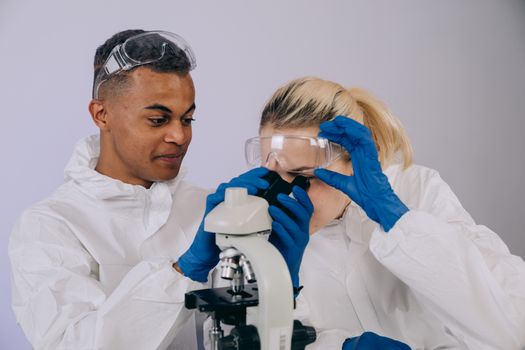
15 Scientists Whose 21st-Century Discoveries Are Reshaping Our Future
Copy this code to embed the top 10:
The 21st century has already delivered breakthroughs that once sounded like science fiction — from gene editing to gravitational waves. Behind these advances are researchers whose work is transforming medicine, technology, climate science, and our understanding of the universe. Here are 15 scientists whose discoveries and leadership continue to shape the modern world.
-
10
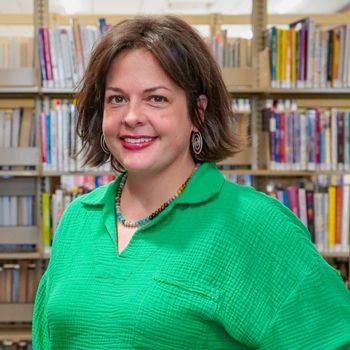
Jennifer Doudna
Co-developer of CRISPR-Cas9 gene-editing technology, Doudna revolutionized molecular biology and medicine. The tool allows scientists to precisely edit DNA, opening doors to treatments for genetic diseases and transforming biotech research worldwide. She shared the 2020 Nobel Prize in Chemistry for this breakthrough.
-
20
Emmanuelle Charpentier
Working alongside Jennifer Doudna, Charpentier co-developed CRISPR-Cas9, fundamentally changing genetic engineering. Her work has accelerated therapeutic research and agricultural innovation, making genome editing more accessible and efficient. She co-received the 2020 Nobel Prize in Chemistry.
-
30

Katalin Karikó
Karikó’s decades-long work on messenger RNA laid the foundation for mRNA vaccines. Her research enabled the rapid development of highly effective COVID-19 vaccines, demonstrating a new platform for combating infectious diseases and potentially cancer. She was awarded the 2023 Nobel Prize in Physiology or Medicine.
-
40

Drew Weissman
Partnering with Katalin Karikó, Weissman helped discover how to modify mRNA to avoid harmful immune reactions. This breakthrough made mRNA vaccines viable and scalable, transforming global public health responses. He co-received the 2023 Nobel Prize in Physiology or Medicine.
-
50

Tu Youyou
Although her discovery of artemisinin began in the 20th century, its 21st-century global deployment has saved millions of lives from malaria. Tu’s work continues to influence infectious disease treatment strategies worldwide. She received the 2015 Nobel Prize in Physiology or Medicine.
-
Advertisement
-
60
Kip Thorne
A leading figure in the LIGO collaboration, Thorne helped confirm the existence of gravitational waves in 2015, validating a major prediction of Einstein’s general relativity. The discovery opened a new era of astronomy, allowing scientists to observe cosmic events through spacetime ripples. He shared the 2017 Nobel Prize in Physics.
-
70
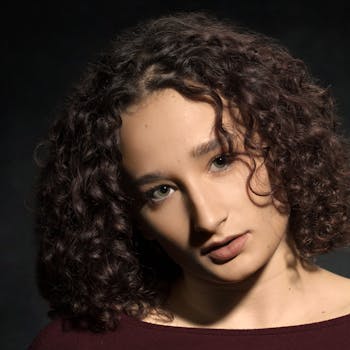
Frances Arnold
Arnold pioneered directed evolution, a method for engineering enzymes with new or enhanced functions. Her work has advanced sustainable chemistry, pharmaceuticals, and biofuels by harnessing nature’s evolutionary processes. She won the 2018 Nobel Prize in Chemistry.
-
80

Demis Hassabis
As co-founder and CEO of DeepMind, Hassabis has driven major advances in artificial intelligence. DeepMind’s AlphaFold system solved a decades-old challenge by accurately predicting protein structures, dramatically accelerating biological research. His work bridges AI and fundamental science.
-
90
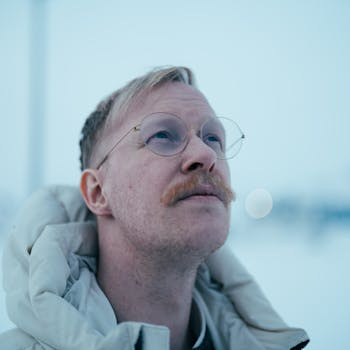
Svante Pääbo
Pääbo founded the field of paleogenomics by sequencing the Neanderthal genome. His research reshaped our understanding of human evolution and revealed interbreeding between archaic and modern humans. He received the 2022 Nobel Prize in Physiology or Medicine.
-
100
James P. Allison
Allison pioneered immune checkpoint therapy, a breakthrough approach that empowers the immune system to attack cancer. His work led to life-saving immunotherapies now used worldwide. He shared the 2018 Nobel Prize in Physiology or Medicine.
-
Advertisement
-
110
May-Britt Moser
Moser co-discovered grid cells in the brain, revealing a neural coordinate system that helps animals and humans navigate space. This discovery transformed neuroscience’s understanding of spatial memory and cognition. She shared the 2014 Nobel Prize in Physiology or Medicine.
-
120
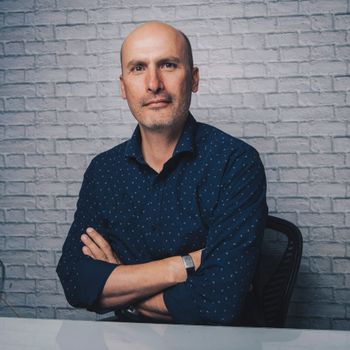
Didier Queloz
Queloz co-discovered the first exoplanet orbiting a sun-like star, launching a new era in planetary science. In the 21st century, his work has driven the search for habitable worlds beyond our solar system. He received the 2019 Nobel Prize in Physics.
-
130

John Jumper
As a key leader behind DeepMind’s AlphaFold, Jumper helped solve the protein-folding problem that had challenged scientists for decades. The breakthrough has vast implications for drug discovery, enzyme design, and understanding disease mechanisms.
-
140

Shinya Yamanaka
Yamanaka discovered how to reprogram adult cells into induced pluripotent stem cells (iPSCs), enabling regenerative medicine without using embryonic stem cells. His work continues to influence therapies for degenerative diseases and personalized medicine. He won the 2012 Nobel Prize in Physiology or Medicine.
-
150

Greta Thunberg
Though not a laboratory scientist, Thunberg has profoundly influenced climate science communication and policy discourse. By amplifying scientific consensus on climate change to global audiences, she has shaped environmental awareness and political action in the 21st century.
Also ranked in
- 14 Scientists Whose Breakthroughs Are Defining the Future of Humanity 12 shared
- 14 Visionary Scientists Shaping the World in the 21st Century 12 shared
- 14 21st-Century Scientists Whose Work Is Transforming Everyday Life 12 shared
- 15 Pioneering Scientists Driving Global Change in the 21st Century 11 shared
- 15 Scientists Shaping the 21st Century Through Breakthrough Discovery 11 shared
More Lists You Might Like

Frequently Asked Questions
How were these scientists selected?
Why are Nobel Prize winners heavily represented?
Are all influential scientists included here?
Why include someone like Greta Thunberg among scientists?
Missing something?
Suggest an addition. Submissions are reviewed before appearing on the list.