

4 Types of Workforce Discrimination
Copy this code to embed the top 10:
Despite it being illegal, workplace discrimination continues to occur far too often.
If you suffer from discrimination at work, you will feel stressed and anxious. Every day you face work becomes a fearful experience. Your performance will suffer, and your feelings will begin affecting your personal life outside your workplace, which can lead to other issues including health problems and an overall reduction in your quality of life.
When you are feeling like that each day at work, you can forget about promotions and pay rises, your performance and attitude will not justify them.
EXAMPLES OF DISCRIMINAITON
Discrimination can occur at any point in the employment process and includes:
-
10

Not getting hired.
Refusing to hire a qualified candidate based on protected characteristics is a classic form of employment discrimination. Hiring decisions must be based on merit, not bias.
-
20

Missing promotions.
Denying promotions due to race, gender, age, or other protected traits unlawfully limits career advancement. Promotion decisions must be grounded in performance and qualifications.
-
30

Receiving inappropriate or rude comments.
Inappropriate or rude comments tied to protected characteristics can create a hostile work environment. Verbal harassment is a recognized form of workplace discrimination.
-
40

Being dismissed solely because of your membership in a protected class.
Terminating someone solely because they belong to a protected class is a direct violation of anti-discrimination laws. Employment decisions cannot be based on identity.
-
50

Being denied specific benefits or compensation.
Withholding pay, bonuses, or benefits for discriminatory reasons undermines equal employment standards. Compensation must be administered fairly and without bias.
-
Advertisement
-
60

Employee Benefits Discrimination
Employee benefits discrimination occurs when health coverage, leave, or retirement benefits are distributed unequally based on protected traits. Equal access to benefits is a core workplace right.
-
70

Being overlooked for a job based only on your characteristics.
Overlooking a candidate because of personal characteristics rather than qualifications exemplifies discriminatory hiring practices. Employment decisions must be objective and job-related.
-
80

Preferring a candidate based only on personal characteristics.
Favoring one candidate over another based solely on protected characteristics constitutes unlawful preferential treatment. Merit-based evaluation is required in fair hiring processes.
-
90
Being dismissed based solely on your characteristics.
Dismissal based purely on identity rather than performance is a clear instance of wrongful termination. Anti-discrimination laws prohibit such biased actions.
-
100
Rude or inappropriate comments based on your characteristics.
Derogatory remarks tied to personal characteristics contribute to a hostile or abusive workplace. Such conduct is widely recognized as discriminatory harassment.
-
Advertisement
-
110

Missing extra and desirable shifts without a valid reason for doing so.
Denying desirable shifts for discriminatory reasons affects income and career opportunities. Work assignments must be distributed fairly and without bias.
-
120

Showing favoritism during restructuring instead of promoting on merit
Restructuring decisions that favor certain groups over others without merit-based justification may signal systemic discrimination. Organizational changes must follow objective criteria.
-
130

Age
Age is a legally protected characteristic in many jurisdictions, shielding workers from biased hiring, promotion, or termination decisions. Age-based stereotypes cannot lawfully drive employment actions.
-
140

Country of origin
Country of origin is a protected trait under anti-discrimination laws. Employment decisions cannot lawfully be based on nationality or ancestry.
-
150

Physical, mental, psychiatric, or intellectual disabilities
Disabilities—whether physical, mental, or intellectual—are protected under workplace laws requiring reasonable accommodation. Discrimination based on disability status is unlawful.
-
Advertisement
-
160

Parental responsibilities
Parental responsibilities may be protected in certain jurisdictions, preventing biased treatment of caregivers. Employers cannot penalize workers for family-related obligations.
-
170

Gender identity
Gender identity is protected under many modern employment laws. Discriminatory treatment based on gender expression or identity is unlawful.
-
180

Relationship status
Relationship or marital status can be a protected category, guarding against unfair workplace decisions. Employment actions must not hinge on personal relationship status.
-
190
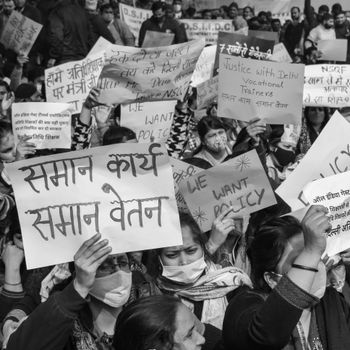
Political opinions
Political opinions are protected in some jurisdictions, preventing retaliation for lawful beliefs or affiliations. Employers must avoid adverse action tied to political views where protections apply.
-
200

Pregnancy or potential pregnancy
Pregnancy discrimination involves adverse treatment due to pregnancy or potential pregnancy. Laws require equal treatment and often mandate reasonable accommodations.
-
Advertisement
-
210

Race and/or color
Race and color are central protected characteristics under civil rights laws. Any employment decision influenced by racial bias is unlawful.
-
220

Your religion
Religion is a protected category, requiring employers to avoid discriminatory treatment and to provide reasonable accommodations. Bias based on faith violates workplace equality standards.
-
230

Being male or female
Sex-based discrimination, whether against men or women, is prohibited under employment law. Equal treatment regardless of sex is a foundational workplace principle.
-
240

Your sexual orientation
Sexual orientation is protected in many jurisdictions, shielding employees from biased treatment. Employment decisions must not be influenced by whom someone is attracted to.
-
250
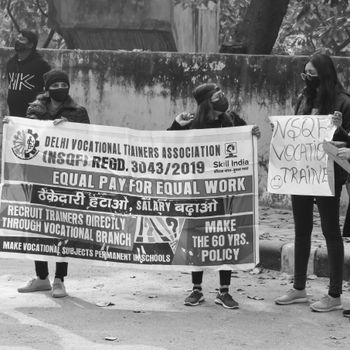
Trade union activity
Trade union activity is often legally protected, preventing retaliation for organizing or participating in collective bargaining. Penalizing workers for union involvement constitutes unlawful discrimination.
More Lists You Might Like






Frequently Asked Questions
What are the most common types of workforce discrimination?
How can I tell if I’ve experienced workplace discrimination?
Is denying parental or disability leave considered discrimination?
How is the ranking of these types of workforce discrimination determined?
Missing something?
Suggest an addition. Submissions are reviewed before appearing on the list.