

15 National Parks Where Nature Feels Almost Unreal
Copy this code to embed the top 10:
Some national parks impress with sheer scale, while others feel so visually strange and dramatic that they barely seem part of the same planet. From volcanic valleys and turquoise lakes to towering granite walls and wildlife-packed wetlands, these parks offer landscapes that stay vivid in memory long after the trip ends.
-
10

Torres del Paine National Park
Chile’s Patagonian masterpiece combines jagged granite towers, electric-blue glaciers, and wind-shaped grasslands in one compact region. The contrast between icy peaks and roaming guanacos gives the park a cinematic quality that few places can match.
-
20

Banff National Park
Banff’s glacier-fed lakes, including the famously turquoise Lake Louise and Moraine Lake, have become icons of Canadian wilderness. Beyond the postcard scenery, the park delivers remarkable biodiversity and dramatic Rocky Mountain terrain.
-
30
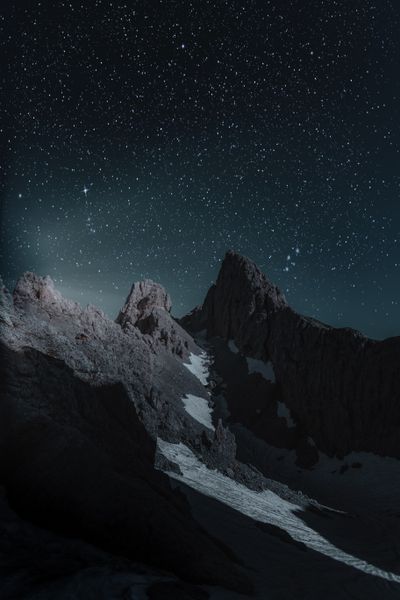
Serengeti National Park
The Serengeti is one of the greatest wildlife landscapes on Earth, famous for the annual migration of millions of wildebeest and zebra. Its endless savannas and predator-rich ecosystems create an experience that feels both ancient and immense.
-
40
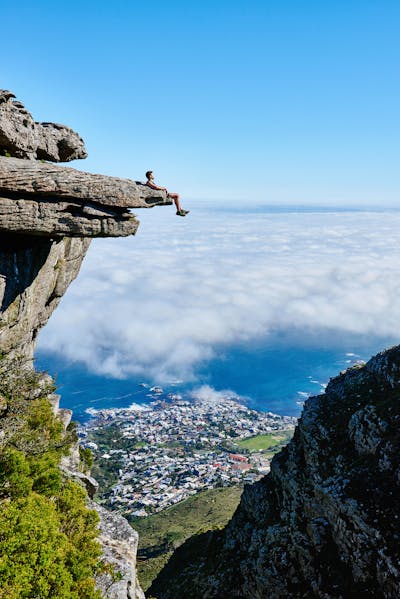
Fiordland National Park
New Zealand’s Fiordland features towering cliffs, rainforest-covered fjords, and waterfalls that plunge directly into dark waters. Milford Sound alone is often described as one of the most spectacular natural settings in the world.
-
50
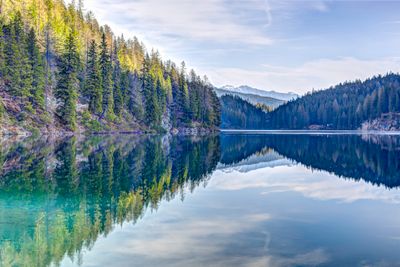
Yellowstone National Park
Yellowstone’s geothermal features make it unlike any other major park, with erupting geysers, rainbow-colored hot springs, and steaming valleys. It also supports one of North America’s most important populations of free-roaming wildlife.
-
Advertisement
-
60
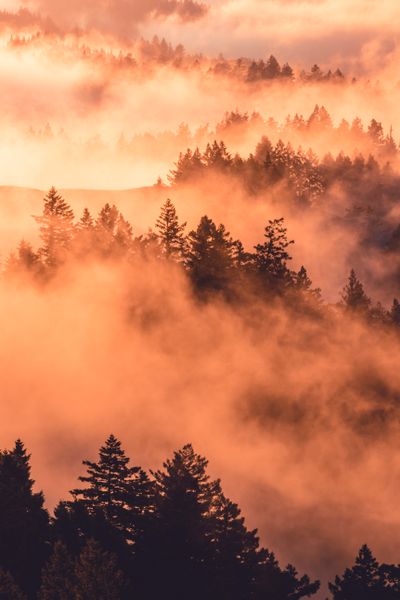
Plitvice Lakes National Park
Croatia’s Plitvice Lakes is famous for its chain of terraced lakes connected by cascading waterfalls and wooden walkways. The constantly shifting mineral-rich water creates vivid shades of blue and green throughout the park.
-
70
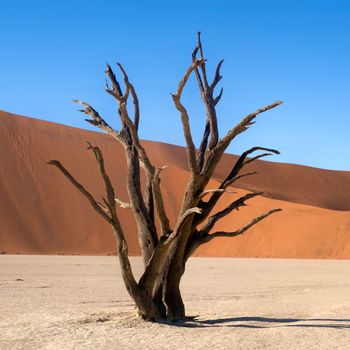
Namib-Naukluft National Park
Home to some of the tallest sand dunes on Earth, Namibia’s Namib-Naukluft delivers stark desert beauty on a massive scale. The haunting dead camel thorn trees of Deadvlei are among the most photographed landscapes in Africa.
-
80

Yosemite National Park
Yosemite combines towering granite cliffs, giant sequoias, and powerful waterfalls in a valley that transformed modern conservation. Landmarks like El Capitan and Half Dome remain legendary among climbers and photographers alike.
-
90
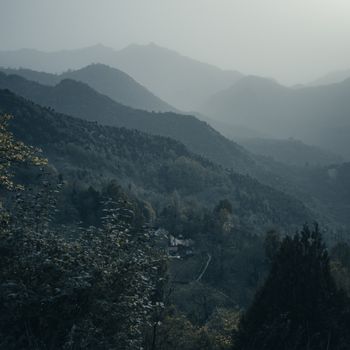
Jiuzhaigou Valley National Park
Located in China’s Sichuan province, Jiuzhaigou is celebrated for crystal-clear alpine lakes, colorful forests, and multi-tiered waterfalls. Seasonal changes dramatically alter the scenery, especially during autumn foliage.
-
100
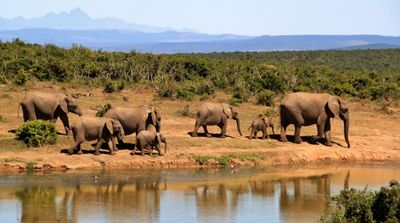
Kruger National Park
South Africa’s Kruger National Park offers one of the world’s premier safari experiences, with strong populations of lions, elephants, rhinos, and leopards. Its enormous size allows for diverse habitats ranging from bushveld to river systems.
-
Advertisement
-
110

Aoraki / Mount Cook National Park
This alpine park in New Zealand contains the country’s tallest mountain alongside glaciers, snowy peaks, and striking hiking routes. The clear night skies have also made the region internationally recognized for stargazing.
-
120

Grand Canyon National Park
The Grand Canyon reveals nearly two billion years of geological history through its immense layered rock formations. Sunrise and sunset dramatically transform the canyon walls with changing bands of color and shadow.
-
130
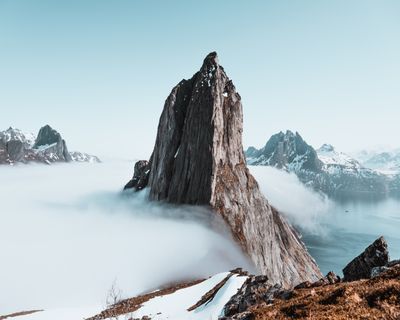
Sagarmatha National Park
Centered around Mount Everest, Nepal’s Sagarmatha National Park delivers towering Himalayan landscapes and Sherpa cultural heritage. Suspension bridges, glacier valleys, and high-altitude monasteries add depth beyond the famous summit.
-
140

Iguazú National Park
Straddling Argentina and Brazil, Iguazú protects one of the largest waterfall systems on Earth. Dense subtropical rainforest surrounds hundreds of cascades, creating constant mist, rainbows, and thunderous soundscapes.
-
150
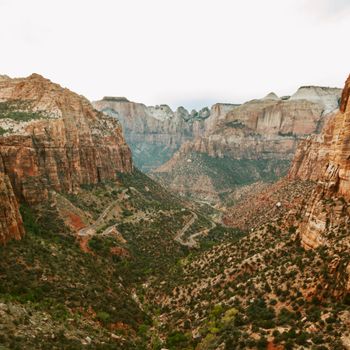
Zion National Park
Zion’s steep red-rock canyons and narrow river passages make it one of the most visually dramatic parks in the United States. Trails like Angels Landing and The Narrows have become legendary for adventurous hikers.
Also ranked in
- 15 National Parks Where Wildlife and Scenery Create Unforgettable Encounters 13 shared
- 15 Jaw-Dropping National Parks Where Nature Feels Almost Unreal 12 shared
- 12 Most Breathtaking National Parks Around the World 11 shared
- 13 National Parks That Showcase Earth’s Most Diverse Natural Beauty 11 shared
- 13 National Parks Where Nature Shows Off Its Most Dramatic Landscapes 11 shared
More Lists You Might Like




Frequently Asked Questions
What makes a national park visually unique compared to other protected areas?
Which national parks are best for wildlife viewing?
Are these parks suitable for first-time international travelers?
What is the best time of year to visit major national parks?
Missing something?
Suggest an addition. Submissions are reviewed before appearing on the list.