
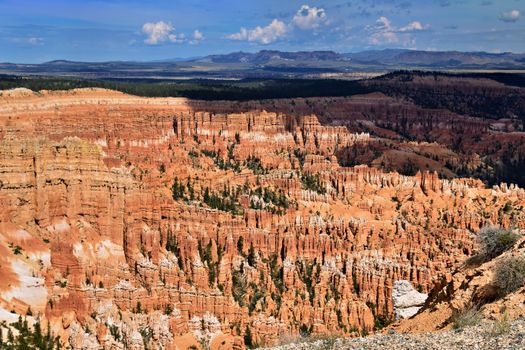
13 National Parks Where Nature Shows Off Its Most Dramatic Landscapes
Copy this code to embed the top 10:
Some national parks are beautiful. Others feel almost unreal — places where towering peaks, vivid colors, extreme climates, and unique ecosystems collide in unforgettable ways. These parks stand out not just for their scenery, but for the sheer drama and diversity etched into their landscapes.
-
10

Torres del Paine National Park
Located in Chilean Patagonia, Torres del Paine is a masterpiece of granite spires, turquoise glacial lakes, and wind-swept steppe. The iconic Cuernos del Paine and the dramatic Towers rise abruptly above the plains, creating one of the most photogenic skylines in the world. Its constantly shifting light and weather add to the park’s raw, cinematic intensity.
-
20

Banff National Park
Canada’s first national park is a showcase of the Canadian Rockies at their most radiant. Lake Louise and Moraine Lake glow with surreal blue hues caused by glacial rock flour, set against jagged snowcapped peaks. Banff’s blend of alpine lakes, vast forests, and towering mountains delivers year-round visual drama.
-
30
Serengeti National Park
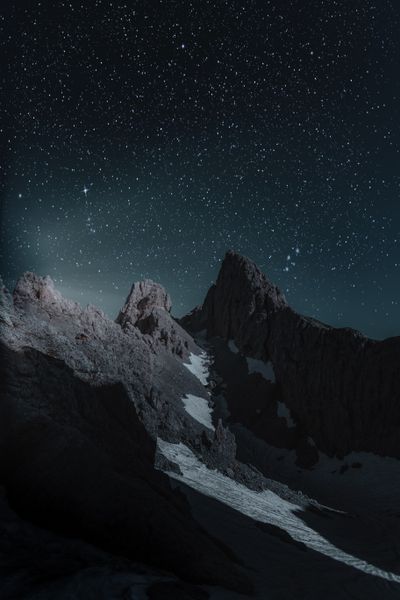
Tanzania’s Serengeti pairs sweeping golden plains with one of the greatest wildlife spectacles on Earth. The annual Great Migration sees millions of wildebeest and zebras cross crocodile-filled rivers under vast African skies. Its beauty lies in scale — endless horizons punctuated by acacia trees and dramatic thunderstorms.
-
40

Zhangjiajie National Forest Park
China’s Zhangjiajie is famous for its towering sandstone pillars that inspired the floating mountains in the film "Avatar." Mist often weaves between the vertical columns, creating an otherworldly atmosphere. The sheer height and density of these formations make the landscape feel almost fantastical.
-
50
Fiordland National Park
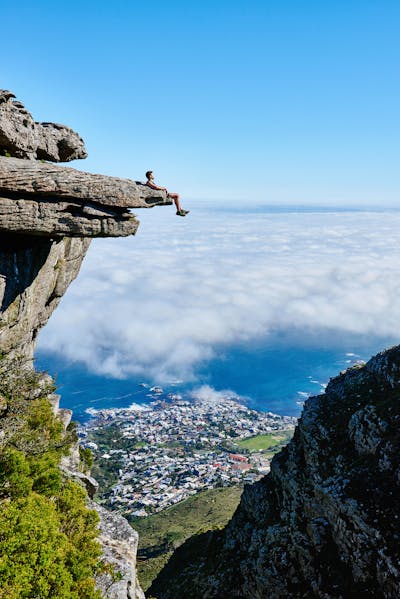
Home to Milford Sound and Doubtful Sound, New Zealand’s Fiordland features glacier-carved fjords that plunge dramatically into dark waters. Waterfalls cascade down near-vertical cliffs, especially after heavy rain. The combination of rainforest, peaks, and mirror-like inlets makes it one of the Southern Hemisphere’s most striking landscapes.
-
Advertisement
-
60

Grand Canyon National Park
The Grand Canyon is a geological epic stretching 277 miles across Arizona. Layered bands of red, orange, and purple rock reveal nearly two billion years of Earth’s history. At sunrise and sunset, shifting light transforms the canyon walls into a living canvas of color.
-
70
Namib-Naukluft National Park
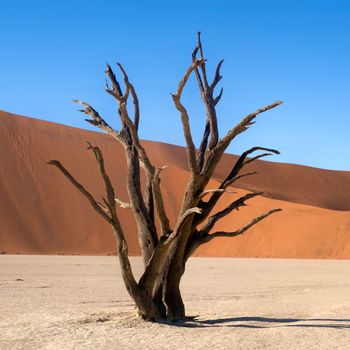
Namibia’s Namib-Naukluft contains some of the tallest sand dunes on Earth, including the famous Dune 45 and Big Daddy. The stark contrast between rust-red dunes, white clay pans like Deadvlei, and deep blue skies creates surreal visual minimalism. It’s one of the oldest deserts on the planet — and one of the most visually arresting.
-
80
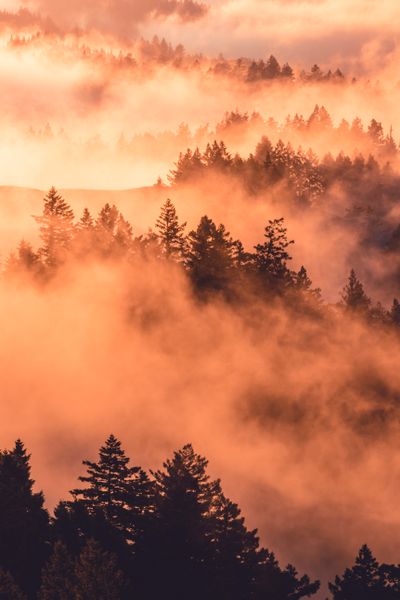
Plitvice Lakes National Park
Croatia’s Plitvice Lakes is a cascading chain of 16 terraced lakes connected by countless waterfalls. Mineral-rich waters create constantly shifting shades of turquoise and emerald. Wooden boardwalks wind through the park, offering intimate views of this intricate water-and-forest landscape.
-
90
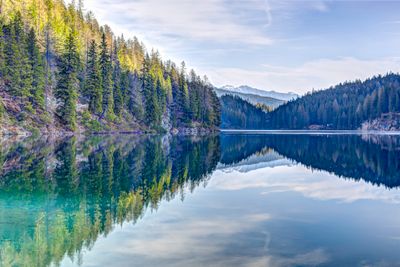
Yellowstone National Park
Yellowstone’s beauty is powered by geothermal force. Geysers like Old Faithful, vividly colored hot springs such as Grand Prismatic, and dramatic canyons make it visually unique. The park’s mix of volcanic features, rivers, and roaming wildlife creates an unmatched sense of natural spectacle.
-
100
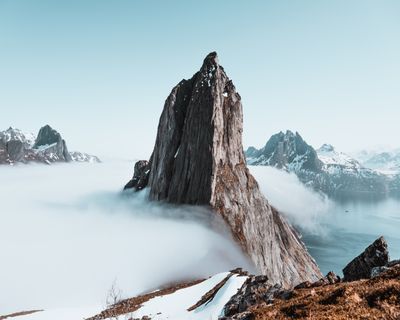
Sagarmatha National Park
Home to Mount Everest, Sagarmatha National Park in Nepal delivers Himalayan grandeur at its peak. Jagged summits, deep valleys, and hanging glaciers define the skyline. The combination of extreme altitude and Sherpa cultural heritage adds depth to its already breathtaking scenery.
-
Advertisement
-
110

Iguazú National Park
Straddling Argentina and Brazil, Iguazú National Park centers around one of the world’s largest waterfall systems. Nearly 275 individual falls thunder through lush subtropical rainforest. The sheer volume of water and the surrounding biodiversity make it a multisensory natural wonder.
-
120

Yosemite National Park
Yosemite Valley’s granite icons — El Capitan and Half Dome — rise dramatically above meadows and forests. Seasonal waterfalls like Yosemite Falls plunge from staggering heights in spring. The park’s combination of monumental rock faces and serene valley floors creates striking visual contrast.
-
130
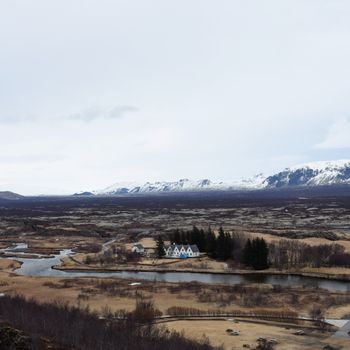
Vatnajökull National Park
Iceland’s largest national park features Europe’s biggest glacier alongside volcanoes, ice caves, and black sand plains. Fire and ice coexist here, with subglacial eruptions shaping the terrain over centuries. The stark contrasts between bright ice, dark lava fields, and roaring waterfalls make it unforgettable.
Also ranked in
- 12 Most Breathtaking National Parks Around the World 11 shared
- 13 National Parks That Showcase Earth’s Most Diverse Natural Beauty 11 shared
- 13 Most Breathtaking National Parks Around the World for Dramatic Landscapes 11 shared
- 14 National Parks So Stunning They Look Straight Out of a Dream 11 shared
- 15 National Parks Around the World That Showcase Nature’s Most Awe-Inspiring Masterpieces 11 shared
More Lists You Might Like




Frequently Asked Questions
What makes a national park visually dramatic?
Are these parks accessible to casual travelers?
When is the best time to visit scenic national parks?
How can visitors help preserve these landscapes?
Missing something?
Suggest an addition. Submissions are reviewed before appearing on the list.