

13 Epic Long-Distance Hikes Around the World That Redefine Adventure
Copy this code to embed the top 10:
For hikers who crave more than a scenic day trip, long-distance trails offer immersion, endurance, and life-changing perspective. These routes stretch across mountains, deserts, coastlines, and cultures—demanding preparation while delivering unmatched rewards. Here are 13 of the most extraordinary multi-day and thru-hiking experiences on Earth.
-
10
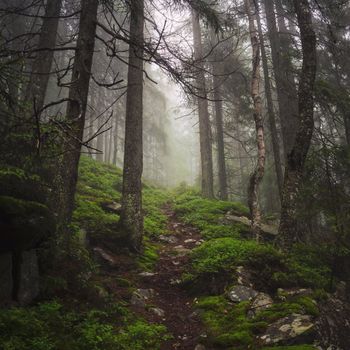
Appalachian Trail
Stretching roughly 2,190 miles (3,524 km) from Georgia to Maine, the Appalachian Trail is one of the world’s most iconic thru-hikes. Its well-established shelter system and trail community make it uniquely social despite its physical demands. Completing a thru-hike typically takes five to seven months.
-
20

Pacific Crest Trail
Running 2,650 miles (4,265 km) from Mexico to Canada, the Pacific Crest Trail traverses California, Oregon, and Washington. Hikers cross deserts, the Sierra Nevada, and the Cascade Range in one continuous journey. Its dramatic elevation changes and snowbound passes test even seasoned backpackers.
-
30

Te Araroa
Covering about 3,000 km (1,864 miles) from the northern tip to the southern edge of New Zealand, Te Araroa showcases beaches, volcanoes, farmland, and alpine terrain. The cultural richness of Māori heritage adds depth to the physical challenge. Most thru-hikers take three to five months to complete it.
-
40
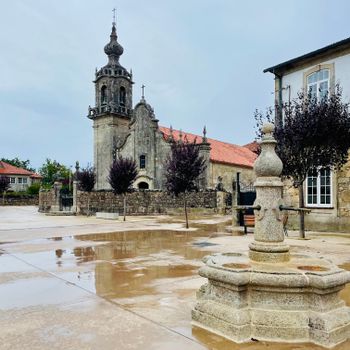
Camino de Santiago (Camino Francés)
While less wilderness-focused, the 800 km (500-mile) Camino Francés across northern Spain blends pilgrimage history with scenic countryside. Well-marked routes and plentiful albergues make it accessible to a wide range of hikers. Its cultural and spiritual resonance draws hundreds of thousands each year.
-
50

The Great Himalaya Trail
Spanning approximately 1,700 km (1,056 miles) across Nepal, the Great Himalaya Trail links remote valleys and high mountain passes. It offers unparalleled views of eight of the world’s 14 highest peaks. The combination of altitude, remoteness, and logistics makes it one of the planet’s toughest treks.
-
Advertisement
-
60
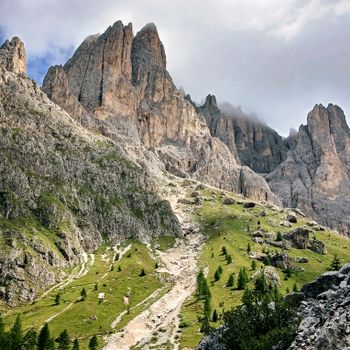
Via Alpina
Crossing eight Alpine countries over roughly 5,000 km (3,100 miles) of interconnected trails, the Via Alpina is a transnational masterpiece. Hikers experience diverse languages, cuisines, and architectural styles alongside dramatic mountain scenery. Sections can be tackled individually or as a multi-month odyssey.
-
70
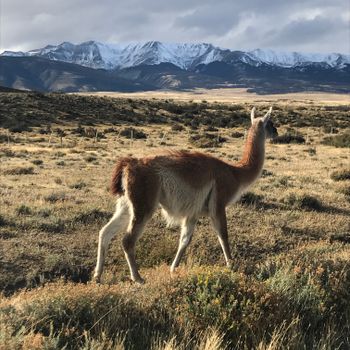
Torres del Paine 'O' Circuit
Located in Chilean Patagonia, the full 'O' Circuit loops about 130 km (81 miles) around the Paine Massif. Fierce winds, glaciers, and granite spires create a raw and unforgettable landscape. Though shorter than continental trails, its intensity and remoteness elevate it into elite territory.
-
80

Overland Track
Tasmania’s 65 km (40-mile) Overland Track packs remarkable ecological diversity into under a week of hiking. Cradle Mountain and Lake St Clair anchor a route known for alpine moorlands and endemic wildlife. Strict permit controls help preserve its fragile environment.
-
90
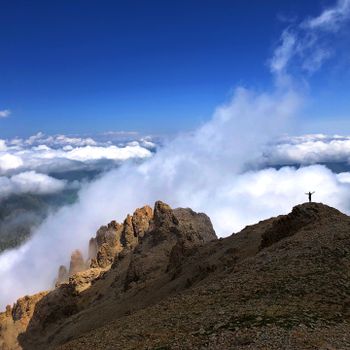
GR20
Corsica’s GR20 is often labeled Europe’s toughest long-distance trail. Spanning about 180 km (112 miles), it demands scrambling skills and endurance across rugged granite ridgelines. Well-placed refuges support hikers tackling its two-week challenge.
-
100
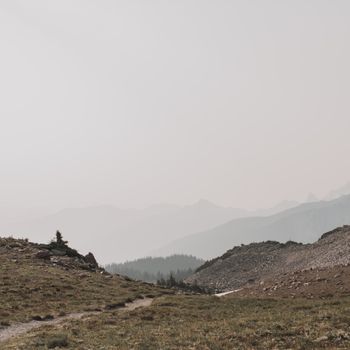
Continental Divide Trail
Following the Rocky Mountains for roughly 3,100 miles (4,988 km) from Mexico to Canada, the Continental Divide Trail is wilder and less defined than its American counterparts. Navigation skills and self-sufficiency are critical. Its vast open landscapes and solitude are unmatched.
-
Advertisement
-
110
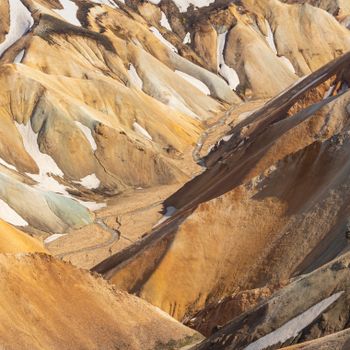
Laugavegur Trail
Iceland’s 55 km (34-mile) Laugavegur Trail delivers otherworldly scenery in a compact journey. Hikers pass rhyolite mountains, geothermal vents, black sand deserts, and glacial valleys. It’s frequently combined with the Fimmvörðuháls pass for a longer, more demanding trek.
-
120

West Coast Trail
This 75 km (47-mile) route along Vancouver Island’s rugged coastline blends rainforest, ladders, cable cars, and tidal crossings. Originally established as a lifesaving path for shipwreck survivors, it now challenges hikers with mud, roots, and unpredictable Pacific weather.
-
130
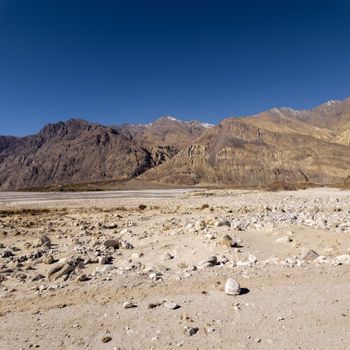
Annapurna Circuit
Circling Nepal’s Annapurna Massif, the classic route spans roughly 160–230 km (100–145 miles), depending on road sections and side trips. Thorong La Pass at 5,416 meters (17,769 feet) is the dramatic high point. Teahouse accommodations allow trekkers to travel without carrying extensive supplies.
Also ranked in
- 14 Epic Long-Distance Hikes Around the World That Redefine Adventure 9 shared
- 14 Legendary Hiking Trails Around the World Every Adventurer Should Experience 8 shared
- 13 Epic Long-Distance Hiking Trails That Redefine Adventure 8 shared
- 13 Epic Long-Distance Hikes Across Six Continents for Serious Adventurers 7 shared
- 15 Bucket-List Hiking Trails Around the World That Reward Every Step 6 shared
More Lists You Might Like




Frequently Asked Questions
What qualifies as a long-distance hike?
How long does it take to thru-hike a major trail like the Appalachian or Pacific Crest Trail?
Do you need technical climbing skills for these hikes?
What is the best time of year to attempt a long-distance hike?
Missing something?
Suggest an addition. Submissions are reviewed before appearing on the list.