
13 National Parks That Showcase Earth’s Most Diverse Natural Beauty
Copy this code to embed the top 10:
From coral reefs teeming with life to deserts sculpted by wind and glaciers that glow blue under polar skies, the world’s national parks protect nature at its most extraordinary. This list highlights parks that stand out not just for beauty, but for the sheer diversity of landscapes and ecosystems they contain. Each destination offers a distinct window into the planet’s natural artistry.
-
10
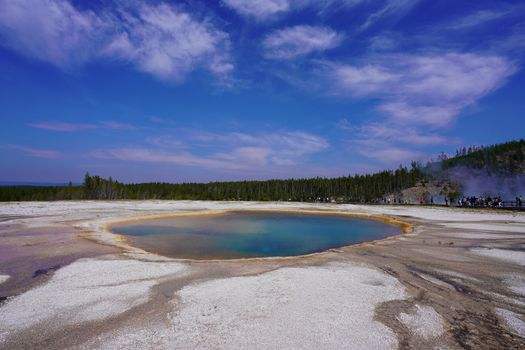
Yellowstone National Park
Spanning Wyoming, Montana, and Idaho, Yellowstone is a geothermal wonderland of geysers, hot springs, and bubbling mud pots. Its dramatic landscapes are matched by abundant wildlife, including bison, wolves, and grizzly bears. The park’s mix of forests, canyons, rivers, and geothermal features makes it one of the most visually and ecologically diverse places on Earth.
-
20

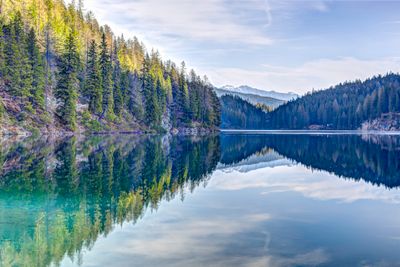
Banff National Park
Located in the Canadian Rockies, Banff is famed for its turquoise glacial lakes like Lake Louise and Moraine Lake. Towering peaks, vast icefields, and dense pine forests create postcard-perfect alpine scenery. The park’s dramatic elevation changes produce a variety of habitats within a relatively compact area.
-
30

Serengeti National Park
Tanzania’s Serengeti is synonymous with sweeping savannas and the Great Migration of wildebeest and zebra. Its open plains, acacia-dotted horizons, and predator-rich ecosystems deliver raw, cinematic beauty. The seasonal movement of wildlife transforms the landscape throughout the year.
-
40

Torres del Paine National Park
In Chilean Patagonia, jagged granite peaks rise dramatically above glaciers, turquoise lakes, and windswept grasslands. The park’s iconic Paine Massif dominates the skyline, while guanacos and condors roam freely. Rapidly changing weather adds a dynamic, ever-shifting character to the scenery.
-
50
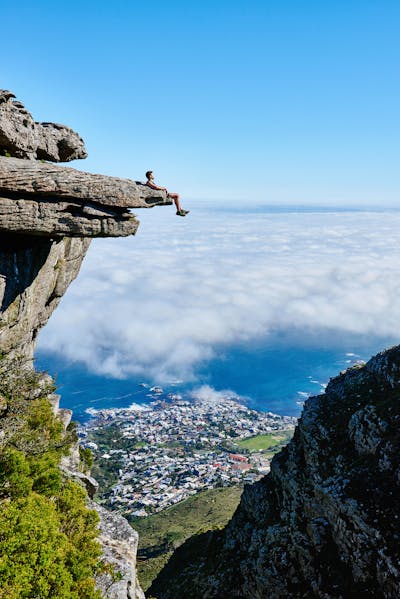
Fiordland National Park
New Zealand’s largest national park is a realm of deep fjords, cascading waterfalls, and rainforest-clad mountains. Milford Sound and Doubtful Sound are particularly renowned for their steep cliffs plunging into dark waters. High rainfall sustains lush vegetation and dramatic waterfalls year-round.
-
Advertisement
-
60
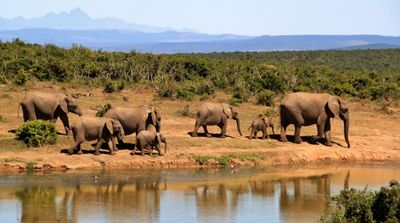
Kruger National Park
One of Africa’s largest game reserves, South Africa’s Kruger blends savanna, river systems, and woodland habitats. It’s one of the best places to see the Big Five—lion, leopard, rhinoceros, elephant, and buffalo. The park’s varied ecosystems support an impressive diversity of plant and animal life.
-
70
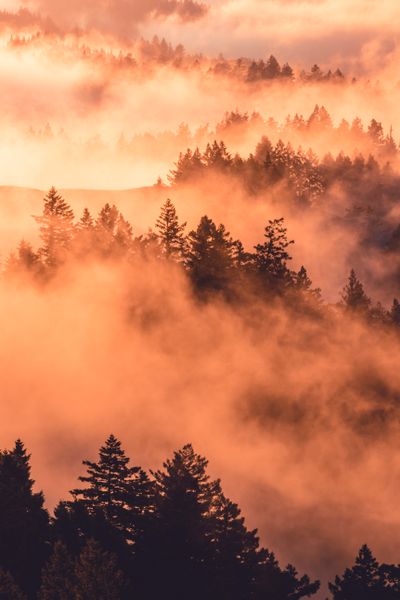
Plitvice Lakes National Park
Croatia’s Plitvice Lakes is a masterpiece of cascading waterfalls and interconnected turquoise lakes. Wooden walkways allow visitors to wander directly above crystal-clear waters. The park’s unique karst landscape continually reshapes the travertine barriers that form its iconic cascades.
-
80

Zhangjiajie National Forest Park
Famous for its towering sandstone pillars, Zhangjiajie in China looks almost otherworldly. Mist frequently wraps around the vertical rock formations, enhancing their dramatic appearance. The surreal landscape famously inspired the floating mountains in the film "Avatar."
-
90

Grand Canyon National Park
Arizona’s Grand Canyon reveals nearly two billion years of geological history in its layered rock walls. Carved by the Colorado River, its immense scale and shifting colors at sunrise and sunset are breathtaking. The park also encompasses forests and desert ecosystems along its rims.
-
100

Great Barrier Reef Marine Park
Off the coast of Queensland, Australia, this marine park protects the world’s largest coral reef system. Its underwater landscapes are as vivid as any mountain range, with coral gardens and abundant marine species. The reef’s scale and biodiversity make it a natural wonder of global significance.
-
Advertisement
-
110
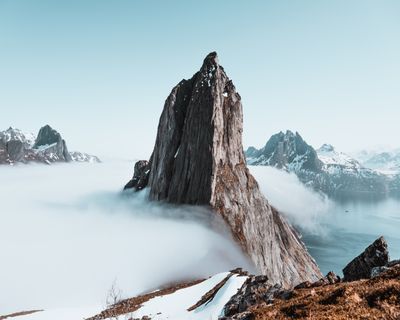
Sagarmatha National Park
Home to Mount Everest, Sagarmatha in Nepal features some of the highest peaks on Earth. Glaciers, deep valleys, and Sherpa villages add cultural depth to its alpine grandeur. The extreme altitude creates stark, dramatic scenery unlike anywhere else.
-
120

Iguazú National Park
Straddling Argentina and Brazil, Iguazú National Park centers around one of the largest waterfall systems in the world. Hundreds of cascades thunder through subtropical rainforest, creating constant mist and rainbows. The surrounding jungle teems with diverse bird and animal life.
-
130
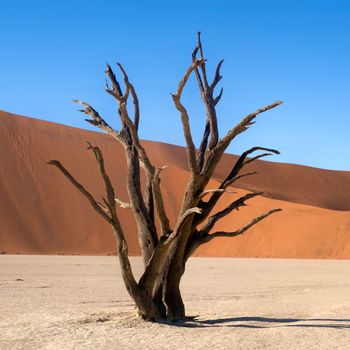
Namib-Naukluft National Park
Namibia’s Namib-Naukluft is home to some of the tallest sand dunes on Earth, particularly in Sossusvlei. The contrast between red dunes, white salt pans, and deep blue skies is striking. Despite its harsh desert climate, the park supports uniquely adapted wildlife and plants.
Also ranked in
- 12 Most Breathtaking National Parks Around the World 11 shared
- 13 National Parks Where Nature Shows Off Its Most Dramatic Landscapes 11 shared
- 15 National Parks Where Nature Feels Almost Unreal 11 shared
- 15 Jaw-Dropping National Parks Where Nature Feels Almost Unreal 10 shared
- 15 National Parks Around the World That Showcase Nature’s Most Awe-Inspiring Masterpieces 10 shared
More Lists You Might Like



Frequently Asked Questions
What makes a national park particularly beautiful?
Are marine parks considered national parks?
When is the best time to visit these parks?
How do national parks contribute to conservation?
Missing something?
Suggest an addition. Submissions are reviewed before appearing on the list.