

14 Legendary Treks Every Serious Hiker Should Experience Once
Copy this code to embed the top 10:
For passionate hikers, certain trails transcend recreation and become life milestones. These routes challenge endurance, reward persistence, and reveal landscapes that feel almost mythic in scale. From high-altitude mountain corridors to coastal cliffs and sacred pilgrim paths, these treks represent the pinnacle of global hiking.
-
10
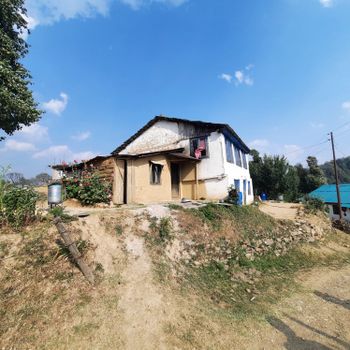
Everest Base Camp Trek (Nepal)
Few hikes carry the symbolic weight of trekking to the foot of the world’s highest mountain. The journey through Sherpa villages, suspension bridges, and stark Himalayan valleys combines cultural immersion with dramatic alpine scenery. At 5,364 meters, the altitude alone makes this a formidable and unforgettable achievement.
-
20

Inca Trail to Machu Picchu (Peru)
This classic Andean route blends archaeology and mountain wilderness in a way few trails can. Hikers pass cloud forests, Incan ruins, and high passes before arriving at Machu Picchu through the Sun Gate at dawn. Limited permits preserve both the path’s integrity and its sense of exclusivity.
-
30
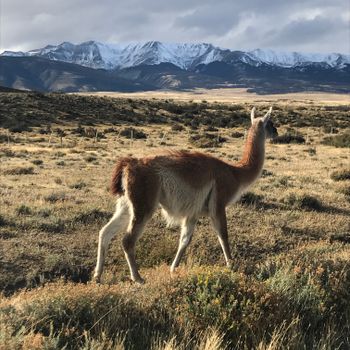
Torres del Paine W Trek (Chile)
Patagonia’s iconic W-shaped route showcases granite towers, electric-blue glaciers, and sweeping steppe landscapes. The weather is famously unpredictable, adding drama to every viewpoint. Despite its popularity, the raw scale of the scenery feels wild and untamed.
-
40
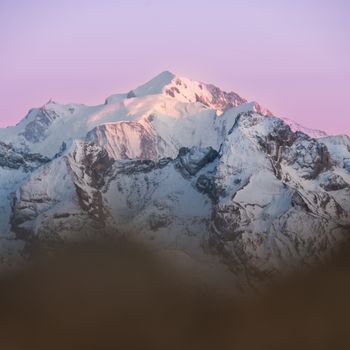
Tour du Mont Blanc (France, Italy, Switzerland)
Circling Western Europe’s highest peak, this multi-country trek delivers classic alpine beauty and cultural variety. Hikers move between rustic mountain huts and postcard-perfect valleys. The combination of accessibility and epic scale makes it one of the world’s most beloved long-distance routes.
-
50

Pacific Crest Trail (United States)
Stretching roughly 2,650 miles from Mexico to Canada, the PCT is a test of endurance across deserts, Sierra granite, and Pacific Northwest forests. Thru-hikers often spend five months completing the journey. Its scale and diversity define the modern American long-distance hiking dream.
-
Advertisement
-
60
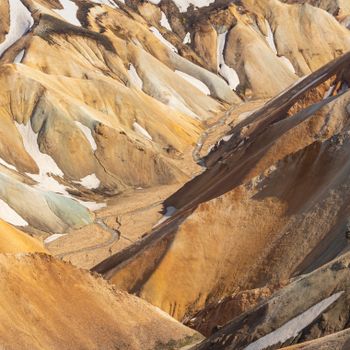
Laugavegur Trail (Iceland)
This relatively short but visually explosive trail crosses rhyolite mountains, black sand deserts, and steaming geothermal valleys. Each day feels like traversing a different planet. Iceland’s dramatic weather shifts heighten the otherworldly atmosphere.
-
70
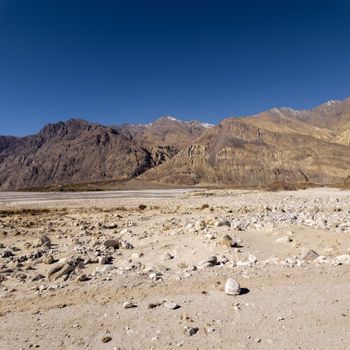
Annapurna Circuit (Nepal)
Encircling the Annapurna massif, this trek transitions from subtropical forests to high-altitude desert near Thorong La Pass. The cultural diversity along the route—from Hindu villages to Tibetan-influenced communities—adds depth to the journey. Its variety remains unmatched despite road development in some sections.
-
80

GR20 (Corsica, France)
Widely considered Europe’s toughest long-distance trail, the GR20 demands scrambling skills and stamina. Jagged ridgelines and exposed granite sections challenge even experienced hikers. Those who complete it earn serious bragging rights within the trekking community.
-
90
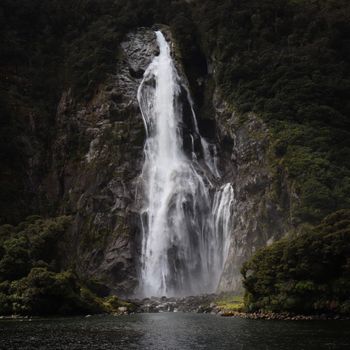
Milford Track (New Zealand)
Often called “the finest walk in the world,” this Fiordland route delivers waterfalls, rainforest, and glacier-carved valleys. The trail’s hut system and strict visitor limits keep the experience intimate. Sutherland Falls, one of the tallest waterfalls in the country, is a highlight.
-
100

Kilimanjaro Machame Route (Tanzania)
Africa’s highest peak is a trekking summit rather than a technical climb, making it uniquely accessible. The Machame Route offers diverse ecosystems, from rainforest to alpine desert. Reaching Uhuru Peak at 5,895 meters is both physically demanding and deeply symbolic.
-
Advertisement
-
110
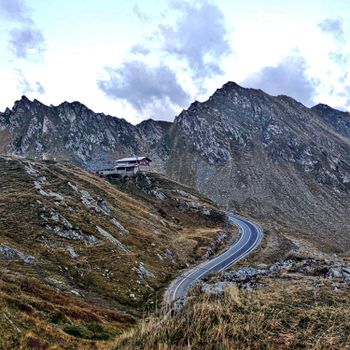
The Haute Route (France to Switzerland)
Connecting Chamonix to Zermatt, this alpine route is famed among ski tourers and summer hikers alike. It passes beneath towering peaks, including the Matterhorn. The combination of rugged terrain and classic mountain towns gives it timeless appeal.
-
120

The Overland Track (Australia)
Tasmania’s premier multi-day hike traverses Cradle Mountain–Lake St Clair National Park. Hikers encounter glacial lakes, button grass plains, and temperate rainforest. Strict permit systems protect its fragile ecosystems and maintain a wilderness feel.
-
130

The Snowman Trek (Bhutan)
Often cited as one of the world’s hardest treks, this high-altitude Himalayan route crosses multiple passes above 5,000 meters. Its remoteness and length demand exceptional preparation. The reward is rare access to isolated Bhutanese culture and pristine mountain landscapes.
-
140

West Coast Trail (Canada)
Located on Vancouver Island, this rugged coastal trek features ladders, cable cars, and tidal crossings. Originally a lifesaving route for shipwreck survivors, it remains physically demanding. Wild beaches and dense rainforest create a uniquely Pacific experience.
Also ranked in
More Lists You Might Like




Frequently Asked Questions
What is the most difficult trek on this list?
Do I need technical climbing skills for these hikes?
How long do these treks typically take?
When is the best time to attempt high-altitude treks?
Missing something?
Suggest an addition. Submissions are reviewed before appearing on the list.