

12 Legendary Hiking Routes Where Nature and Culture Collide
Copy this code to embed the top 10:
Some hiking trails offer more than scenery — they carry stories, traditions, and centuries of human history underfoot. These routes combine jaw-dropping landscapes with deep cultural or spiritual meaning, turning every step into something larger than the journey itself. From ancient pilgrimages to remote mountain crossings, these are the world’s most legendary paths where nature and heritage meet.
-
10
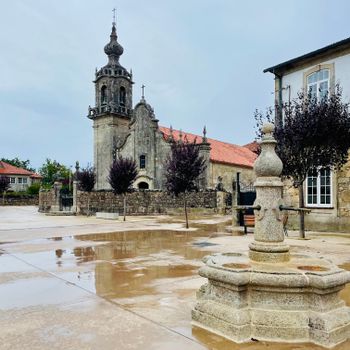
Camino de Santiago (Spain)
More than a hike, the Camino is a centuries-old pilgrimage culminating at Santiago de Compostela. Winding through medieval villages, vineyards, and rolling countryside, it blends physical challenge with spiritual reflection. Its extensive network of routes and vibrant pilgrim culture make it one of the most socially and historically rich trails on Earth.
-
20

Inca Trail to Machu Picchu (Peru)
This iconic Andean trek follows original Inca stone pathways through cloud forests and alpine passes. The journey builds anticipation before arriving at Machu Picchu through the Sun Gate at sunrise. Strict permit limits preserve both the archaeological sites and the fragile mountain ecosystem.
-
30

Kumano Kodo (Japan)
A UNESCO-listed network of pilgrimage routes on Japan’s Kii Peninsula, the Kumano Kodo threads through cedar forests to ancient Shinto shrines. For over 1,000 years, emperors and commoners alike have walked these sacred paths. Traditional ryokan stays and onsens deepen the cultural immersion.
-
40
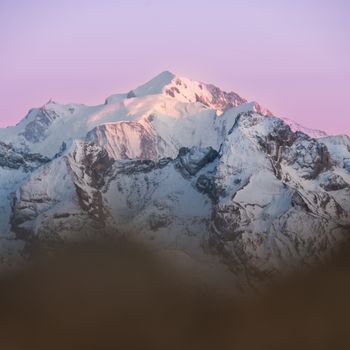
Tour du Mont Blanc (France, Italy, Switzerland)
Circling Western Europe’s highest peak, this alpine classic crosses three countries in roughly 170 kilometers. Hikers encounter glaciers, wildflower meadows, and dramatic mountain passes. The blend of French, Italian, and Swiss mountain culture makes each stage distinct.
-
50
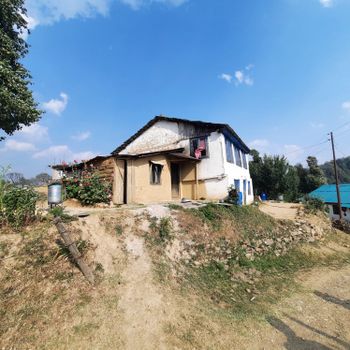
Everest Base Camp Trek (Nepal)
This Himalayan journey offers close-up views of the world’s tallest mountain while passing through Sherpa villages and Buddhist monasteries. Suspension bridges, prayer flags, and high-altitude landscapes define the experience. It’s as much a cultural exploration of the Khumbu region as it is a physical challenge.
-
Advertisement
-
60
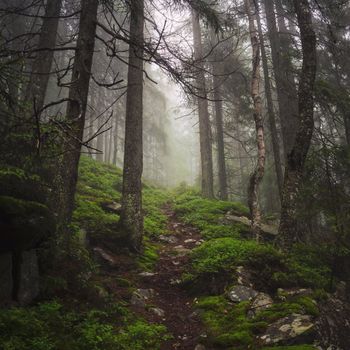
Appalachian Trail (United States)
Stretching over 2,190 miles from Georgia to Maine, the Appalachian Trail is one of the longest continuous footpaths in the world. Its thru-hiker community, trail shelters, and volunteer culture have created a uniquely American hiking tradition. The terrain ranges from gentle forests to rugged mountain ridges.
-
70
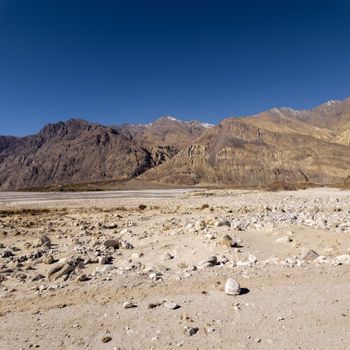
Annapurna Circuit (Nepal)
Encircling the Annapurna Massif, this trek traverses subtropical forests, arid high-altitude deserts, and the formidable Thorong La Pass. The cultural diversity is remarkable, shifting from Hindu lowlands to Tibetan-influenced villages. Improved roads have altered parts of the route, but it remains a benchmark Himalayan adventure.
-
80
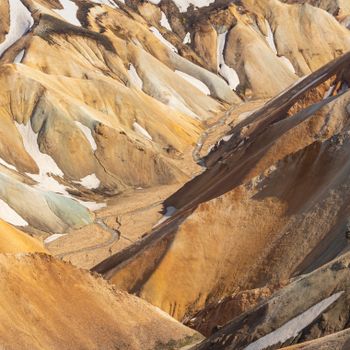
Laugavegur Trail (Iceland)
In just 55 kilometers, this trail showcases Iceland’s otherworldly terrain: rhyolite mountains, black sand deserts, steaming vents, and glaciers. The stark contrasts make it one of the most geologically diverse short treks in the world. Well-placed huts allow access despite unpredictable Arctic weather.
-
90

West Highland Way (Scotland)
Scotland’s best-known long-distance trail runs from Milngavie to Fort William through lochs, moorlands, and the dramatic Glencoe valley. It offers a sweeping introduction to Scottish Highlands scenery and history. Cozy inns and centuries-old clan landscapes add narrative depth to the walk.
-
100
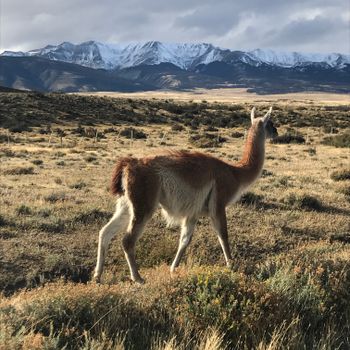
Torres del Paine W Trek (Chile)
Patagonia’s W Trek packs granite spires, turquoise lakes, and the immense Grey Glacier into a relatively compact route. Fierce winds and rapidly changing weather are part of the adventure. Its raw, untamed atmosphere defines South American trekking.
-
Advertisement
-
110

GR20 (Corsica, France)
Often called Europe’s toughest long-distance trail, the GR20 cuts across Corsica’s mountainous spine. Scrambling sections, exposed ridgelines, and rugged terrain demand strong fitness and experience. In return, hikers get dramatic Mediterranean views and a fierce sense of accomplishment.
-
120

Overland Track (Tasmania, Australia)
Traversing Tasmania’s Cradle Mountain–Lake St Clair National Park, this trail highlights ancient rainforests and glacially carved landscapes. Strict permit systems protect its fragile ecosystems and limit overcrowding. Wildlife encounters, from wombats to wallabies, add a distinctly Australian character.
Also ranked in
More Lists You Might Like




Frequently Asked Questions
What makes a hiking trail 'legendary' rather than just scenic?
Which of these trails is best for beginners?
Do these hikes require permits?
When is the best time to tackle these global trails?
Missing something?
Suggest an addition. Submissions are reviewed before appearing on the list.