

15 Global Street Food Capitals That Define Flavor on the Go
Copy this code to embed the top 10:
Some cities reveal their true character not in fine-dining restaurants, but on bustling sidewalks and night markets. Street food captures local history, migration, and everyday life in a single bite. From sizzling grills to steaming noodle carts, these cities have turned casual curbside eating into a world-class culinary experience.
-
10

Bangkok, Thailand
Bangkok’s street food scene is legendary, from fragrant pad thai and fiery som tam to rich bowls of boat noodles. Neighborhoods like Yaowarat (Chinatown) transform into open-air feasts after dark. The sheer variety, affordability, and depth of flavor make it the global benchmark for street dining.
-
20

Mexico City, Mexico
Tacos al pastor sliced from vertical spits, tlacoyos stuffed with beans, and steaming tamales define the capital’s streets. Each neighborhood has its own specialties rooted in centuries-old culinary traditions. The city’s diversity and mastery of corn-based cuisine secure its elite status.
-
30

ISTANBUL, Turkey
Straddling Europe and Asia, Istanbul serves up simit rings, döner kebabs, balik ekmek (fish sandwiches), and stuffed mussels along the Bosphorus. The city’s street food reflects Ottoman heritage and regional Turkish influences. It’s a crossroads of flavor in every sense.
-
40

Hanoi, Vietnam
Low plastic stools and steaming bowls of pho characterize Hanoi’s vibrant sidewalks. Bun cha, banh mi, and fresh spring rolls showcase the city’s balance of herbs, heat, and umami. Street vendors often specialize in a single perfected dish passed down through generations.
-
50
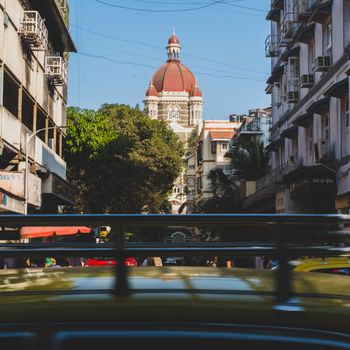
Mumbai, India
Mumbai’s chaat culture delivers explosive flavors—spicy, sweet, tangy, and crunchy in one bite. Vada pav, pav bhaji, and bhel puri fuel millions daily. The city’s street food reflects both local Maharashtrian roots and waves of migration from across India.
-
Advertisement
-
60

Singapore
Singapore’s hawker centers elevate street food to UNESCO-recognized cultural heritage status. Hainanese chicken rice, laksa, and chili crab are served in impeccably organized food complexes. The fusion of Chinese, Malay, and Indian influences creates remarkable culinary harmony.
-
70

Marrakech, Morocco
Jemaa el-Fnaa square comes alive at night with grills smoking and tagines simmering. Snail soup, kefta skewers, and freshly squeezed orange juice define the sensory overload. The medina’s street fare reflects North African spices and Berber traditions.
-
80
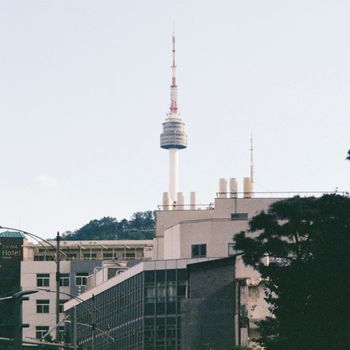
Seoul, South Korea
From tteokbokki in spicy gochujang sauce to crispy hotteok pancakes, Seoul’s night markets are electric. Gwangjang Market is especially famous for mung bean pancakes and mayak kimbap. The city’s street food blends comfort, heat, and innovation.
-
90
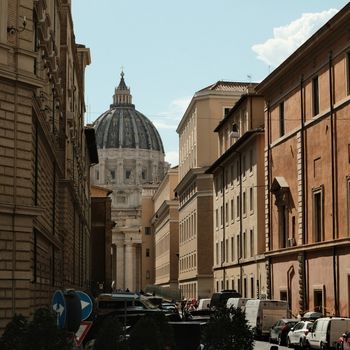
Palermo, Italy
Sicily’s capital offers one of Europe’s most intense street food cultures. Arancine, panelle (chickpea fritters), and spleen sandwiches reflect layers of Arab, Spanish, and Italian influence. Palermo’s markets feel raw, authentic, and deeply rooted in history.
-
100
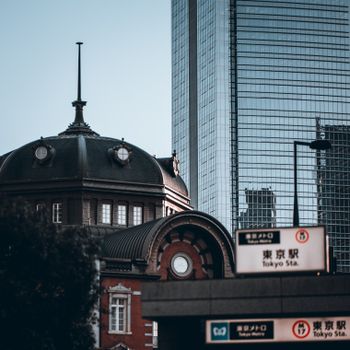
Tokyo, Japan
While Japan is known for meticulous dining, Tokyo’s street offerings shine at festivals and food alleys like Omoide Yokocho. Takoyaki, yakitori, and taiyaki are crafted with precision. Even quick bites reflect Japan’s dedication to quality and technique.
-
Advertisement
-
110

Lima, Peru
Lima’s streets showcase anticuchos (grilled beef heart skewers), picarones, and ceviche-inspired snacks. Indigenous ingredients meet Spanish and Asian influences in everyday fare. The capital’s culinary prestige extends far beyond its acclaimed restaurants.
-
120

Hong Kong
Fish balls, egg waffles, and siu mai dominate Hong Kong’s bustling neighborhoods. Dai pai dongs and market stalls preserve Cantonese street traditions amid a modern skyline. The city excels at bold flavors packed into portable bites.
-
130

Cairo, Egypt
Koshari—a hearty mix of rice, lentils, pasta, and spicy tomato sauce—is Cairo’s ultimate street staple. Ta’ameya (Egyptian falafel) and shawarma wraps are everyday essentials. The affordability and heartiness make it central to daily life.
-
140
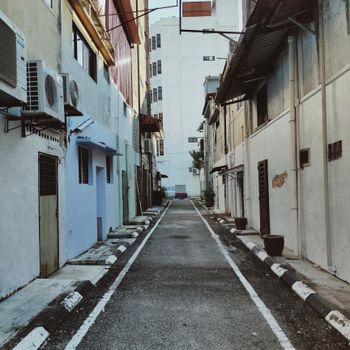
Penang, Malaysia
George Town is famed for char kway teow, asam laksa, and roti canai sold at humble roadside stalls. Malay, Chinese, and Indian culinary traditions collide in unforgettable ways. Many consider it one of Southeast Asia’s most concentrated food hubs.
-
150

Los Angeles, USA
From taco trucks to bacon-wrapped hot dogs and Korean-Mexican fusion, LA’s street food reflects its immigrant communities. The city helped popularize gourmet food trucks globally. Innovation and cultural blending define its curbside cuisine.
Also ranked in
- 14 Global Street Food Capitals Where Every Bite Tells a Story 11 shared
- 14 Global Street Food Capitals That Redefine How the World Eats 10 shared
- 15 Street Food Cities Where Every Bite Tells a Story 10 shared
- 13 Cities Where Street Food Is a Way of Life, Not Just a Meal 10 shared
- 14 Street Food Cities Where Every Corner Tells a Culinary Story 10 shared
More Lists You Might Like




Frequently Asked Questions
What makes a city a true street food capital?
Is street food generally safe to eat while traveling?
Are street food scenes disappearing due to modernization?
How can travelers respectfully experience local street food?
Missing something?
Suggest an addition. Submissions are reviewed before appearing on the list.