

14 National Parks With the Most Breathtaking Scenic Diversity on Earth
Copy this code to embed the top 10:
Some national parks are defined by a single iconic view, but others feel like entire worlds packed into one protected landscape. From glaciers and deserts to rainforests and coral reefs, these parks stand out for offering astonishing variety alongside unforgettable beauty.
-
10
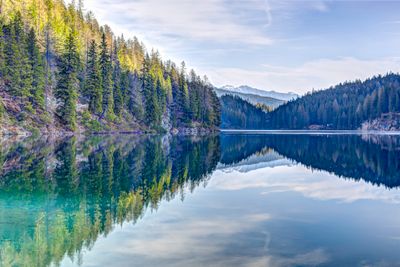
Yellowstone National Park
Yellowstone combines geothermal basins, alpine lakes, deep canyons, forests, and sprawling wildlife habitats in one massive ecosystem. The park’s geysers and hot springs create surreal landscapes unlike anywhere else on Earth.
-
20

Banff National Park
Banff delivers dramatic Rocky Mountain scenery with turquoise glacial lakes, snow-covered peaks, and dense evergreen forests. Seasonal changes transform the park from a summer hiking paradise into a world-famous winter destination.
-
30

Torres del Paine National Park
Located in Chilean Patagonia, this park packs glaciers, jagged granite towers, grasslands, and bright blue lakes into a relatively compact area. The constantly shifting weather adds an extra layer of drama to the scenery.
-
40
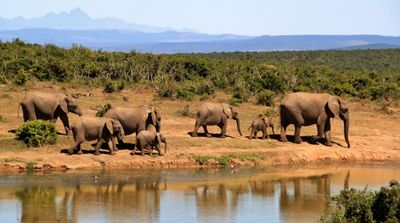
Kruger National Park
Kruger is one of Africa’s greatest wildlife destinations, but its appeal goes beyond safari viewing. River systems, savannas, woodlands, and ancient archaeological sites make it one of the continent’s most varied national parks.
-
50

Fiordland National Park
New Zealand’s Fiordland features towering cliffs, deep fjords, waterfalls, rainforests, and remote alpine regions. Milford Sound alone has become one of the most photographed natural landmarks in the Southern Hemisphere.
-
Advertisement
-
60
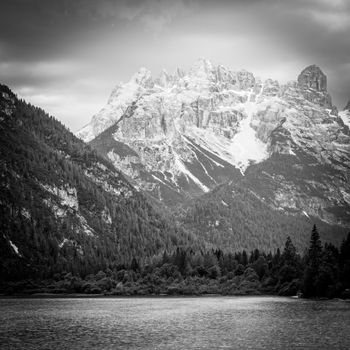
Grand Teton National Park
The sharp rise of the Teton Range above open valleys creates one of North America’s most striking mountain landscapes. Glacial lakes and abundant wildlife add depth to a park already famous for its dramatic skyline.
-
70
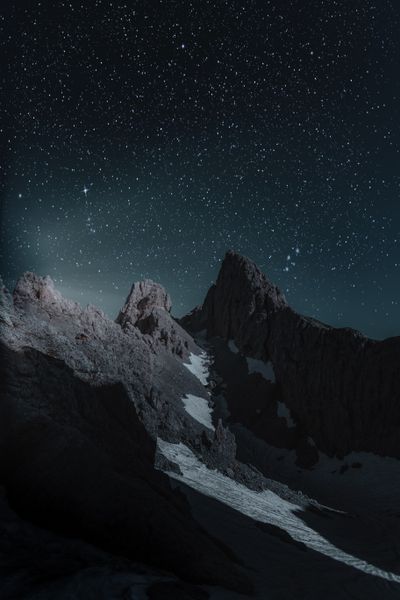
Serengeti National Park
The Serengeti’s sweeping plains host the world’s most famous wildlife migration, involving millions of wildebeest and zebras. Beyond the migration, the park’s ecosystems support lions, cheetahs, elephants, and hundreds of bird species.
-
80
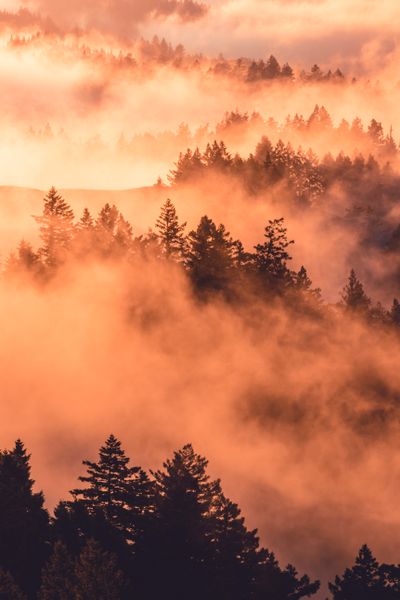
Plitvice Lakes National Park
Croatia’s Plitvice Lakes is known for cascading waterfalls and vividly colored lakes connected by wooden walkways. Mineral-rich waters continuously reshape the travertine barriers, making the landscape feel alive and constantly evolving.
-
90

Yosemite National Park
Yosemite blends granite cliffs, giant sequoias, waterfalls, and high-country wilderness into one of America’s most iconic parks. El Capitan and Half Dome have become symbols of both natural beauty and climbing culture.
-
100
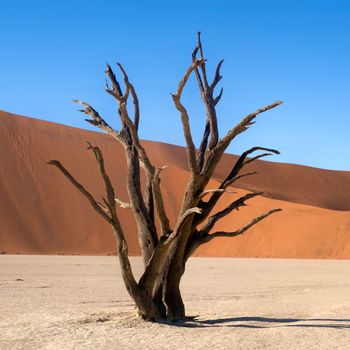
Namib-Naukluft National Park
This Namibian park showcases some of the world’s tallest sand dunes alongside stark desert mountains and Atlantic coastline scenery. Deadvlei’s ancient camel thorn trees against orange dunes create one of the planet’s most recognizable desert images.
-
Advertisement
-
110
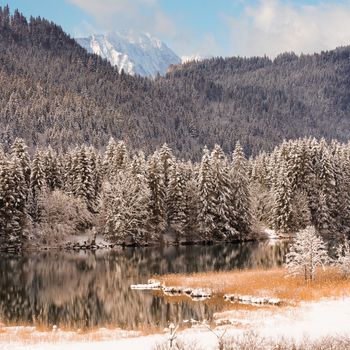
Jiuzhaigou National Park
China’s Jiuzhaigou Valley is celebrated for crystal-clear lakes, multilevel waterfalls, and colorful forest landscapes. Snow-capped mountains surrounding the valley make the scenery especially striking in autumn.
-
120

Aoraki / Mount Cook National Park
Home to New Zealand’s tallest mountain, this park features glaciers, rugged alpine terrain, and exceptionally dark night skies. The contrast between icy peaks and golden tussock valleys gives the region a cinematic quality.
-
130
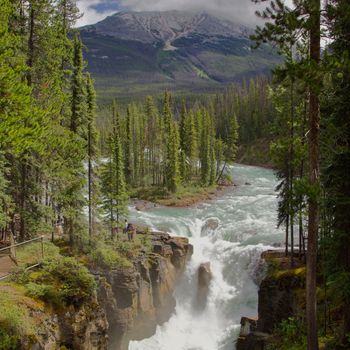
Komodo National Park
Komodo National Park combines rugged islands, coral reefs, pink sand beaches, and the world’s largest lizard species. Its marine biodiversity is equally impressive, attracting divers from around the globe.
-
140
Jasper National Park
Jasper offers quieter but equally spectacular Canadian Rockies scenery compared to neighboring Banff. Vast wilderness, glacier-fed rivers, and one of the world’s largest accessible dark sky preserves make it exceptionally versatile.
Also ranked in
- 14 National Parks That Feel Like Entire Worlds Unto Themselves 12 shared
- 14 National Parks with the Most Spectacular Landscapes on Earth 11 shared
- 14 National Parks Where Nature Showcases Its Most Astonishing Masterpieces 11 shared
- 14 National Parks That Photographers Call the Most Visually Spectacular on Earth 11 shared
- 15 National Parks Around the World That Showcase Nature’s Most Awe-Inspiring Masterpieces 11 shared
More Lists You Might Like



Frequently Asked Questions
What makes a national park visually diverse?
Are these parks suitable for first-time international travelers?
Which national park is best for wildlife viewing?
When is the best time to visit national parks for photography?
Do all national parks prioritize conservation over tourism?
Missing something?
Suggest an addition. Submissions are reviewed before appearing on the list.