
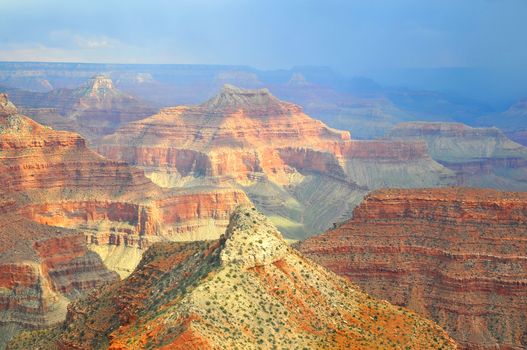
14 National Parks So Stunning They Feel Almost Unreal
Copy this code to embed the top 10:
Some landscapes are so extraordinary they seem imagined rather than formed by nature. From rainbow-colored mountains to mirror-like salt flats and towering sandstone cathedrals, these national parks redefine what “beautiful” can mean. Here are 14 national parks around the world whose scenery feels almost too spectacular to be real.
-
10

Torres del Paine National Park
Located in Chilean Patagonia, Torres del Paine is famous for its jagged granite towers, electric-blue glaciers, and turquoise lakes. The dramatic contrast between the Paine Massif and the sweeping steppe creates one of the most photogenic landscapes on Earth. Sunrise at the base of the Torres is a bucket-list experience for trekkers worldwide.
-
20

Banff National Park
Canada’s oldest national park is a showcase of the Rocky Mountains at their most pristine. Lake Louise and Moraine Lake are renowned for their surreal turquoise waters, caused by glacial rock flour. Snow-capped peaks and dense pine forests complete a scene that looks straight out of a painting.
-
30

Zhangjiajie National Forest Park
China’s Zhangjiajie is known for its towering quartz-sandstone pillars that rise dramatically from the forest floor. These gravity-defying formations inspired the floating mountains in the film "Avatar." Mist drifting among the spires creates an otherworldly, dreamlike atmosphere.
-
40
Serengeti National Park
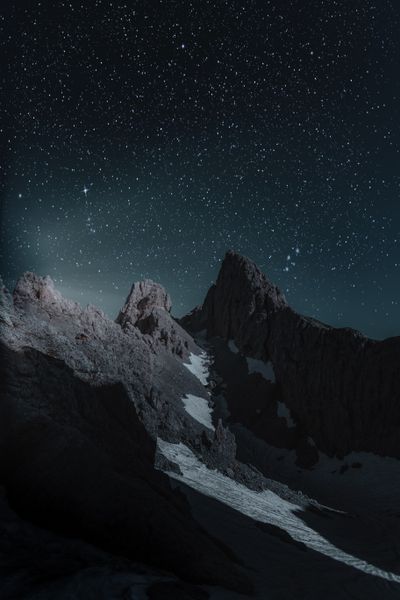
Tanzania’s Serengeti pairs sweeping golden savannas with one of the most iconic wildlife spectacles on the planet: the Great Migration. Vast horizons, acacia-dotted plains, and dramatic sunsets give the park a cinematic scale. Its beauty lies in both the landscape and the life it sustains.
-
50
Plitvice Lakes National Park
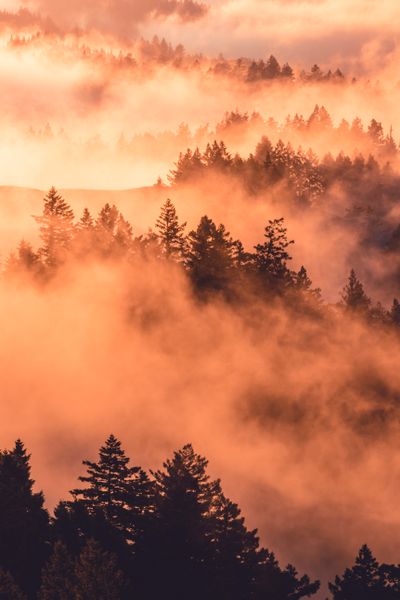
Croatia’s Plitvice Lakes is a cascading wonderland of terraced lakes connected by waterfalls. The water shifts between emerald and sapphire depending on mineral content and sunlight. Wooden walkways allow visitors to wander directly above these crystal-clear pools.
-
Advertisement
-
60
Fiordland National Park
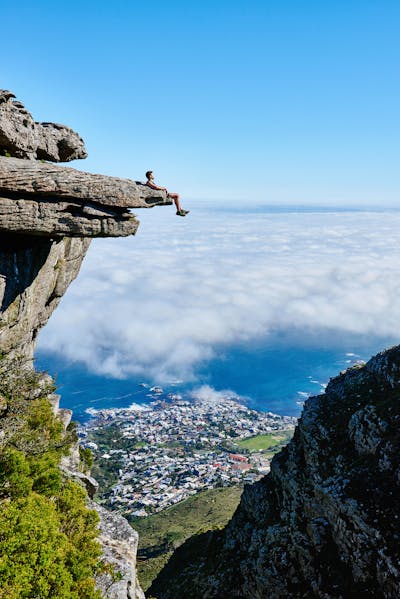
Home to Milford Sound, New Zealand’s Fiordland features dramatic fjords carved by ancient glaciers. Sheer cliffs plunge into dark waters, and waterfalls tumble down rock faces after heavy rains. The scale and rawness of the landscape make it one of the Southern Hemisphere’s most awe-inspiring regions.
-
70

Grand Canyon National Park
Arizona’s Grand Canyon is a masterpiece of geological time, carved by the Colorado River over millions of years. Its immense scale and layered bands of red rock create a constantly shifting palette of color at sunrise and sunset. Few natural landmarks convey grandeur quite so powerfully.
-
80
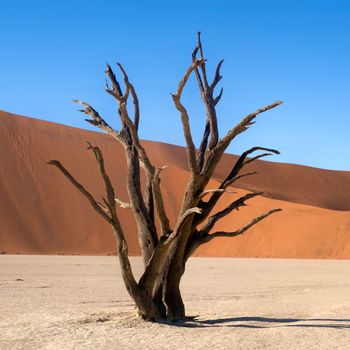
Namib-Naukluft National Park
Namibia’s Namib-Naukluft is home to some of the tallest sand dunes on Earth, including the iconic red dunes of Sossusvlei. The stark contrast between rust-colored sands, white salt pans, and deep blue skies is visually striking. Deadvlei’s ancient camel thorn trees add an almost surreal focal point.
-
90

Iguazú National Park
Straddling Argentina and Brazil, Iguazú National Park protects one of the largest waterfall systems in the world. Nearly 275 cascades thunder through lush subtropical rainforest. The sheer volume and power of the falls create a sensory experience that feels both humbling and exhilarating.
-
100

Yosemite National Park
California’s Yosemite is famed for its granite monoliths like El Capitan and Half Dome. Seasonal waterfalls plunge from towering cliffs into verdant valleys below. The combination of vertical rock faces and tranquil meadows gives the park a balanced, iconic beauty.
-
Advertisement
-
110
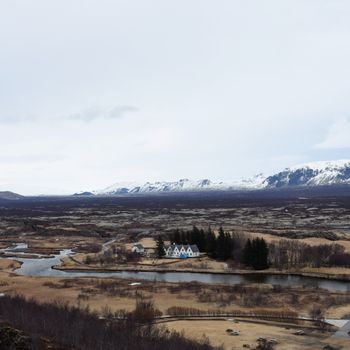
Vatnajökull National Park
Covering a significant portion of Iceland, Vatnajökull National Park features Europe’s largest glacier by volume. Ice caves, glacial lagoons, black sand plains, and active volcanoes coexist in a dramatic fusion of fire and ice. The stark, elemental scenery feels almost extraterrestrial.
-
120
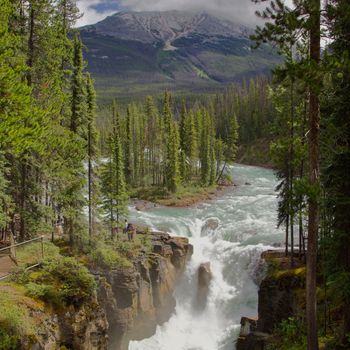
Komodo National Park
Indonesia’s Komodo National Park combines rugged hills, pink-sand beaches, and vibrant coral reefs. Beyond its famous Komodo dragons, the park’s turquoise bays and sweeping island vistas are breathtaking. The elevated viewpoints reveal a mosaic of sea and savanna unlike anywhere else.
-
130
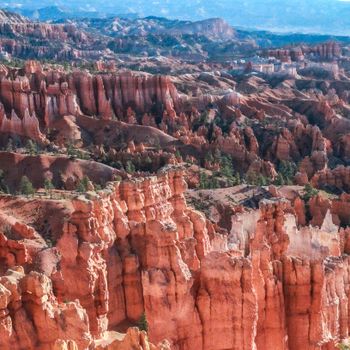
Bryce Canyon National Park
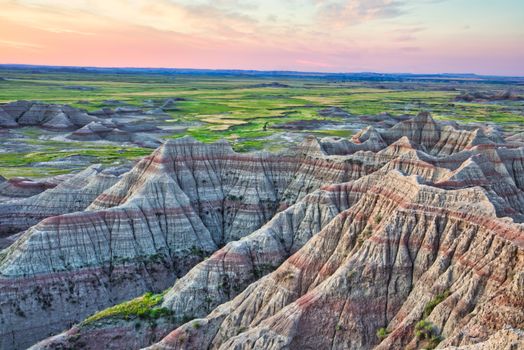
Utah’s Bryce Canyon is celebrated for its dense clusters of hoodoos—tall, thin spires of rock sculpted by erosion. The amphitheaters glow in shades of orange, pink, and gold, especially at sunrise. Its intricate formations make the landscape feel almost architectural.
-
140

Aoraki / Mount Cook National Park
Centered around New Zealand’s highest peak, Aoraki / Mount Cook National Park is defined by alpine drama. Snow-covered summits, braided rivers, and expansive glaciers dominate the terrain. The clarity of the night sky here also makes it part of a renowned International Dark Sky Reserve.
Also ranked in
- 13 Most Breathtaking National Parks Around the World for Dramatic Landscapes 13 shared
- 15 National Parks Where Nature Feels Almost Otherworldly 12 shared
- 15 National Parks Around the World That Showcase Nature’s Most Awe-Inspiring Masterpieces 12 shared
- 14 National Parks with the Most Spectacular Landscapes on Earth 11 shared
- 14 National Parks Where Nature Showcases Its Most Astonishing Masterpieces 11 shared
More Lists You Might Like



Frequently Asked Questions
What makes a national park visually unique?
Are these parks accessible to casual travelers?
When is the best time to visit scenic national parks?
Do these parks focus only on scenery, or also conservation?
Missing something?
Suggest an addition. Submissions are reviewed before appearing on the list.