
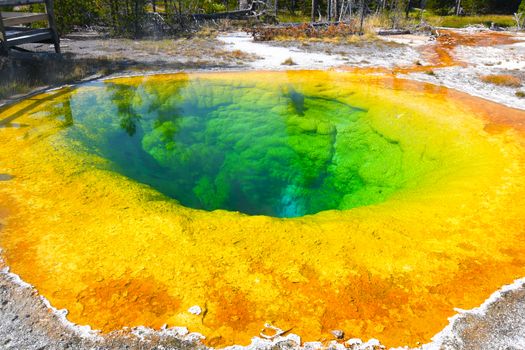
12 National Parks with the Most Dazzling Natural Color Palettes on Earth
Copy this code to embed the top 10:
Some national parks stun visitors not just with scale, but with color—turquoise lakes, rust-red deserts, rainbow mountains, and neon-green valleys. These destinations feel almost painted into existence, showcasing nature’s most vivid palettes. Here are 12 national parks where color takes center stage.
-
10
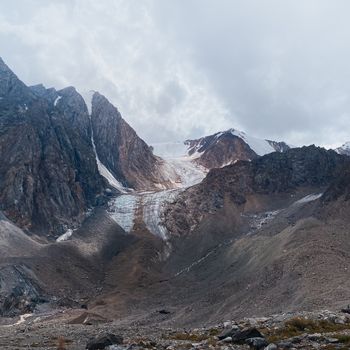
Zhangye National Geopark
China’s Zhangye Danxia landforms are famous for their surreal rainbow-striped mountains, created by layered mineral deposits and sandstone erosion. Bands of red, orange, yellow, and green ripple across the hills like brushstrokes. At sunrise and sunset, the colors intensify dramatically, making it one of the most visually striking landscapes on Earth.
-
20
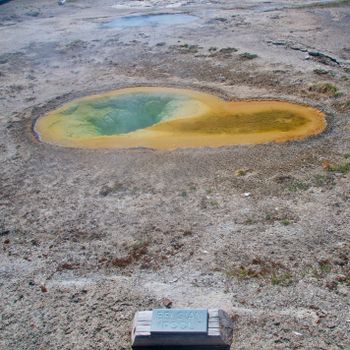
Grand Prismatic Spring (Yellowstone National Park)
The largest hot spring in the United States glows with concentric rings of electric blue, fiery orange, and deep red. These colors come from heat-loving microorganisms thriving in Yellowstone’s geothermal waters. Viewed from above, it resembles a giant, living eye set into the earth.
-
30

Banff National Park
Canada’s Banff is renowned for the opaque turquoise of Lake Louise and Moraine Lake, colored by glacial rock flour suspended in the water. The vibrant blues contrast sharply with dark evergreen forests and snow-capped peaks. In autumn, golden larches add another dramatic layer to the palette.
-
40
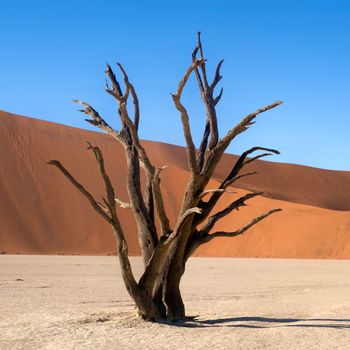
Namib-Naukluft National Park
Home to some of the world’s tallest sand dunes, Namibia’s Namib-Naukluft showcases deep apricot and burnt-orange sands against stark white salt pans. The skeletal camel thorn trees of Deadvlei add haunting black silhouettes. The interplay of color and shadow here feels almost otherworldly.
-
50

Torres del Paine National Park
Patagonia’s crown jewel blends turquoise glacial lakes, emerald valleys, and the steel-gray spires of the Paine Massif. The park’s shifting weather amplifies its hues, with rainbows frequently arching across the sky. Few places combine icy blues and windswept golds so dramatically.
-
Advertisement
-
60
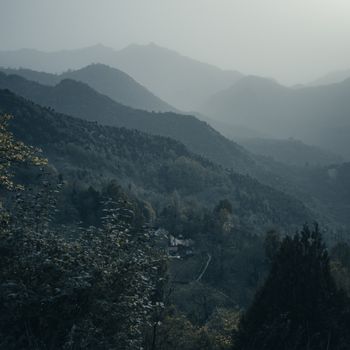
Jiuzhaigou Valley National Park
This UNESCO-listed Chinese park dazzles with multi-tiered waterfalls and lakes in shades of sapphire, aquamarine, and jade. Mineral deposits and algae create astonishing clarity and color variation in the water. In autumn, fiery red and yellow foliage reflects off the lakes’ glassy surfaces.
-
70

Grand Canyon National Park
Layer upon layer of sedimentary rock reveal a geological spectrum of crimson, ochre, lavender, and chocolate brown. The canyon’s colors shift hour by hour as sunlight moves across its vast walls. At sunset, the landscape glows in deep reds and purples that feel almost unreal.
-
80
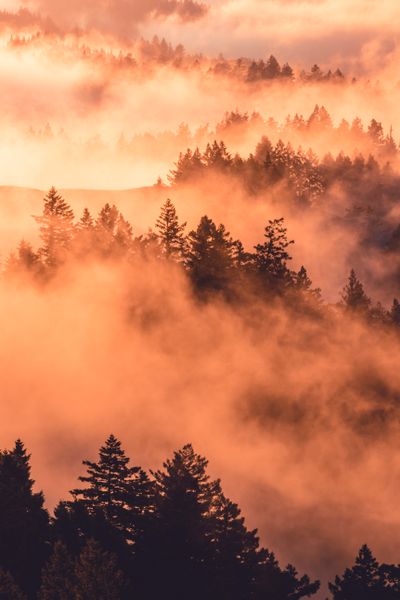
Plitvice Lakes National Park
Croatia’s Plitvice Lakes are famous for their cascading waterfalls and crystal-clear waters that range from emerald green to icy blue. The colors change depending on mineral content, light angle, and organisms in the water. Wooden walkways allow visitors to experience this vibrant aquatic world up close.
-
90
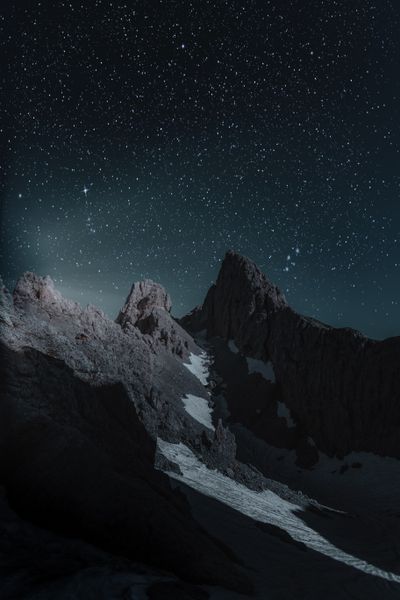
Serengeti National Park
While known for wildlife, the Serengeti’s visual power lies in its endless golden savannas under vast cobalt skies. During the Great Migration, dark herds sweep across sunlit grasslands, intensifying the contrast. Seasonal rains briefly transform parts of the plains into lush green carpets.
-
100

Arches National Park
Utah’s Arches showcases over 2,000 natural stone arches carved from vivid red Entrada sandstone. The desert landscape glows in copper and crimson tones, especially during golden hour. Snowfall in winter creates a rare and stunning contrast of white against red rock.
-
Advertisement
-
110
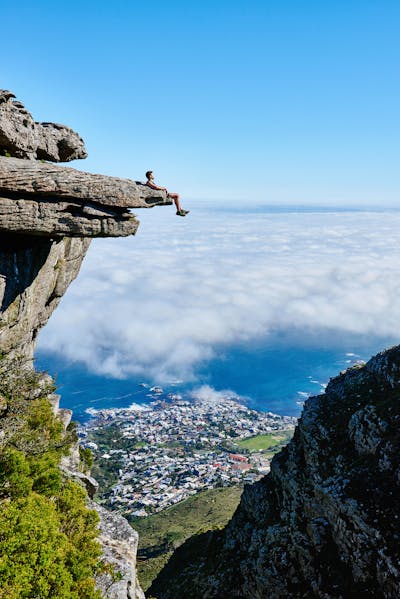
Fiordland National Park
New Zealand’s Fiordland pairs deep indigo fjords with intensely green rainforests fed by frequent rainfall. Waterfalls streak down dark cliff faces, adding flashes of white to the dramatic scenery. Mist and shifting light constantly reshape the park’s color palette.
-
120
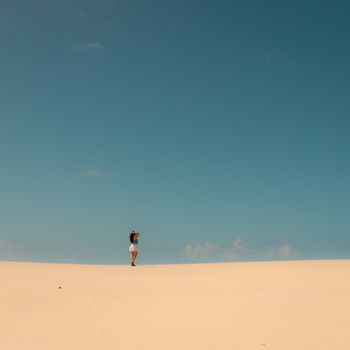
Lençóis Maranhenses National Park
In Brazil, rolling white sand dunes are punctuated by bright blue and green freshwater lagoons formed during the rainy season. The stark contrast between sand and water creates a surreal patchwork effect. From above, it looks like a desert filled with tropical swimming pools.
Also ranked in
- 15 National Parks Where Nature Feels Almost Otherworldly 9 shared
- 14 National Parks So Stunning They Look Straight Out of a Dream 9 shared
- 15 Jaw-Dropping National Parks Where Nature Feels Almost Unreal 8 shared
- 15 National Parks Where Wildlife and Scenery Create Unforgettable Encounters 8 shared
- 15 National Parks Where Nature Feels Almost Unreal 8 shared
More Lists You Might Like


Frequently Asked Questions
What makes some national parks appear more colorful than others?
When is the best time to see the most vibrant colors in these parks?
Are these parks accessible year-round?
Do natural colors in these parks change over time?
Missing something?
Suggest an addition. Submissions are reviewed before appearing on the list.