

12 National Parks Around the World with the Most Visually Diverse Landscapes
Copy this code to embed the top 10:
Some national parks captivate with a single iconic view—others overwhelm with astonishing variety. From glaciers and deserts to rainforests and coral reefs, these parks showcase multiple ecosystems within one protected boundary. Here are 12 of the most visually diverse national parks on Earth, ranked for the sheer range and contrast of their landscapes.
-
10
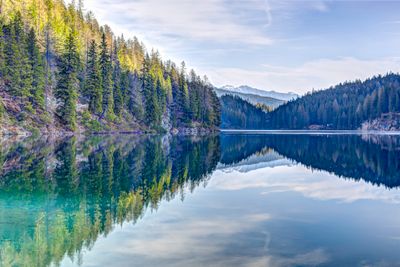
Yellowstone National Park
Yellowstone’s landscape shifts dramatically from rainbow-colored geothermal basins to alpine lakes, deep canyons, and vast wildlife-rich valleys. Home to geysers like Old Faithful and the technicolor Grand Prismatic Spring, it also encompasses forests, waterfalls, and snowcapped peaks. Few parks on Earth combine geothermal wonders and megafauna habitats at this scale.
-
20

Torres del Paine National Park
Chile’s Torres del Paine packs glaciers, turquoise lakes, jagged granite towers, pampas grasslands, and roaring rivers into one compact region. The Southern Patagonian Ice Field feeds dramatic glacial tongues that contrast sharply with golden steppe. The visual transitions here are both sudden and spectacular.
-
30

Banff National Park
Located in the Canadian Rockies, Banff blends glacier-fed lakes like Lake Louise with rugged peaks, dense pine forests, and expansive icefields. The Columbia Icefield and turquoise Moraine Lake create striking color contrasts. Wildlife corridors and alpine meadows further expand its scenic range.
-
40
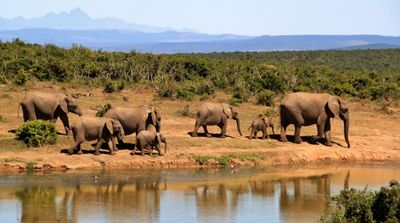
Kruger National Park
Kruger’s diversity lies in its ecosystems: savannas, riverine forests, baobab-dotted plains, and rocky outcrops known as koppies. Seasonal shifts transform the scenery from lush green to golden bushveld. Its varied habitats support one of the richest concentrations of large mammals in Africa.
-
50
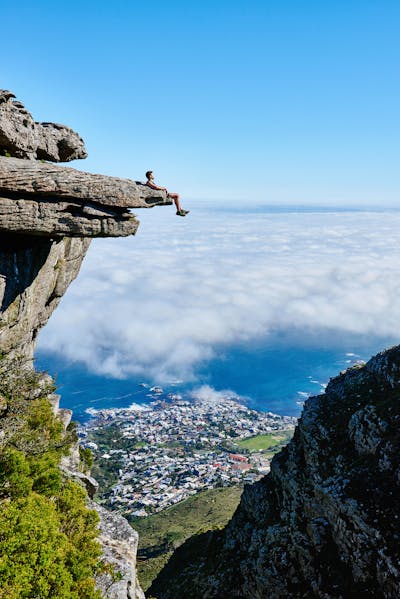
Fiordland National Park
New Zealand’s Fiordland is defined by dramatic fjords like Milford Sound, but it also contains temperate rainforests, waterfalls, alpine ranges, and deep glacial lakes. Sheer cliffs plunge directly into dark waters, often shrouded in mist. The park feels cinematic in every direction.
-
Advertisement
-
60

Serengeti National Park
While famed for its endless plains, the Serengeti also includes river systems, rocky kopjes, and wooded savannas. The annual Great Migration transforms the landscape into a living spectacle of movement. Its beauty lies in vast openness punctuated by dramatic wildlife scenes.
-
70

Zhangjiajie National Forest Park
China’s Zhangjiajie is instantly recognizable for its towering sandstone pillars rising through mist. Beyond the spires, the park includes dense forests, deep ravines, and natural stone bridges. Its surreal vertical landscape inspired the floating mountains in the film "Avatar."
-
80

Yosemite National Park
Yosemite’s granite icons—El Capitan and Half Dome—anchor a park filled with waterfalls, giant sequoia groves, alpine meadows, and high-country tundra. The dramatic Yosemite Valley contrasts with the quieter beauty of Tuolumne Meadows. Seasonal snowmelt radically transforms its scenery each spring.
-
90
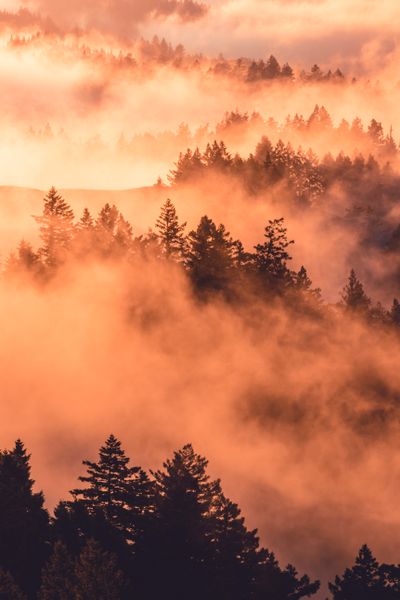
Plitvice Lakes National Park
Croatia’s Plitvice is a mosaic of cascading waterfalls and terraced turquoise lakes connected by wooden walkways. Surrounding forests shift color dramatically with the seasons, from lush summer greens to fiery autumn hues. The constant movement of water reshapes the park’s limestone formations.
-
100
Komodo National Park
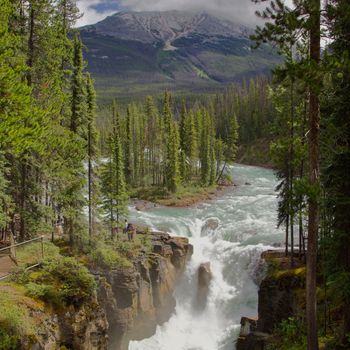
Indonesia’s Komodo spans savanna-covered islands, rugged hills, pink-sand beaches, and vibrant coral reefs. Above water, it’s dry and prehistoric; below, it’s one of the richest marine environments on Earth. This land-sea contrast makes it uniquely diverse.
-
Advertisement
-
110

Grand Canyon National Park
The Grand Canyon is far more than a single viewpoint—it contains layered rock formations, side canyons, desert plateaus, and the winding Colorado River. Elevation changes create multiple climate zones from rim to river. Light and shadow constantly redraw its contours.
-
120
Jiuzhaigou Valley National Park
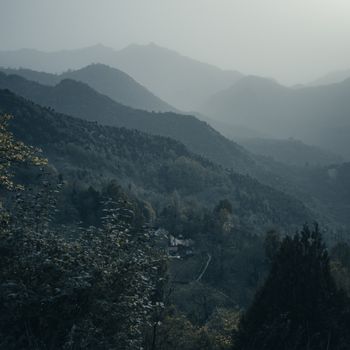
Jiuzhaigou Valley in China is known for its brilliantly colored alpine lakes, snowcapped peaks, and multi-tiered waterfalls. Mineral-rich waters create intense blues and greens that shift with sunlight. The combination of Tibetan culture and pristine scenery adds another layer of visual depth.
Also ranked in
- 15 National Parks Around the World That Showcase Nature’s Most Awe-Inspiring Masterpieces 11 shared
- 15 National Parks Where Wildlife and Scenery Create Unforgettable Encounters 11 shared
- 12 Most Breathtaking National Parks Around the World 10 shared
- 14 National Parks Where Nature Showcases Its Most Astonishing Masterpieces 10 shared
- 15 National Parks Where Nature Feels Almost Otherworldly 10 shared
More Lists You Might Like




Frequently Asked Questions
What makes a national park visually diverse?
Are larger national parks always more diverse?
Which continent has the most geographically varied national parks?
When is the best time to experience landscape diversity in these parks?
Missing something?
Suggest an addition. Submissions are reviewed before appearing on the list.