
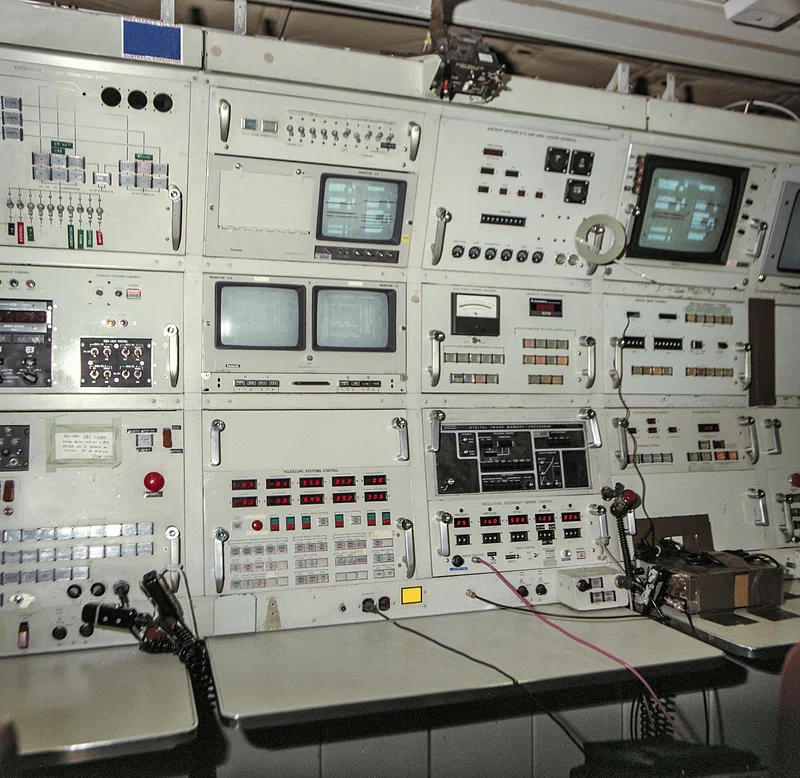
The Art of Control Panel Integration: Bringing Systems Together
Copy this code to embed the top 10:
In the complex dance of modern industrial operations, the unsung hero orchestrating harmony is the control panel. Often overlooked but undeniably crucial, control panels serve as the nerve centre of various systems, seamlessly integrating diverse components. This blog unveils the intricacies of control panel integration, shedding light on its artistry and the pivotal role it plays in the world of automation.
-
10
What Are Control Panels?
Control panels are centralised hubs that manage and regulate electrical and mechanical systems within industrial machinery. They serve as the command post, providing a user-friendly interface for controlling and monitoring various aspects of complex processes.
-
20
Components of Control Panels
-
30
PLCs (
Programmable Logic Controllers): These digital computers are at the heart of control panels, executing specific commands based on programmed logic. HMI (Human-Machine Interface): The interface through which operators interact with the control system, often featuring touchscreens for intuitive control. Sensors and Actuators: Devices that collect data and execute actions based on the received information, ensuring the system responds dynamically to changing conditions. Power Supplies: Providing the necessary power for the entire control system to function efficiently. The Artistry of Control Panel Integration Seamless Communication Control panel integration is, at its core, about fostering seamless communication between various system components. The art lies in creating a cohesive dialogue where PLCs, sensors, and actuators collaborate effortlessly, ensuring the entire system operates harmoniously. Customisation for Specific Needs Each industrial operation is unique, requiring tailored solutions. Control panel integration is an art because it involves customising the system to meet the specific requirements and challenges of a given process. This bespoke approach enhances efficiency and optimises performance. Precision in Programming Programming the PLC is where the artistry truly comes to life. Skilled programmers craft intricate code that orchestrates the movements, timings, and responses of the entire system. Precision in programming is vital for achieving accuracy and reliability in industrial processes. User-Friendly Interfaces While the complexity of control panel integration happens behind the scenes, the interface presented to operators is designed for simplicity. The art lies in creating user-friendly interfaces through HMI, allowing operators to monitor, control, and troubleshoot without delving into the intricacies of the underlying technology. Applications of Control Panels Manufacturing Industry Control panels are omnipresent in manufacturing, overseeing production lines and ensuring the synchronised operation of machinery. Energy Sector In the energy sector, control panels regulate the generation, distribution, and monitoring of power, playing a crucial role in maintaining a stable electrical grid. Water Treatment Plants Controlling the various processes involved in water treatment, from filtration to disinfection, control panels contribute to the efficient management of water treatment plants. Building Automation In building automation, control panels manage HVAC systems, lighting, security, and other crucial building functions for optimal energy usage and occupant comfort. Challenges in Control Panel Integration Compatibility Issues Integrating diverse components from different manufacturers can pose challenges related to compatibility. Skilled integrators must navigate these hurdles to create a seamless and unified system. Cybersecurity Concerns As control panels become more connected, the risk of cybersecurity threats increases. Integrators must implement robust security measures to protect systems from potential breaches. The Future of Control Panel Integration As technology advances, the art of control panel integration is expected to evolve. This AI and machine learning integration into control systems promises more adaptive and intelligent industrial processes. In the dynamic landscape of control panel integration, partnering with reputable energy brands brings a multitude of benefits. Established brands offer a wealth of experience, ensuring that the components and systems they provide adhere to the highest industry standards. Here are some key advantages of collaborating with reputable energy brands: Reliability and Quality Reputable brands are synonymous with reliability and quality. By choosing components from trusted manufacturers, you enhance the reliability of your control panels, reducing the risk of unexpected failures. Innovation and Advanced Technology Leading energy brands are at the forefront of technological innovation. Partnering with them ensures access to the latest advancements in control panel components, allowing you to stay ahead in terms of efficiency and functionality. Comprehensive Support and Services Established brands often provide comprehensive support and services, including technical assistance, training programs, and regular updates. This ongoing support ensures the optimal performance and longevity of your control panel systems. Customised Solutions Reputable energy brands understand the diverse needs of different industries. Partnering with them means gaining access to customised solutions, ensuring optimal performance and efficiency. Adherence to Industry Standards Compliance with industry standards is crucial in control panel integration. Reputable brands adhere to these standards, providing components and systems that meet or exceed regulatory requirements. The art of control panel integration goes beyond the technicalities; it encompasses precision, customisation, and the seamless orchestration of complex systems. As industries continue to advance, control panel integration will remain a cornerstone of automation and efficiency. Partnering with reputable energy brands elevates this artistry, ensuring that your control panels are not just functional but reliable, innovative, and future-proof.
-
40
Programmable Logic Controllers
): These digital computers are at the heart of control panels, executing specific commands based on programmed logic.
-
50
HMI (Human-Machine Interface)
The interface through which operators interact with the control system, often featuring touchscreens for intuitive control.
-
60
Sensors and Actuators
Devices that collect data and execute actions based on the received information, ensuring the system responds dynamically to changing conditions.
-
70
Power Supplies
Providing the necessary power for the entire control system to function efficiently.
-
80
The Artistry of Control Panel Integration
-
90
Seamless Communication
Control panel integration is, at its core, about fostering seamless communication between various system components. The art lies in creating a cohesive dialogue where PLCs, sensors, and actuators collaborate effortlessly, ensuring the entire system operates harmoniously.
-
100
Customisation for Specific Needs
Each industrial operation is unique, requiring tailored solutions. Control panel integration is an art because it involves customising the system to meet the specific requirements and challenges of a given process. This bespoke approach enhances efficiency and optimises performance.
-
110
Precision in Programming
Programming the PLC is where the artistry truly comes to life. Skilled programmers craft intricate code that orchestrates the movements, timings, and responses of the entire system. Precision in programming is vital for achieving accuracy and reliability in industrial processes.
-
120
User-Friendly Interfaces
While the complexity of control panel integration happens behind the scenes, the interface presented to operators is designed for simplicity. The art lies in creating user-friendly interfaces through HMI, allowing operators to monitor, control, and troubleshoot without delving into the intricacies of the underlying technology.
-
130
Applications of Control Panels
-
140
Manufacturing Industry
Control panels are omnipresent in manufacturing, overseeing production lines and ensuring the synchronised operation of machinery.
-
150
Energy Sector
In the energy sector, control panels regulate the generation, distribution, and monitoring of power, playing a crucial role in maintaining a stable electrical grid.
-
160
Water Treatment Plants
Controlling the various processes involved in water treatment, from filtration to disinfection, control panels contribute to the efficient management of water treatment plants.
-
170
Building Automation
In building automation, control panels manage HVAC systems, lighting, security, and other crucial building functions for optimal energy usage and occupant comfort.
-
180
Challenges in Control Panel Integration
-
190
Compatibility Issues
Integrating diverse components from different manufacturers can pose challenges related to compatibility. Skilled integrators must navigate these hurdles to create a seamless and unified system.
-
200
Cybersecurity Concerns
As control panels become more connected, the risk of cybersecurity threats increases. Integrators must implement robust security measures to protect systems from potential breaches.
-
210
The Future of Control Panel Integration
As technology advances, the art of control panel integration is expected to evolve. This AI and machine learning integration into control systems promises more adaptive and intelligent industrial processes.
In the dynamic landscape of control panel integration, partnering with reputable energy brands brings a multitude of benefits. Established brands offer a wealth of experience, ensuring that the components and systems they provide adhere to the highest industry standards. Here are some key advantages of collaborating with reputable energy brands:
-
220
Reliability and Quality
Reputable brands are synonymous with reliability and quality. By choosing components from trusted manufacturers, you enhance the reliability of your control panels, reducing the risk of unexpected failures.
-
230
Innovation and Advanced Technology
Leading energy brands are at the forefront of technological innovation. Partnering with them ensures access to the latest advancements in control panel components, allowing you to stay ahead in terms of efficiency and functionality.
-
240
Comprehensive Support and Services
Established brands often provide comprehensive support and services, including technical assistance, training programs, and regular updates. This ongoing support ensures the optimal performance and longevity of your control panel systems.
-
250
Customised Solutions
Reputable energy brands understand the diverse needs of different industries. Partnering with them means gaining access to customised solutions, ensuring optimal performance and efficiency.
Missing something?
Suggest an addition. Submissions are reviewed before appearing on the list.