
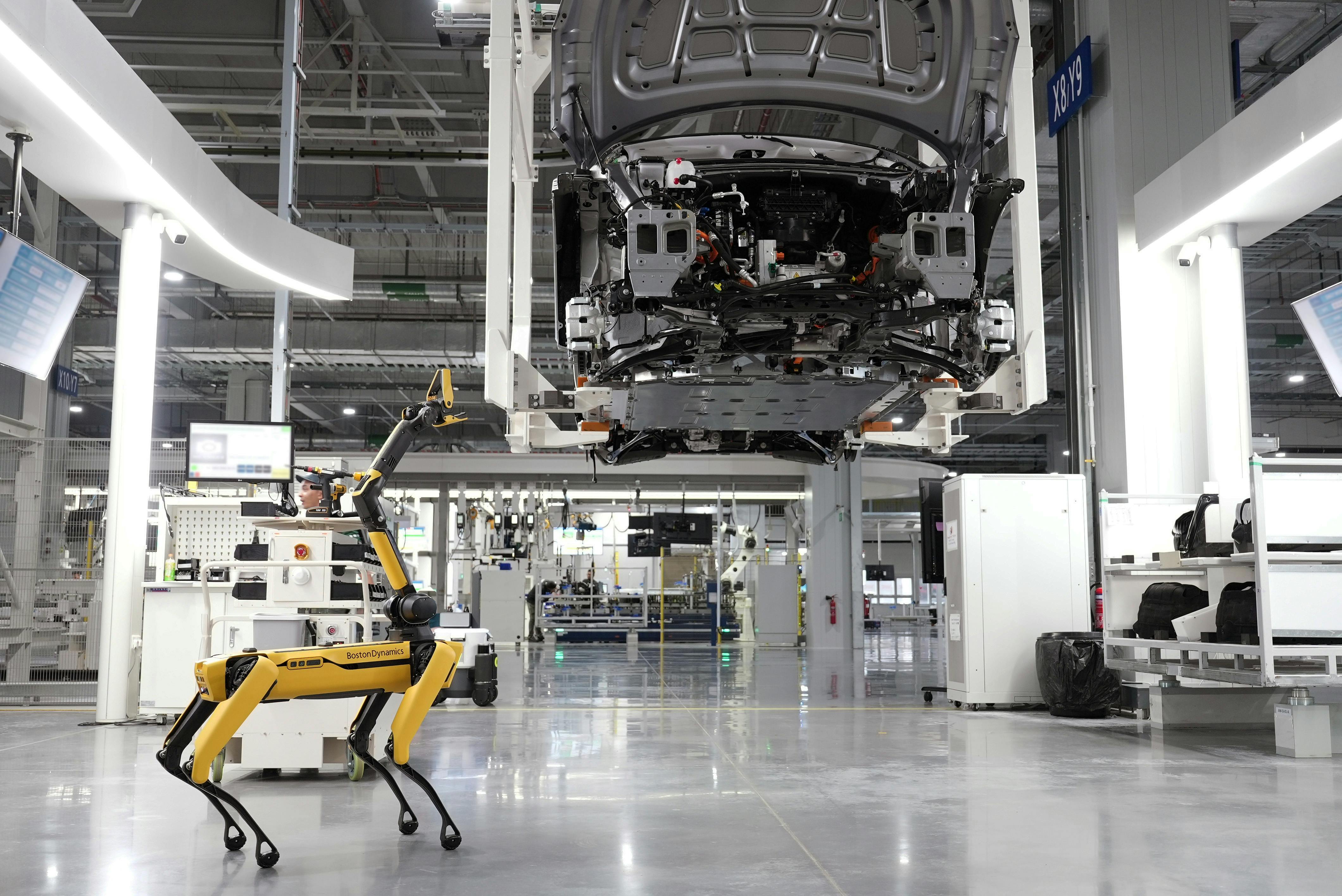
Integrating Motion Control Solutions in Manufacturing and Robotics
Copy this code to embed the top 10:
Integrating Motion Control Solutions in Manufacturing and Robotics explores how advanced control systems are transforming production floors and robotic applications. From improving precision and repeatability to reducing downtime and energy waste, motion control technologies are central to modern automation strategies. This list examines the role of motion control in manufacturing, its impact on robotics, the benefits of integration, the value of partnering with reputable energy brands, and how these systems enhance efficiency and accuracy at scale.
Ranked by our community of industry professionals and technology enthusiasts, each entry reflects real-world insight and practical experience. Cast your vote, share your perspective, and help shape the definitive guide to motion control innovation.
-
10

The Role of Motion Control in Manufacturing
At its core, motion control involves the management of mechanical movements through the use of electrical motors, sensors, drives, and controllers. In manufacturing, this system plays a crucial role in automating processes, thereby increasing speed and accuracy while reducing the risk of errors. Whether it's an automated assembly line or a complex packaging process, motion control systems ensure that every part moves with precision, minimising waste and optimising output.
Integrating these solutions allows manufacturers to fine-tune their processes. For example, in industries like automotive, electronics, and pharmaceuticals, motion control systems enable tasks such as material handling, assembly, and testing to be completed with impeccable accuracy. As a result, manufacturers experience shorter cycle times and improved product quality. Furthermore, these systems support the integration of robotics into manufacturing processes, making them more flexible and adaptable to market demands.
-
20
The Impact of Motion Control in Robotics
Robotics is another field where motion control plays a transformative role. The precision and agility required in robotic applications, such as pick-and-place operations, welding, and painting, are made possible by motion control systems. These systems enable robots to move with fluidity and accuracy, performing complex tasks without the need for human intervention.
The integration of advanced motion control solutions in robotics offers numerous benefits. For instance, it enhances the speed and accuracy of robots, which results in faster production times and a higher level of output. Additionally, these systems allow for adaptive control, meaning that robots can adjust their actions based on real-time feedback from their surroundings. This makes robots more efficient and capable of handling a wide range of tasks, from simple repetitive actions to highly complex movements requiring extreme precision.
-
30

Benefits of Integrating Motion Control Solutions
The integration of motion control into manufacturing and robotics systems brings a host of advantages. First and foremost, it significantly increases efficiency. By automating complex movements and reducing human error, businesses can see improved throughput and reduced operational costs. Furthermore, motion control allows for real-time monitoring and diagnostics, meaning that issues can be detected and resolved more quickly, ensuring minimal downtime.
Another significant benefit is the enhanced precision and consistency that motion control systems provide. As industries shift towards high-precision manufacturing processes, such as in the production of medical devices or semiconductor components, the ability to control movements to an exact degree becomes essential. By integrating motion control, manufacturers and robotic systems can achieve this level of precision, ensuring that products meet the highest standards of quality.
-
40

Partnering with Reputable Energy Brands
When implementing motion control solutions, partnering with reputable energy brands can make all the difference. The right energy partner not only provides cutting-edge technology but also offers the expertise and support necessary to integrate these solutions effectively.
With their in-depth knowledge of energy-efficient motion control systems, energy brands can help manufacturers and robotics companies optimise their operations, reduce energy consumption, and increase sustainability.
-
50

Enhance Efficiency and Precision with Motion Control Systems
Integrating motion control solutions into manufacturing and robotics systems is an essential step for companies looking to enhance their productivity, efficiency, and precision. From reducing waste to improving accuracy, motion control systems are helping businesses across industries achieve greater success. And with the added benefit of partnering with reputable energy brands, companies can further optimise their operations and ensure long-term sustainability.
More Lists You Might Like



Frequently Asked Questions
How is this list ranked?
Why is motion control important in modern manufacturing?
How does motion control enhance robotics applications?
What are the key benefits of integrating motion control solutions into existing systems?
Missing something?
Suggest an addition. Submissions are reviewed before appearing on the list.