

9 Facts out of 'Sleep Fact File!'
Copy this code to embed the top 10:
When we are consumed by stress, frustration and tiresome work, what do we want most? Certainly, more than a nap. We need sleep! This is the only time when we are not bound to anything of this world, this is the only time when we dream about things, big or small, scary or funny. Science has proved that sleep is as essential to human beings as food, water and air. But what do we know about sleep? Do we know how much we sleep in our lifetime? Hardly, I assume. So if my assumption is right, here are some facts about sleep.
-
10
One-Third Of Life Sleeping
Humans spend roughly one-third of their lives asleep, underscoring how essential rest is to overall health and survival. This statistic sets the foundation for understanding why sleep deserves serious attention.
-
20
There are different stages of sleep , ranging from light sleep to deep sleep
Sleep occurs in distinct stages, from light sleep to deep sleep and REM, each playing a critical role in physical restoration and memory consolidation. Recognizing these stages explains why uninterrupted sleep cycles are vital.
-
30
was the year when the connection between REM and dreaming was discovered
It was found that this connection begins about 90 minutes after falling asleep and it occurs in bursts totalling about 2 hours a night or 20% of one’s total sleep time.
-
30

was the year when the connection between REM and dreaming was discovered
It was found that this connection begins about 90 minutes after falling asleep and it occurs in bursts totalling about 2 hours a night or 20% of one’s total sleep time.
-
40
Babies can sleep upto 21 hours out of 24 hours of a day while children and
Newborns can sleep up to 21 hours a day, while sleep needs gradually decrease through childhood into adulthood. This fact highlights how sleep requirements change significantly across different life stages.
-
Advertisement
-
40

Babies can sleep upto 21 hours out of 24 hours of a day while children and
Adults make up their sleep time for 7-9 hours whereas people over 65 of age are satisfied with 6 hours Older people also have less deep sleep and REM sleep than young people.
-
50
The need for installing
The need for installing proper sleep-related setups or devices emphasizes how environment and comfort directly affect sleep quality. Creating the right sleep conditions is a key factor in achieving restorative rest.
-
60
Polyphasic sleep consists of short naps of few minutes instead of long period
As a result many inventors have developed anti snoring gadgets to solve this problem which inlcude mouth or nose devices that alter breathing by blasting the snorers with sounds, giving them electrical shocks or shaking their beds.
-
60
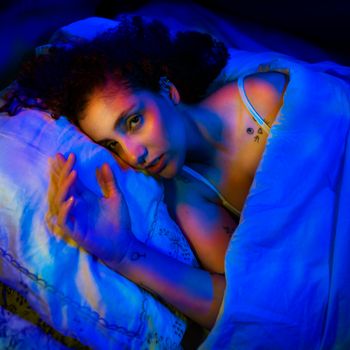
Polyphasic Sleep
Various famous people like Leonardo da Vinci and Winstin Churchill are believed to have suffered from polyphasic sleep.
-
70
The scientific word for stretching and yawning is pandiculation.
Pandiculation is the scientific term for stretching and yawning, common behaviors associated with transitions between sleep and wakefulness. This detail adds a physiological perspective to everyday sleep-related habits.
-
Advertisement
-
80
It is found that atleast 30% of adults snore
At least 30% of adults snore, making it a widespread sleep-related issue that can impact both health and household sleep quality. Its prevalence makes it an important and relatable sleep fact.
-
80

It is found that atleast 30% of adults snore
As a result many inventors have developed anti snoring gadgets to solve this problem which inlcude mouth or nose devices that alter breathing by blasting the snorers with sounds, giving them electrical shocks or shaking their beds.
-
90
In 1977, during a rocking chair marathon, Maureen Weston of Peterborough , UK,
The 1977 rocking chair marathon involving Maureen Weston highlights the extreme effects of prolonged wakefulness and sleep deprivation. Such records illustrate how essential sleep is by showcasing the limits of staying awake.
-
90
In 1977, during a rocking chair marathon, Maureen Weston of Peterborough , UK,
Extreme sleep deprivation, that is, insomnia is hazardous for health.
More Lists You Might Like






Missing something?
Suggest an addition. Submissions are reviewed before appearing on the list.