
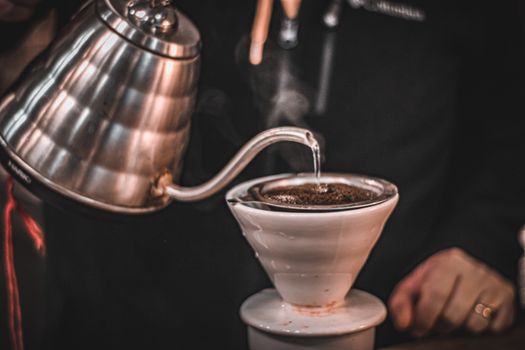
15 Coffee Brewing Methods That Transformed How We Experience Our Daily Cup
Copy this code to embed the top 10:
Coffee brewing is more than a morning routine—it’s a craft shaped by centuries of innovation and culture. From time-honored immersion techniques to modern precision devices, each method brings out different dimensions of aroma, body, and flavor. Here are 15 brewing methods that have truly transformed how we experience coffee.
-
10

Espresso Machine
Invented in Italy in the early 20th century, the espresso machine revolutionized coffee with its high-pressure extraction and concentrated flavor. It forms the backbone of café culture worldwide, enabling drinks like lattes, cappuccinos, and macchiatos. Its precision and intensity make it one of the most influential brewing methods ever created.
-
20

Pour-Over (V60)
The Hario V60 helped popularize manual brewing in specialty coffee circles with its spiral ridges and conical design. It offers exceptional clarity and highlights nuanced tasting notes, especially in single-origin beans. Baristas and home brewers alike value its control and transparency.
-
30

French Press
Known for its full-bodied profile, the French press uses immersion brewing and a metal filter to preserve natural oils. The result is a rich, textured cup with pronounced depth. Its simplicity and affordability have made it a global household staple.
-
40

AeroPress
Invented in 2005, the AeroPress quickly gained a cult following for its portability and versatility. By combining immersion and pressure, it produces a smooth, low-bitterness cup in minutes. International competitions dedicated to it highlight its creative potential.
-
50

Moka Pot
The stovetop Moka pot, patented in 1933, brought strong, espresso-style coffee into homes without expensive equipment. Using steam pressure, it creates a bold and robust brew. It remains a symbol of Italian coffee tradition.
-
Advertisement
-
60

Cold Brew
Cold brew steeps coffee grounds in cold water for 12–24 hours, producing a smooth, low-acidity concentrate. Its mellow sweetness and refreshing character have made it a modern café favorite. It also stores well, making it practical for batch preparation.
-
70

Chemex
Invented in 1941 by chemist Peter Schlumbohm, the Chemex combines elegant design with scientific precision. Its thick paper filters yield a remarkably clean, bright cup. It’s both a brewing device and a design icon featured in museum collections.
-
80
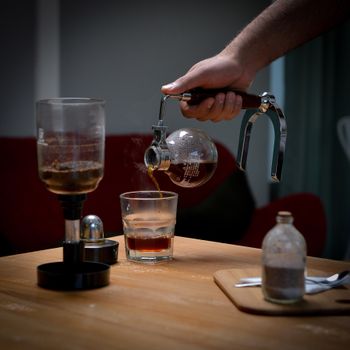
Siphon (Vacuum Pot)
The siphon brewer uses vapor pressure and vacuum suction to create a theatrical and precise brewing process. Dating back to the 19th century, it produces a clean yet aromatic cup. Its visual appeal makes it a showpiece in specialty cafés.
-
90

Turkish Coffee (Cezve)
One of the oldest brewing methods, Turkish coffee finely grinds beans and boils them unfiltered in a cezve. The result is an intense, thick brew often served with foam on top. It’s deeply rooted in Middle Eastern and Balkan cultural traditions.
-
100
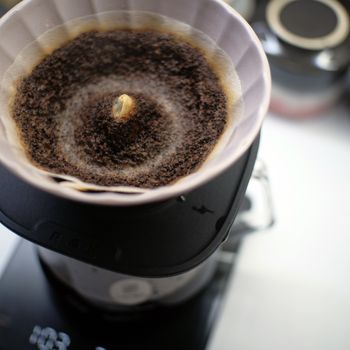
Drip Coffee Maker
Automatic drip machines democratized coffee in homes and offices worldwide. By automating water temperature and flow, they provide convenience and consistency. Modern specialty-grade drip brewers now meet rigorous quality standards.
-
Advertisement
-
110
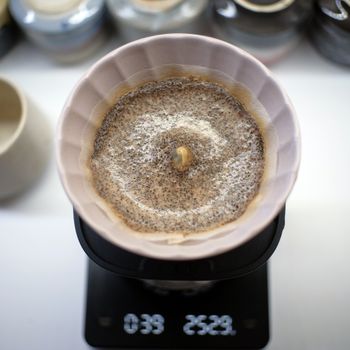
Kalita Wave
With its flat-bottom design and three small drainage holes, the Kalita Wave promotes even extraction. It’s often praised for its forgiving nature compared to other pour-over devices. The result is a balanced and sweet cup.
-
120

Percolator
Popular in the 19th and early 20th centuries, the percolator cycles boiling water through grounds repeatedly. While it can produce a strong brew, it requires attention to avoid over-extraction. It remains a nostalgic favorite for stovetop and camping use.
-
130
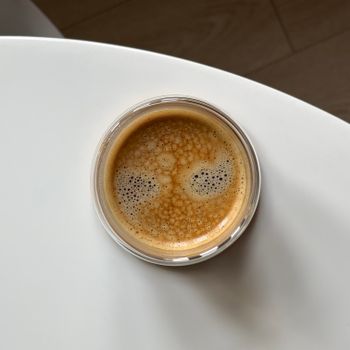
Nespresso (Capsule Brewing System)
Capsule systems like Nespresso reshaped home espresso by prioritizing speed and convenience. Pre-measured pods ensure consistency with minimal cleanup. Though debated among purists, their impact on global coffee habits is undeniable.
-
140

Clever Dripper
The Clever Dripper merges immersion brewing with paper filtration for a hybrid approach. Users steep the coffee before releasing it through a valve, gaining both body and clarity. It’s praised for delivering reliable results with minimal technique.
-
150
Nitro Cold Brew
Infused with nitrogen gas, nitro cold brew offers a creamy mouthfeel and cascading visual effect similar to stout beer. It enhances perceived sweetness without added sugar. This modern twist has become a standout offering in contemporary cafés.
Also ranked in
- 12 Coffee Brewing Techniques Ranked by Flavor Control and Craft Potential 11 shared
- 14 Coffee Brewing Methods Every True Coffee Lover Should Try 10 shared
- 12 Coffee Brewing Methods That Deliver Distinct Flavor in Every Cup 10 shared
- 14 Coffee Brewing Methods That Transform Your Daily Cup Into a Craft Experience 10 shared
- 13 Coffee Brewing Methods Ranked by Flavor Clarity and Control 10 shared
More Lists You Might Like



Frequently Asked Questions
Which brewing method is best for beginners?
What brewing method produces the strongest coffee?
Which method highlights subtle flavor notes best?
Is cold brew less acidic than hot coffee?
Missing something?
Suggest an addition. Submissions are reviewed before appearing on the list.