
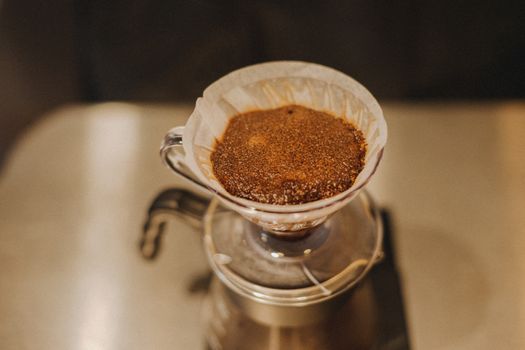
12 Coffee Brewing Techniques Ranked by Flavor Control and Craft Potential
Copy this code to embed the top 10:
Not all coffee brewing methods are created equal—some prioritize clarity, others body, and a few give you near-total control over extraction. Whether you're a casual drinker or a home barista chasing the perfect cup, understanding how each technique performs can transform your daily ritual. Here are 12 brewing methods ranked by their flavor precision, versatility, and overall craft potential.
-
10

Pour-Over (V60)
The V60 is prized for its exceptional clarity and control. With adjustable grind size, water temperature, and pouring technique, it allows experienced brewers to highlight delicate floral or fruity notes. It’s a favorite among specialty coffee professionals for showcasing single-origin beans.
-
20

Espresso Machine
Espresso delivers concentrated flavor through high-pressure extraction. While it requires precision and quality equipment, it offers unmatched intensity and serves as the foundation for drinks like lattes and cappuccinos. Dialing in grind size and extraction time makes it both challenging and rewarding.
-
30

AeroPress
Compact and versatile, the AeroPress can mimic espresso-style shots or produce smooth, filter-like coffee. Its immersion-plus-pressure design allows experimentation with brew time and ratios. It's especially popular for travel and brewing competitions.
-
40

Chemex
The Chemex uses thick paper filters to produce an ultra-clean cup with bright acidity. Its elegant design and consistent results make it ideal for light roasts. However, it offers slightly less control over flow rate than a V60.
-
50

French Press
This full-immersion method produces a rich, heavy-bodied brew with pronounced oils and sediment. It’s forgiving and simple, making it great for beginners. However, it lacks the flavor clarity of filtered methods.
-
Advertisement
-
60
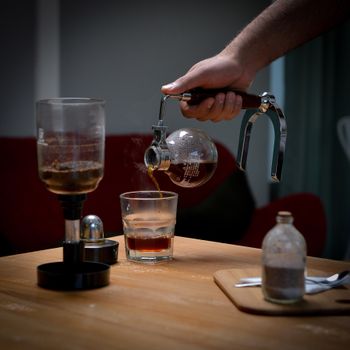
Siphon (Vacuum Pot)
Part science experiment, part coffee ritual, the siphon uses vapor pressure and vacuum suction to brew. It creates a clean yet aromatic cup with balanced body. While theatrical and precise, it requires more setup and attention than most methods.
-
70
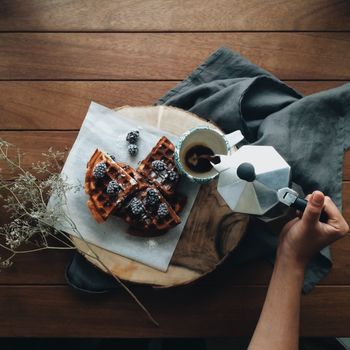
Moka Pot
Often called stovetop espresso, the Moka pot brews strong, bold coffee using steam pressure. It produces a heavier, slightly bitter profile compared to true espresso. It’s affordable and beloved in Italian households.
-
80

Cold Brew
Steeped for 12–24 hours in cold water, this method yields low-acidity, smooth coffee concentrate. It’s ideal for hot climates and iced drinks. While less nuanced in flavor complexity, it’s extremely approachable.
-
90

Clever Dripper
Combining immersion and paper filtration, the Clever Dripper offers a balance of body and clarity. It’s easier to control than traditional pour-over and highly consistent. This makes it an excellent bridge between French press and V60 styles.
-
100

Turkish Coffee (Cezve)
One of the oldest brewing methods, Turkish coffee uses ultra-fine grounds boiled in water, often with sugar. It produces a thick, intense cup with grounds settling at the bottom. While rich in tradition, it offers limited control over extraction refinement.
-
Advertisement
-
110
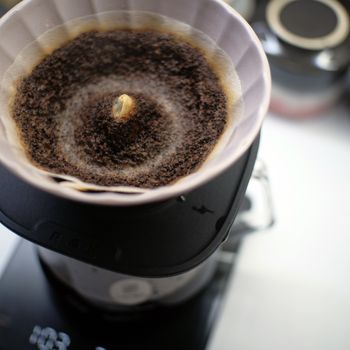
Automatic Drip Coffee Maker
Convenient and scalable, automatic drip machines dominate households worldwide. High-end models with proper temperature control can produce excellent results. However, many basic machines lack the precision needed for optimal extraction.
-
120
Percolator
Once a kitchen staple, the percolator continuously cycles boiling water through grounds. This often leads to over-extraction and bitterness. While nostalgic and durable, it offers the least flavor control among modern methods.
Also ranked in
- 14 Coffee Brewing Methods Every True Coffee Lover Should Try 11 shared
- 15 Coffee Brewing Methods That Transformed How We Experience Our Daily Cup 11 shared
- 12 Coffee Brewing Methods That Deliver Distinct Flavor in Every Cup 9 shared
- 13 Coffee Brewing Methods Ranked by Flavor Clarity and Control 9 shared
- 12 Coffee Brewing Methods That Deliver the Most Flavor Precision at Home 8 shared
More Lists You Might Like



Frequently Asked Questions
Which brewing method is best for beginners?
What method produces the strongest coffee?
Is cold brew stronger than hot coffee?
Why does pour-over coffee taste cleaner?
Missing something?
Suggest an addition. Submissions are reviewed before appearing on the list.