
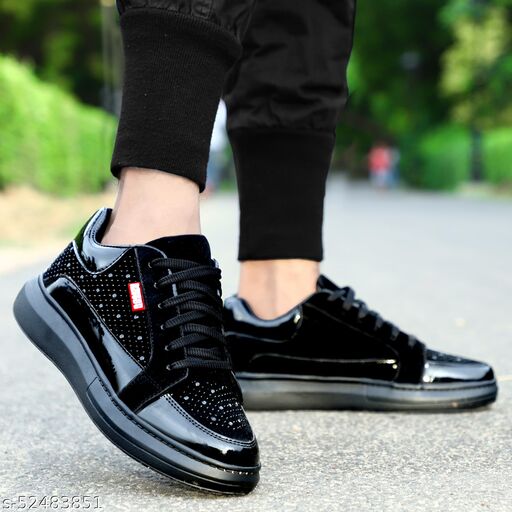
Why We Choose the Wrong Footwear
Copy this code to embed the top 10:
Shoes are a closet item on which you should not skimp. That applies to both casual and running shoes. Good shoes do not always require a lot of expenses, but they must have some essential characteristics. From this article, you will learn what to pay attention to when buying running shoes.
Basic Mistakes When Choosing Running Shoes
Which criteria do we usually rely on when choosing shoes? The first important parameter is the budget. Someone can see an advertisement for a new fashion model and decide that they want these particular sneakers by all means. Another person buys any shoes, as long as the pair is similar to sports shoes.
As a result, we feel pain in the foot or ankles after the first run. We suffer from blisters and damaged skin because of excessive friction. After a run, we can feel pain in the legs, hips, and back. The next logical step is to decide that running is not a suitable sport because of health problems and abandon this activity.
Would all this happen if we bought the right shoes right away? Probably not. Most often, it is about them, and health problems are already the consequence.
When choosing running shoes, a big mistake is to ignore the peculiarities of your foot and buy any sneakers you like. If you have, for example, flat feet, you need to pay attention to the inner sole of the shoe. When choosing running shoes for bunion feet, you need to select a specific material, the right sneaker shape, etc.
How to Choose the Right Shoes for Running
You might have realized by now that you can't blindly follow fashion trends to choose sneakers. If your friend recommends you some sneakers for jogging, which they have been comfortably running in for a long time, it does not mean that they will suit you. So, when choosing sneakers, pay attention to the following parameters:
-
10
Sneaker upper material
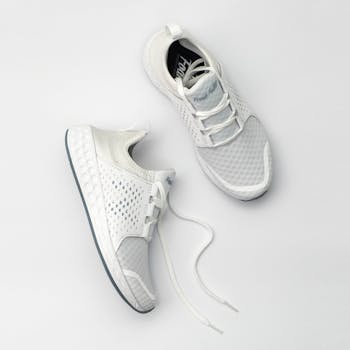
A good shoe should hold your foot well but not squeeze it. If you have a foot condition such as bunions, the problem foot areas should not have rough seams that can chafe. Running shoes are often made of mesh. It is quite elastic and allows the foot to breathe.
-
10
Sneaker upper material
A good shoe should hold your foot well but not squeeze it. If you have a foot condition such as bunions, the problem foot areas should not have rough seams that can chafe. Running shoes are often made of mesh. It is quite elastic and allows the foot to breathe.
-
20
Outer sole
If you had bought shoes of poor quality at least once, you could have noticed that the inner surface of the sneaker had sagged over time and even something like cells appeared on it. That means that the shoes do not have proper cushioning. Imagine how such a sole puts pressure on the foot during a run. Thus there should be a good layer of foam inside the shoe, but not too high. Otherwise, it will be uncomfortable to run.
-
20
Outer sole
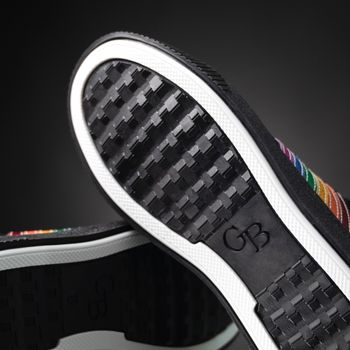
It is better to know in advance where you will run. For example, on asphalt or forest paths. The sole should provide good traction with the ground surface. Therefore, the soles of your sneakers should be smoother or embossed, depending on the terrain where you plan to run. Also, the sole should not be too massive so as not to hinder the movement while running.
-
30
Inner sole
That is where the sneaker should have sufficient ankle support. If you plan to wear special gaiters to support your ankles, make sure that when you wear them, your sneakers aren't too tight for you.
-
30
Inner sole
If you had bought shoes of poor quality at least once, you could have noticed that the inner surface of the sneaker had sagged over time and even something like cells appeared on it. That means that the shoes do not have proper cushioning. Imagine how such a sole puts pressure on the foot during a run. Thus there should be a good layer of foam inside the shoe, but not too high. Otherwise, it will be uncomfortable to run.
-
40
Insole
The sneaker material around the laces should not be too stiff to allow your foot to flex. Make sure that you are comfortable adjusting the lacing so that the sneaker neither dangles on your foot nor squeezes it too much.
-
40
Insole
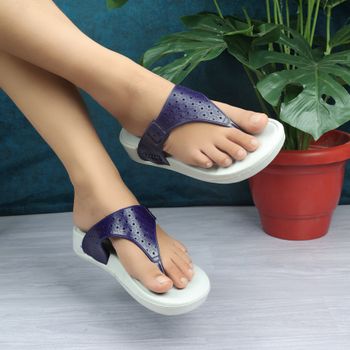
It should follow the shape of your foot and compensate for its deformation. If sneakers suit you in all respects, except for the insole, you can still buy them and put a special orthopedic insole inside. But be sure there is enough space inside the sneaker for an extra insole.
-
50
The upper part of the sneaker is in the ankle area
-
50

The upper part of the sneaker is in the ankle area
That is where the sneaker should have sufficient ankle support. If you plan to wear special gaiters to support your ankles, make sure that when you wear them, your sneakers aren't too tight for you.
-
60
Sock
-
60
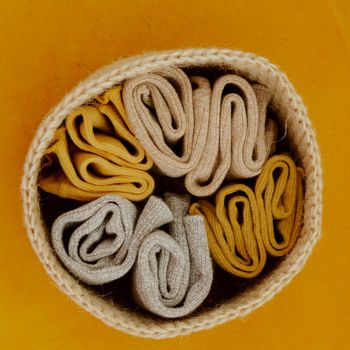
Sock
It should not squeeze your toes too much, putting pressure on the top of the foot. The sock should be roomy, especially if you have bunions around your big toes.
-
70
Lacing
-
70
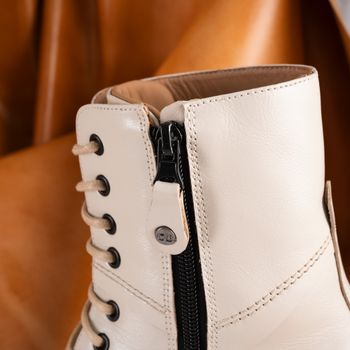
Lacing
The sneaker material around the laces should not be too stiff to allow your foot to flex. Make sure that you are comfortable adjusting the lacing so that the sneaker neither dangles on your foot nor squeezes it too much.
-
80
Heel
-
80
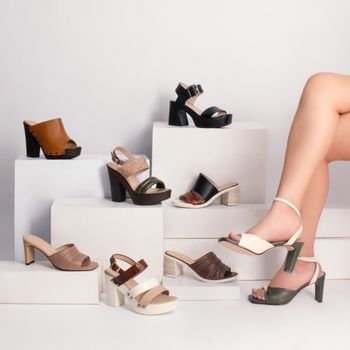
Heel-to-toe drop
The heel should be a little higher than the toe. It should not feel like you are wearing shoes with heels. When trying the pair on, ensure that the foot makes a comfortable roll and does not tumble anywhere.
Missing something?
Suggest an addition. Submissions are reviewed before appearing on the list.