

Top Sources and Signs of Water Damage to Buildings
Copy this code to embed the top 10:
We all need water to live, but like fire, water has two faces, a benign one, and a less-pleasant one. When it comes to structures, water damage can occur in subtle ways as well as sudden, catastrophic ones. Of course, nobody can miss the fact that a flood has occurred, and in that case, you should be quick to get remediation and restoration services to help you, but there are other sources of structural water damage, and they’re a whole lot sneakier and less obvious. In this article, we’ll explore the top sources of water damage, as well as signs of water damage you should be aware of.
-
10
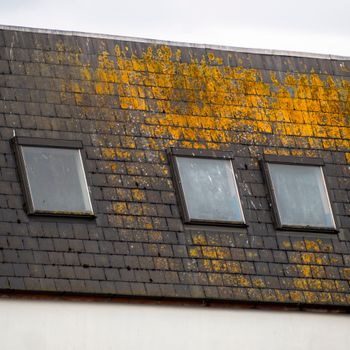
Damaged Roof: Roof Leaks
Most of us will have experienced a leaking roof at one time or another. The tell-tale signs are hard to overlook: puddles of water on the floor after rain, for example, or stained ceiling boards. Although replacing a roof is a major project, stopping a leak could be a simple matter - and if your roof really does need to be replaced, you need to plan for it, since water damage will affect far more than just your ceiling boards.
-
20
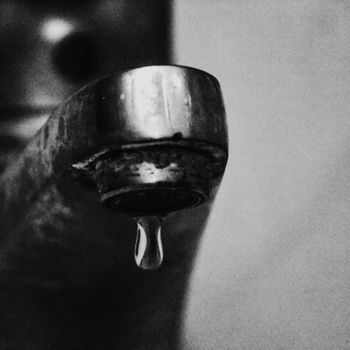
Leaking Pipes
While there’s little chance of you missing the signs of a broken water supply pipe, it’s easy to miss little leaks that steadily drip all day and night. Your first indicator of trouble could be bulging and flaking of plaster and paint or musty smells. The longer you leave it, the more costly your repairs will be. You can prevent long-term damage by checking your water supply for leaks. Check your meter, don’t use any water, and see whether the meter continues to register water usage after a few hours. If it does, there’s a leak somewhere, and you should have it attended to before it can damage your home or business premises.
-
30
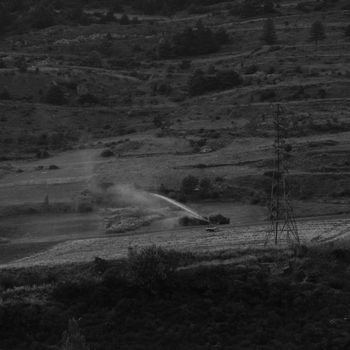
Malfunctioning Sprinkler Systems
If a fire were to break out, your sprinkler system could be your best friend, but if it is poorly maintained, there’s a chance that it can leak or even turn itself on for no reason. Have your sprinkler system maintained to reduce your risks. Good maintenance every three years should help you to have confidence that your sprinkler system will work when there is a fire, and remain off when there isn’t one.
-
40

Rising Damp
Ground water that saturates the ground under your building’s foundations causes “rising damp.” It’s comparatively rare in modern buildings because foundations are built to withstand it, but it can still occur. As with other types of water damage, you’ll notice damage to plaster and masonry, this time, from the ground level up. You will need help from construction professionals to resolve the issue, and you may want to look at basement waterproofing.
-
50
Leaking or Burst Water Heaters
Your hot water supply is important to you, but the heater, which operates under pressure, can burst if it becomes old and corroded. Leaks can also occur. Even if you check the drip tray from time to time, you could still end up with a lot of water being released in the area where it was installed if the tank were to breach. In milder climates, an outdoor water heater installation can be practical and reduces the risk of water damage to structures. If you have an indoor installation and want to limit the risk of structural damage caused by a burst water heater, have it replaced every ten years or so.
More Lists You Might Like



Frequently Asked Questions
What are the most common sources of water damage in buildings?
How can I tell if my building has water damage?
Why is roof damage ranked so high as a source of water damage?
How is the ranking of water damage sources determined on this list?
Missing something?
Suggest an addition. Submissions are reviewed before appearing on the list.