
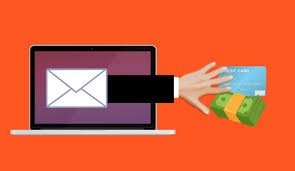
Phishing Frenzy: 5 Sneaky Scams Targeting You Online and How to Avoid Them
Copy this code to embed the top 10:
Photo: Nataliya Vaitkevich / Pexels
In the digital age, where convenience meets connectivity, online scams have spread all over, targeting unsuspecting users with sophisticated tactics. Although top IT service providers can help keep you safe, it’s also crucial to stay informed on common online scams to avoid falling victim to them yourself. Below are five of the most sneaky ones to watch out for.
-
10

Phishing Attacks
One of the most common and effective scams online today is phishing. This scam involves fraudsters impersonating legitimate organizations via email, text messages, or phone calls to steal sensitive information such as usernames, passwords, and credit card details.
Typically, the messages you receive from a phishing attack urge immediate action—verifying your account details or confirming a password reset are two common ones. Then, it includes a link to a fake website that closely resembles the real one.
To avoid falling for phishing attacks, always verify the source before clicking on any links or downloading attachments. Double-check the sender's email address for any irregularities, and avoid providing personal information over email or phone.
-
20

Tech Support Scams
Tech support scams prey on the lack of technical knowledge of some users. Scammers will often pose as representatives from well-known companies, claiming to have detected a virus or an issue with your computer. They might prompt you to install remote access software to "fix" the problem, thereby gaining control over your device.
To protect yourself, remember that legitimate tech support teams will never contact you unsolicited. Instead of installing something on the spot, initiate contact through official channels to get the support you need.
-
30

Investment Scams
With the rise of digital currencies and online investment platforms, investment scams have become increasingly sophisticated. These scams lure you in by promising high returns with little to no risk. They often showcase testimonials from "successful investors" to seem credible.
Be extra wary of any investment opportunity that requires an upfront fee, guarantees returns, or pressures you to act quickly. Always research the company and its credentials thoroughly before investing, and consider seeking advice from a financial advisor.
-
40

Romance Scams
Romance scams involve fraudsters creating fake profiles on dating sites or social media to establish romantic relationships with their targets. They build trust over time and then fabricate scenarios where they need money, such as a medical emergency or travel expenses to visit you.
To avoid romance scams, be cautious with your personal and financial information. Never send money or share your banking details with someone you have only met online. Conducting a reverse image search of profile pictures can help verify a person’s identity.
-
50

Fake Shopping Websites
During sale seasons, scammers often create fake shopping websites that offer high-demand goods at significantly reduced prices. These websites might look professional and may even display security certificates. However, once the purchase is made, the goods never arrive, and the website disappears.
To protect yourself, only shop from reputable, well-known websites. Moreover, check reviews and ratings from other users, and ensure the web address starts with ‘https’ (this indicates a secure connection).
The internet is a powerful tool that brings a wealth of convenience into our lives, but it also opens the door to various scams. By staying educated and vigilant, you can navigate online spaces more safely. Always verify information, be skeptical of too-good-to-be-true offers, and use secure and reputable websites. It’s annoying to have to be so vigilant, but it’s also important to be realistic. Protecting yourself online is an ongoing process that requires awareness and caution.
More Lists You Might Like





Frequently Asked Questions
How is this list of online scams ranked?
What is the most common type of phishing scam today?
How can I tell if a shopping website is fake?
What should I do if I think I’ve been targeted by a tech support scam?
Missing something?
Suggest an addition. Submissions are reviewed before appearing on the list.