

Modern Slavery Signs - How To Spot A Victim
Copy this code to embed the top 10:
Welcome to the community ranking of Modern Slavery Signs - How To Spot A Victim . Filed under Life, this list reflects the collective preferences of Topcount voters.
Think something's missing or ranked wrong? Your vote can make a difference — every ranking here is shaped by the community.
-
10

Lack of Personal Identification Documents
Victims are often unable to access passports, IDs, or work permits because traffickers confiscate them to maintain control.
-
20
Restricted Freedom of Movement
Being constantly monitored, escorted, or prevented from leaving work or living premises is a major red flag of coercion.
-
30

Signs of Physical Abuse or Neglect
Unexplained injuries, untreated medical conditions, or signs of malnourishment can indicate exploitation and control.
-
40

Excessive Working Hours With No Pay
Working extremely long hours for little or no wages is a common indicator of forced labor or debt bondage.
-
50

Debt Bondage Arrangements
Victims may report owing large debts for travel, housing, or recruitment fees that keep them trapped in exploitative conditions.
-
Advertisement
-
60

Living at the Workplace
Being forced to sleep in overcrowded or unsafe conditions at a job site often signals labor exploitation.
-
70

Fearful or Submissive Behavior
Victims may appear anxious, avoid eye contact, or defer to another person who speaks on their behalf.
-
80

Inability to Communicate Freely
Limited language skills combined with someone else controlling conversations can indicate coercion and isolation.
-
90
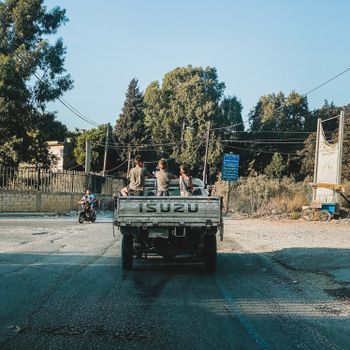
Unusual Transportation or Drop-Off Patterns
Groups of workers being transported together at odd hours under supervision can point to organized exploitation.
-
100

Lack of Access to Personal Finances
If someone has no control over their earnings or bank account and relies on another person for basic expenses, it may signal control and exploitation.
More Lists You Might Like





Frequently Asked Questions
What are common signs that someone may be a victim of modern slavery?
How can I tell the difference between poor working conditions and modern slavery?
What should I do if I suspect someone is a victim of modern slavery?
How is this list of modern slavery signs ranked?
Missing something?
Suggest an addition. Submissions are reviewed before appearing on the list.