

What Makes A Hydrostatic Pressure Gauge Work?
Copy this code to embed the top 10:
Explore our community's take on What Makes A Hydrostatic Pressure Gauge Work?. This list in the General category is ranked entirely by community votes — making it a genuine reflection of collective opinion.
Have a different perspective? Sign up and cast your votes to influence the rankings.
-
10
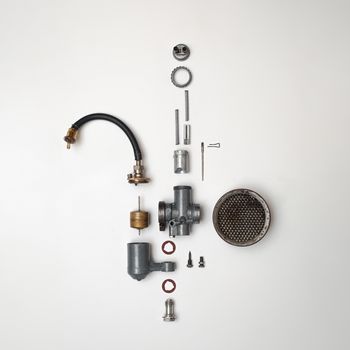
Bourdon Tube
The core sensing element in many hydrostatic pressure gauges, the Bourdon tube flexes in response to pressure changes and converts fluid pressure into mechanical motion.
-
20

Pressure Port
This inlet connection allows the fluid under pressure to enter the gauge, transmitting hydrostatic force directly to the sensing element.
-
30
Diaphragm Element
In diaphragm-type gauges, a flexible membrane deflects under hydrostatic pressure, enabling accurate measurement of low or corrosive fluid pressures.
-
40

Hydraulic Fluid Column
The fluid column exerts force proportional to its height and density, forming the fundamental principle behind hydrostatic pressure measurement.
-
50

Strain Gauge Sensor
In modern electronic gauges, strain gauges detect minute deformations in the sensing element and convert them into measurable electrical signals.
-
Advertisement
-
60
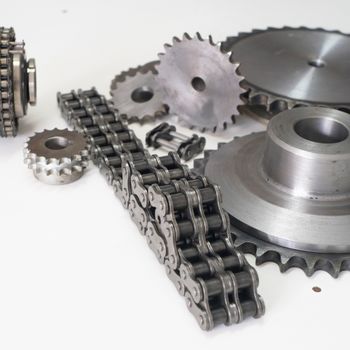
Mechanical Linkage Mechanism
A system of gears and levers amplifies motion from the sensing element to drive the indicator needle with precision.
-
70
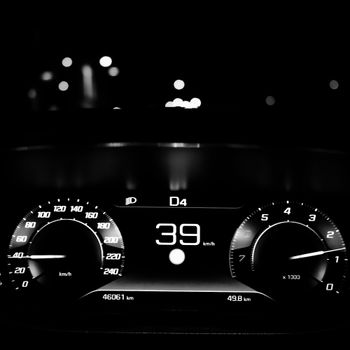
Dial Indicator
The calibrated dial provides a visual display of pressure readings, translating internal mechanical movement into readable units.
-
80
Calibration Screw
Used to fine-tune accuracy, the calibration screw ensures the gauge provides correct readings under standardized conditions.
-
90
Piezoelectric Pressure Sensor
In advanced gauges, piezoelectric crystals generate an electrical charge under pressure, enabling precise digital pressure measurement.
-
100

Protective Gauge Casing
The durable outer housing shields internal components from environmental damage, ensuring reliable operation in industrial settings.
More Lists You Might Like






Frequently Asked Questions
What makes a hydrostatic pressure gauge work?
How does fluid density affect hydrostatic pressure readings?
Where are hydrostatic pressure gauges commonly used?
How is this list of what makes a hydrostatic pressure gauge work ranked?
Missing something?
Suggest an addition. Submissions are reviewed before appearing on the list.