
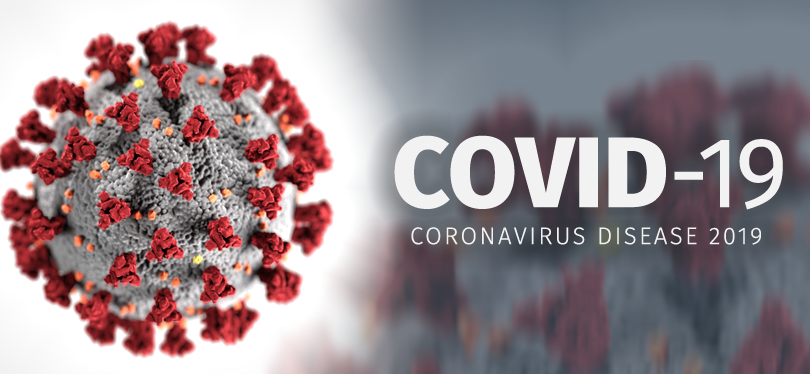
Is the CoronaVirus just a Glorified Common Cold?
Copy this code to embed the top 10:
Virus is not something to be taken as lightly as a Common cold. It’s very dangerous and if not dealt with properly can lead to the fall of Governments.
-
10

SARS-CoV-2
The virus responsible for COVID-19, SARS-CoV-2 has caused millions of deaths worldwide, distinguishing it significantly from viruses that cause the common cold.
-
20

COVID-19
The disease caused by SARS-CoV-2 ranges from mild symptoms to severe respiratory failure, blood clots, and multi-organ damage—far beyond typical cold severity.
-
30

Acute Respiratory Distress Syndrome (ARDS)
A life-threatening complication seen in severe COVID-19 cases, ARDS involves widespread lung inflammation and is not associated with the common cold.
-
40
Long COVID
Persistent symptoms such as fatigue, brain fog, and cardiovascular issues lasting months after infection set COVID-19 apart from ordinary colds.
-
50
SARS (Severe Acute Respiratory Syndrome)
Caused by a related coronavirus (SARS-CoV-1), SARS demonstrated that some coronaviruses can cause severe global outbreaks, unlike common cold strains.
-
Advertisement
-
60

MERS (Middle East Respiratory Syndrome)
Another serious coronavirus illness with a high fatality rate, reinforcing that not all coronaviruses are mild like those causing colds.
-
70
Influenza
Often compared to COVID-19, influenza can also be severe, but COVID-19 has shown higher hospitalization and mortality rates in many populations.
-
80
Rhinovirus
The most common cause of the common cold, rhinovirus infections are typically mild and self-limiting, highlighting the difference from COVID-19.
-
90

Seasonal Human Coronaviruses (OC43, 229E, NL63, HKU1)
These coronaviruses usually cause mild cold-like symptoms, which may contribute to confusion, but they are distinct from SARS-CoV-2.
-
100

mRNA COVID-19 Vaccines (Pfizer-BioNTech and Moderna)
The rapid global development of specialized vaccines underscores the seriousness of COVID-19 compared to the common cold, which does not require mass vaccination campaigns.
More Lists You Might Like




Frequently Asked Questions
Is COVID-19 just a glorified common cold?
How does COVID-19 differ from the common cold?
Who is most at risk for severe COVID-19?
How is this community-ranked list determined?
Missing something?
Suggest an addition. Submissions are reviewed before appearing on the list.