

Is It Too Late to Become a Doctor? Reasons to Pursue a Medical Career Now
Copy this code to embed the top 10:
Explore our community's take on Is It Too Late to Become a Doctor? Reasons to Pursue a Medical Career Now. This list in the Featured category is ranked entirely by community votes — making it a genuine reflection of collective opinion.
Have a different perspective? Sign up and cast your votes to influence the rankings.
-
10

AAMC Projected U.S. Physician Shortage
The Association of American Medical Colleges projects a significant physician shortage in the coming years, underscoring strong demand and long-term job security for new doctors.
-
20

U.S. Bureau of Labor Statistics Physician Job Growth Outlook
The BLS consistently projects faster-than-average growth for physicians and surgeons, making medicine a stable and future-proof career choice.
-
30

Nontraditional Medical Student Trend in U.S. Medical Schools
An increasing number of medical students are career changers or over age 25, proving that it’s not uncommon—or too late—to start medicine later in life.
-
40

Flexible and Accelerated MD/DO Programs
Many medical schools now offer accelerated pathways and flexible curricula, making it more feasible for older or second-career students to complete training efficiently.
-
50

Public Service Loan Forgiveness (PSLF) Program
Federal loan forgiveness programs significantly reduce the financial burden for physicians who work in nonprofit or public service settings.
-
Advertisement
-
60
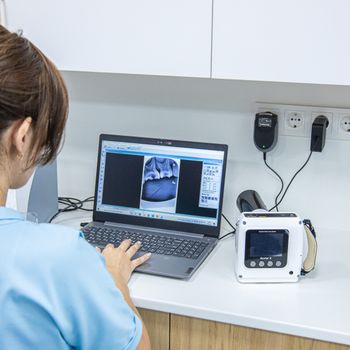
Telemedicine Expansion Post–COVID-19 Pandemic
The rapid growth of telehealth has expanded career flexibility and work-life balance options for modern physicians.
-
70

Primary Care Incentive Programs Under the Affordable Care Act
Federal and state incentive programs continue to support new physicians entering primary care and underserved areas.
-
80

Growing Demand in Geriatric Medicine
An aging population has created urgent demand for physicians in geriatrics and chronic disease management, opening meaningful late-entry career paths.
-
90
Physician Autonomy in Private Practice Ownership
Medicine still offers opportunities for entrepreneurship through private practice, allowing doctors to shape their own careers and communities.
-
100

High Lifetime Earning Potential of Physicians
Despite years of training, physicians remain among the highest-earning professionals, making the long-term return on investment compelling even for later starters.
More Lists You Might Like






Frequently Asked Questions
Is it too late to become a doctor if I’m in my 30s or 40s?
How long does it take to become a doctor later in life?
Are there financial risks to pursuing medicine later in life?
How is this community-ranked list created and updated?
Missing something?
Suggest an addition. Submissions are reviewed before appearing on the list.