
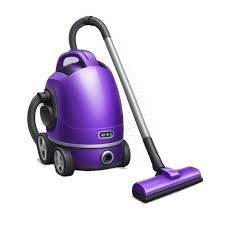
How Does a Vacuum Cleaner With HEPA Filter Improve Cleaning?
Copy this code to embed the top 10:
A vacuum cleaner with a HEPA filter significantly enhances the cleaning process by capturing even the tiniest particles that other filters might miss. This advanced filtration system is designed to trap dust, allergens, and pollutants, ensuring that your home is not only cleaner but also healthier.
With a HEPA filter, the air in your living space becomes purified, reducing the presence of airborne irritants. As maintaining a clean and healthy environment becomes increasingly important, the HEPA filter purifier proves to be an essential feature in modern vacuum cleaners.
Opting for a vacuum cleaner with a HEPA filter is a thoughtful choice for those who prioritise cleanliness and air quality. Read this blog to create a more comfortable and safe home for you and your family.
What is a HEPA Filter?
A HEPA filter, short for High-Efficiency Particulate Air, is designed to capture 99.7% of airborne particles as small as 0.3 microns, which usually include dust, pollen, and other allergens. This makes vacuum cleaners with HEPA filtration highly effective in removing indoor air pollutants.
The filter's multiple layers work together to trap and eliminate various particles from the air, ensuring a cleaner and healthier environment. Only HEPA-rated vacuum cleaners can efficiently filter out these tiny particles, unlike standard models.
Whether or not you suffer from asthma or allergies, using a vacuum cleaner with a HEPA filter purifier is a smart choice for maintaining high indoor air quality standards.
Benefits of Using a HEPA Filter
Many people are vigilant about outdoor air quality, especially during smog warnings, but fewer consider the air inside their homes. This is concerning, as most of your time is spent indoors, making it crucial to maintain good indoor air quality (IAQ). One effective way to improve IAQ is by using a vacuum cleaner with a HEPA filter purifier. Here's why:
-
10

Superior Filtration
Unlike standard vacuums, which release smaller dust particles back into the air, a vacuum with a HEPA filter effectively traps these tiny pollutants, protecting your indoor environment.
-
10

Superior Filtration
Unlike standard vacuums, which release smaller dust particles back into the air, a vacuum with a HEPA filter effectively traps these tiny pollutants, protecting your indoor environment.
-
20
Filter Durability
A cleaner with a HEPA filter is designed to capture these irritants, providing relief to allergy sufferers.
-
20
Filter Durability: HEPA filters are known for their long-lasting efficiency
Unlike other filters that require frequent replacement, HEPA filters maintain their effectiveness over time, even improving as they collect more particles.
-
30

Relief for Allergy Sufferers
A cleaner with a HEPA filter is designed to capture these irritants, providing relief to allergy sufferers.
-
Advertisement
-
30
Relief for Allergy Sufferers
Buying a vacuum cleaner with a HEPA filter is a step toward better health and overall wellness.
-
40
Asthma Symptom Relief
Using a HEPA filter purifier can help reduce these triggers, making it easier for asthmatics to breathe.
-
40
Support for Asthma Patients
HEPA filters capture fine particles like dust mites, pet dander, and pollen that commonly trigger asthma symptoms. By preventing these allergens from being recirculated into the air, HEPA-equipped vacuums help create a healthier indoor environment for asthma patients.
-
50

Reduced Heart Disease Risk
Buying a vacuum cleaner with a HEPA filter is a step toward better health and overall wellness.
-
50
Reduced Heart Disease Risk
HEPA filters trap microscopic particulate matter that can contribute to poor indoor air quality, which has been linked to cardiovascular issues. Reducing airborne pollutants during cleaning may help lower long-term exposure associated with increased heart disease risk.
-
Advertisement
-
60
Motor Power
The motor drives the entire cleaning process. In HEPA vacuum cleaners, a robust motor is essential to manage the increased resistance of the dense HEPA filter. The motor's power, measured in watts, directly influences suction strength and overall cleaning efficiency. Suction Motor The suction motor is key in creating the vacuum needed to pull in dirt and debris. Operating at high speeds, it generates the necessary pressure to draw air through the HEPA filter purifier, ensuring that even the smallest particles are captured. Brush Roll Motor Some HEPA vacuum cleaners feature a brush roll motor, which agitates dust and allergens, making them easier to capture. This component is particularly useful for cleaning carpets and upholstery. HEPA Filter The HEPA filter is the heart of the filtration system. It is designed to trap microscopic particles that ordinary filters might miss. Proper installation and sealing are crucial to its effectiveness in purifying the air. Additional Components Other essential parts include the collection bin for larger debris, the hose for transporting dirt, and various attachments like crevice tools and dusting brushes. These all contribute to thorough cleaning and improved indoor air quality. Cleaning Your Safe Haven with the Right Vacuum Cleaner A vacuum cleaner equipped with this filter enhances your cleaning experience by capturing even the smallest particles, ensuring a cleaner, safer and healthier indoor environment. The efficiency of a HEPA filter lies in its ability to trap allergens and pollutants that ordinary filters might miss, making it an essential tool for maintaining high air quality. For those who prioritise a dust-free and allergen-free home, consider vacuum cleaners from brands like Dyson. Their vacuum cleaners are equipped with a strong HEPA filter and multiple attachments to help improve indoor air quality easily. Clean your air efficiently with a HEPA filter today! Source: https://www.who.int/news-room/fact-sheets/detail/asthma
-
70
Suction Motor
The suction motor is key in creating the vacuum needed to pull in dirt and debris. Operating at high speeds, it generates the necessary pressure to draw air through the HEPA filter purifier, ensuring that even the smallest particles are captured. Brush Roll Motor Some HEPA vacuum cleaners feature a brush roll motor, which agitates dust and allergens, making them easier to capture. This component is particularly useful for cleaning carpets and upholstery. HEPA Filter The HEPA filter is the heart of the filtration system. It is designed to trap microscopic particles that ordinary filters might miss. Proper installation and sealing are crucial to its effectiveness in purifying the air. Additional Components Other essential parts include the collection bin for larger debris, the hose for transporting dirt, and various attachments like crevice tools and dusting brushes. These all contribute to thorough cleaning and improved indoor air quality. Cleaning Your Safe Haven with the Right Vacuum Cleaner A vacuum cleaner equipped with this filter enhances your cleaning experience by capturing even the smallest particles, ensuring a cleaner, safer and healthier indoor environment. The efficiency of a HEPA filter lies in its ability to trap allergens and pollutants that ordinary filters might miss, making it an essential tool for maintaining high air quality. For those who prioritise a dust-free and allergen-free home, consider vacuum cleaners from brands like Dyson. Their vacuum cleaners are equipped with a strong HEPA filter and multiple attachments to help improve indoor air quality easily. Clean your air efficiently with a HEPA filter today! Source: https://www.who.int/news-room/fact-sheets/detail/asthma
-
80
Brush Roll Motor
Some HEPA vacuum cleaners feature a brush roll motor, which agitates dust and allergens, making them easier to capture. This component is particularly useful for cleaning carpets and upholstery. HEPA Filter The HEPA filter is the heart of the filtration system. It is designed to trap microscopic particles that ordinary filters might miss. Proper installation and sealing are crucial to its effectiveness in purifying the air. Additional Components Other essential parts include the collection bin for larger debris, the hose for transporting dirt, and various attachments like crevice tools and dusting brushes. These all contribute to thorough cleaning and improved indoor air quality. Cleaning Your Safe Haven with the Right Vacuum Cleaner A vacuum cleaner equipped with this filter enhances your cleaning experience by capturing even the smallest particles, ensuring a cleaner, safer and healthier indoor environment. The efficiency of a HEPA filter lies in its ability to trap allergens and pollutants that ordinary filters might miss, making it an essential tool for maintaining high air quality. For those who prioritise a dust-free and allergen-free home, consider vacuum cleaners from brands like Dyson. Their vacuum cleaners are equipped with a strong HEPA filter and multiple attachments to help improve indoor air quality easily. Clean your air efficiently with a HEPA filter today! Source: https://www.who.int/news-room/fact-sheets/detail/asthma
-
90
HEPA Filter
//www.dyson.in/36-glass-hepa-carbon-air-purifier-filter">HEPA filter is a thoughtful choice for those who prioritise cleanliness and air quality. Read this blog to create a more comfortable and safe home for you and your family. What is a HEPA Filter? A HEPA filter, short for High-Efficiency Particulate Air, is designed to capture 99.7% of airborne particles as small as 0.3 microns, which usually include dust, pollen, and other allergens. This makes vacuum cleaners with HEPA filtration highly effective in removing indoor air pollutants. The filter's multiple layers work together to trap and eliminate various particles from the air, ensuring a cleaner and healthier environment. Only HEPA-rated vacuum cleaners can efficiently filter out these tiny particles, unlike standard models. Whether or not you suffer from asthma or allergies, using a vacuum cleaner with a HEPA filter purifier is a smart choice for maintaining high indoor air quality standards. Benefits of Using a HEPA Filter Many people are vigilant about outdoor air quality, especially during smog warnings, but fewer consider the air inside their homes. This is concerning, as most of your time is spent indoors, making it crucial to maintain good indoor air quality (IAQ). One effective way to improve IAQ is by using a vacuum cleaner with a HEPA filter purifier. Here's why: Superior Filtration: A HEPA filter outperforms regular vacuum filters by capturing 99.97% of particles as small as 0.3 microns. Unlike standard vacuums, which release smaller dust particles back into the air, a vacuum with a HEPA filter effectively traps these tiny pollutants, protecting your indoor environment. Filter Durability: HEPA filters are known for their long-lasting efficiency. Unlike other filters that require frequent replacement, HEPA filters maintain their effectiveness over time, even improving as they collect more particles. Relief for Allergy Sufferers: Allergens like dust, pollen, and pet dander can trigger allergic reactions. A cleaner with a HEPA filter is designed to capture these irritants, providing relief to allergy sufferers. Support for Asthma Patients: Air pollutants can trigger asthma symptoms by irritating the airways. Using a HEPA filter purifier can help reduce these triggers, making it easier for asthmatics to breathe. Reduced Heart Disease Risk: HEPA filters trap pollutants that may contribute to heart disease. Buying a vacuum cleaner with a HEPA filter is a step toward better health and overall wellness. Understanding the Components of a HEPA Vacuum Cleaner HEPA vacuum cleaners are known for their ability to reduce allergens and contaminants significantly, thanks to their advanced filtration systems. The HEPA filter, the cornerstone of these vacuum cleaners, is central to this efficiency. Motor Power The motor drives the entire cleaning process. In HEPA vacuum cleaners, a robust motor is essential to manage the increased resistance of the dense HEPA filter. The motor's power, measured in watts, directly influences suction strength and overall cleaning efficiency. Suction Motor The suction motor is key in creating the vacuum needed to pull in dirt and debris. Operating at high speeds, it generates the necessary pressure to draw air through the HEPA filter purifier, ensuring that even the smallest particles are captured. Brush Roll Motor Some HEPA vacuum cleaners feature a brush roll motor, which agitates dust and allergens, making them easier to capture. This component is particularly useful for cleaning carpets and upholstery. HEPA Filter The HEPA filter is the heart of the filtration system. It is designed to trap microscopic particles that ordinary filters might miss. Proper installation and sealing are crucial to its effectiveness in purifying the air. Additional Components Other essential parts include the collection bin for larger debris, the hose for transporting dirt, and various attachments like crevice tools and dusting brushes. These all contribute to thorough cleaning and improved indoor air quality. Cleaning Your Safe Haven with the Right Vacuum Cleaner A vacuum cleaner equipped with this filter enhances your cleaning experience by capturing even the smallest particles, ensuring a cleaner, safer and healthier indoor environment. The efficiency of a HEPA filter lies in its ability to trap allergens and pollutants that ordinary filters might miss, making it an essential tool for maintaining high air quality. For those who prioritise a dust-free and allergen-free home, consider vacuum cleaners from brands like Dyson. Their vacuum cleaners are equipped with a strong HEPA filter and multiple attachments to help improve indoor air quality easily. Clean your air efficiently with a HEPA filter today! Source: https://www.who.int/news-room/fact-sheets/detail/asthma
-
100
Additional Components
Other essential parts include the collection bin for larger debris, the hose for transporting dirt, and various attachments like crevice tools and dusting brushes. These all contribute to thorough cleaning and improved indoor air quality. Cleaning Your Safe Haven with the Right Vacuum Cleaner A vacuum cleaner equipped with this filter enhances your cleaning experience by capturing even the smallest particles, ensuring a cleaner, safer and healthier indoor environment. The efficiency of a HEPA filter lies in its ability to trap allergens and pollutants that ordinary filters might miss, making it an essential tool for maintaining high air quality. For those who prioritise a dust-free and allergen-free home, consider vacuum cleaners from brands like Dyson. Their vacuum cleaners are equipped with a strong HEPA filter and multiple attachments to help improve indoor air quality easily. Clean your air efficiently with a HEPA filter today! Source: https://www.who.int/news-room/fact-sheets/detail/asthma
More Lists You Might Like


Frequently Asked Questions
How does a HEPA filter improve cleaning performance?
Are HEPA vacuum cleaners better for allergy and asthma sufferers?
How often should a HEPA filter be replaced?
How is the ranking of features on this list determined?
Missing something?
Suggest an addition. Submissions are reviewed before appearing on the list.