

8 Ways A Diabetic Person’s Life Is Different From All Of Us!
Copy this code to embed the top 10:
Welcome to the community ranking of 8 Ways A Diabetic Person’s Life Is Different From All Of Us!. Filed under Life, this list reflects the collective preferences of Topcount voters.
Think something's missing or ranked wrong? Your vote can make a difference — every ranking here is shaped by the community.
-
10

Blood Glucose Monitoring
People with diabetes must regularly check their blood sugar levels using glucometers or continuous glucose monitors to keep their condition under control.
-
10

Insulin Therapy
Many people with diabetes rely on daily insulin injections or insulin pumps to regulate blood sugar, a life-sustaining routine most people never have to consider.
-
20
Continuous Glucose Monitor (CGM)
A CGM tracks blood sugar levels in real time, requiring constant attention and data interpretation throughout the day and night.
-
30

Fingerstick Blood Glucose Testing
Regular finger pricks to check glucose levels are a normal part of life for many diabetics, adding multiple daily medical tasks to routine living.
-
40
Continuous Glucose Monitoring (CGM) Systems
Advanced devices like the Dexcom or FreeStyle Libre provide real-time glucose readings, making technology a constant companion in daily life.
-
Advertisement
-
40

Carbohydrate Counting
Every meal often involves calculating carbohydrate intake to balance insulin doses, turning ordinary eating into a careful mathematical exercise.
-
50

Hypoglycemia Management
Low blood sugar episodes require immediate action, meaning diabetics must always be prepared with fast-acting glucose sources.
-
60
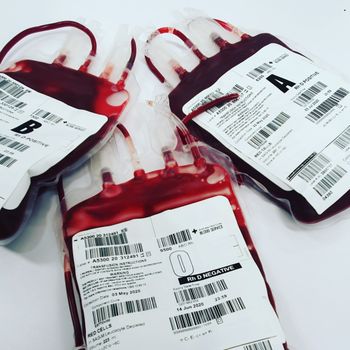
Regular HbA1c Testing
Routine HbA1c blood tests are essential to assess long-term blood sugar control, adding ongoing medical monitoring to everyday life.
-
60
Insulin Pump Therapy
Some individuals wear insulin pumps 24/7, integrating a medical device into daily clothing choices, sleep, travel, and physical activity.
-
70

Medical Alert Identification
Many individuals wear medical alert bracelets or carry identification to inform others of their condition in case of emergencies.
-
Advertisement
-
70

Diabetic Diet Planning
Meal planning often involves structured timing and nutritional balance to maintain stable glucose levels, adding a strategic layer to everyday eating.
-
80

Diabetes Self-Management Education (DSME)
Structured education programs help diabetics learn how to manage diet, exercise, stress, and medication—making health literacy a lifelong priority.
-
80
HbA1c Testing
Regular HbA1c blood tests provide a long-term view of glucose control, making routine medical monitoring a constant part of life.
More Lists You Might Like






Frequently Asked Questions
How is this list ranked?
How does diabetes change a person’s daily routine?
Do all people with diabetes have the same lifestyle restrictions?
Why is blood sugar monitoring so important for diabetics?
Missing something?
Suggest an addition. Submissions are reviewed before appearing on the list.