

8 elements of Patanjali's Yoga
Copy this code to embed the top 10:
8 elements of Patanjali's Yoga distills the timeless framework that defines classical yoga beyond postures and trends. From yoga as a systematic discipline for achieving life’s highest aims to its role as a philosophical school and a rigorous method for mastering mind and body, this list explores the foundations that shape authentic practice. It also highlights core paths such as Jnana, Bhakti, Karma, and Laya Yoga—revealing why yoga is said to be 99% practice and only 1% theory.
Ranked by a passionate community, this list reflects collective insight into what truly defines Patanjali’s vision. Cast your vote, refine the order, and contribute your perspective to keep this living guide both accurate and inspiring.
-
10
Yoga is a systematic discipline to accomplish the goals of life.
justify">The reputed orthodox Hindu schools of Yoga are: Jnana Yoga Bhakti Yoga Karma Yoga Laya Yoga Hatha Yoga Raja Yoga The Hindu schools of Yoga share a common ideology. They all deem Yoga a powerful and sophisticated art of life that is replete with the inherent principles of vital energy and life. The philosophy of Yoga as depicted and conceptualized by Patanjali is an art of life that engulfs the ethical practices of mind and spirit to achieve a free state of existence. Patanjali’s Yoga is also called ‘Astanga Yoga’ or ‘the Yoga of mind control.’ The 8 elements of Patanjali Sutra’s Yoga: Yama: It essentially deals with the principles of ethical etiquette towards others Niyama: It essentially deals with the principles of ethical etiquette towards self. Asanas: It deals with the various Yoga poses that can provide relaxation to body and mind. Pranayama: More often than not, it deals with the breathing exercises that can control the mind. Pratyahara: It is an organized practice of withdrawing one’s attention from the body and its senses. Dharana: It is the supreme practice of attaining supreme concentration. Dhyana: It is ‘Meditation at its best.’ Samadhi: It is the uninterrupted contemplation of reality. Anatomy of Human Body in Yoga Philosophy The complete anatomy of human body in Yoga philosophy comprises: Physical body Astral body Causal body Each of these bodies comprises a sheath that serves the purpose of a structure and a viable framework. The physical body consists of food sheath. The astral body consists of pranic sheath that can control our sensations. In addition, it consists of mental sheath that has the ability to control our thoughts and emotions and intellectual sheath that aids us in effective decision making. Many a time, intellectual sheath is adjudged to be the residence of ego. The causal body consists of bliss sheath that causes bliss and brings umpteen reasons to smile. The celebrated Bhagavad Gita uses the term ‘Yoga’ in a broad perspective. Bhagavad Gita has been instrumental in introducing three prominent types of Yoga: Karma Yoga: It is the Yoga of action. The whole essence of Bhagavad Gita lies in the divine practice of Karma Yoga. Do well and be good. Do the assigned jobs with complete dedication. Leave the results to the destiny. Bhakti Yoga: It is the Yoga of devotion. The whole essence of Bhakti Yoga lies in establishing a sacred bond with God and experience the ecstasy of life. However, practicing this form of Yoga without the guidance of a master or guru can lead to hallucinations. Hence, it is advised to master Bhakti Yoga under the guidance of a guru to experience spiritual truths and obviate hallucinations. Jnana Yoga: It is the Yoga of true knowledge. To experience the supreme state of spiritual consciousness, one must acquire knowledge. The practitioner has to gain immense discrimination ability i.e., the ability to distinguish between reality and virtual environment. The widely acclaimed Bhagavad Gita consists of 18 chapters and 700 verses. Each chapter introduces a new variant of Yoga thus laying a path of 18 Yoga practices for a complete life. Hatha Yoga is the physical dimension of Yoga philosophy. To attain the divine spirit of life, one must cleanse his mind and body. To have a firm grip of emotions and thoughts, it is advised to practice Yoga. It can cure and prevent diseases such as cancer, diabetes etc. The admired Mahabharata defines the purpose of Yoga as the purpose of staying vibrant and realizing human potential for a healthier lifestyle. Mokshadhrama section of 12th chapter of Mahabharata emphasizes on Yoga. It also emphasizes on the sacred practice of meditation to tread the path of ‘moksha.’ To understand the structure and anatomy of human body as per the schools of Yoga, it is essential to comprehend the system of chakras and nadis. As per the renowned schools of Yoga, the human body consists of 7 chakras and 72000 nadis. The three important nadis are ida, pingala and shushuma. Whenever we practice Yoga with absolute concentration, the 7 chakras and the 72000 nadis reach the state of equilibrium and fine-tune our thoughts. A typical Yoga session includes: Asanas Meditation Pranayama Chanting of mantras and verses Relaxation Meditation A few examples of mantras are Soham, Om Namah Shivayah, and Om. Yoga is something more than poses. It is a combination of gentle and vigorous series of asanas that are practiced for the prosperity of human life. Most of the doctors recommend Yoga to obviate the occurrence of diseases such as insomnia, asthma, diabetes, hypertension and migraine. Some of the famous practitioners of Yoga are: Ramakrishna Paramahamsa – Bhakti Yoga Swami Vivekananda - Jnana Yoga Lahiri Mahasaya – Karma Yoga Mother Teresa – Karma Yoga Maha Avatar Babaji – Jnana Yoga Raman Maharshi - Bhakti Yoga BKS Iyengar – Hatha Yoga
-
20
Yoga comprises techniques to control mind and the body.
justify">The reputed orthodox Hindu schools of Yoga are: Jnana Yoga Bhakti Yoga Karma Yoga Laya Yoga Hatha Yoga Raja Yoga The Hindu schools of Yoga share a common ideology. They all deem Yoga a powerful and sophisticated art of life that is replete with the inherent principles of vital energy and life. The philosophy of Yoga as depicted and conceptualized by Patanjali is an art of life that engulfs the ethical practices of mind and spirit to achieve a free state of existence. Patanjali’s Yoga is also called ‘Astanga Yoga’ or ‘the Yoga of mind control.’ The 8 elements of Patanjali Sutra’s Yoga: Yama: It essentially deals with the principles of ethical etiquette towards others Niyama: It essentially deals with the principles of ethical etiquette towards self. Asanas: It deals with the various Yoga poses that can provide relaxation to body and mind. Pranayama: More often than not, it deals with the breathing exercises that can control the mind. Pratyahara: It is an organized practice of withdrawing one’s attention from the body and its senses. Dharana: It is the supreme practice of attaining supreme concentration. Dhyana: It is ‘Meditation at its best.’ Samadhi: It is the uninterrupted contemplation of reality. Anatomy of Human Body in Yoga Philosophy The complete anatomy of human body in Yoga philosophy comprises: Physical body Astral body Causal body Each of these bodies comprises a sheath that serves the purpose of a structure and a viable framework. The physical body consists of food sheath. The astral body consists of pranic sheath that can control our sensations. In addition, it consists of mental sheath that has the ability to control our thoughts and emotions and intellectual sheath that aids us in effective decision making. Many a time, intellectual sheath is adjudged to be the residence of ego. The causal body consists of bliss sheath that causes bliss and brings umpteen reasons to smile. The celebrated Bhagavad Gita uses the term ‘Yoga’ in a broad perspective. Bhagavad Gita has been instrumental in introducing three prominent types of Yoga: Karma Yoga: It is the Yoga of action. The whole essence of Bhagavad Gita lies in the divine practice of Karma Yoga. Do well and be good. Do the assigned jobs with complete dedication. Leave the results to the destiny. Bhakti Yoga: It is the Yoga of devotion. The whole essence of Bhakti Yoga lies in establishing a sacred bond with God and experience the ecstasy of life. However, practicing this form of Yoga without the guidance of a master or guru can lead to hallucinations. Hence, it is advised to master Bhakti Yoga under the guidance of a guru to experience spiritual truths and obviate hallucinations. Jnana Yoga: It is the Yoga of true knowledge. To experience the supreme state of spiritual consciousness, one must acquire knowledge. The practitioner has to gain immense discrimination ability i.e., the ability to distinguish between reality and virtual environment. The widely acclaimed Bhagavad Gita consists of 18 chapters and 700 verses. Each chapter introduces a new variant of Yoga thus laying a path of 18 Yoga practices for a complete life. Hatha Yoga is the physical dimension of Yoga philosophy. To attain the divine spirit of life, one must cleanse his mind and body. To have a firm grip of emotions and thoughts, it is advised to practice Yoga. It can cure and prevent diseases such as cancer, diabetes etc. The admired Mahabharata defines the purpose of Yoga as the purpose of staying vibrant and realizing human potential for a healthier lifestyle. Mokshadhrama section of 12th chapter of Mahabharata emphasizes on Yoga. It also emphasizes on the sacred practice of meditation to tread the path of ‘moksha.’ To understand the structure and anatomy of human body as per the schools of Yoga, it is essential to comprehend the system of chakras and nadis. As per the renowned schools of Yoga, the human body consists of 7 chakras and 72000 nadis. The three important nadis are ida, pingala and shushuma. Whenever we practice Yoga with absolute concentration, the 7 chakras and the 72000 nadis reach the state of equilibrium and fine-tune our thoughts. A typical Yoga session includes: Asanas Meditation Pranayama Chanting of mantras and verses Relaxation Meditation A few examples of mantras are Soham, Om Namah Shivayah, and Om. Yoga is something more than poses. It is a combination of gentle and vigorous series of asanas that are practiced for the prosperity of human life. Most of the doctors recommend Yoga to obviate the occurrence of diseases such as insomnia, asthma, diabetes, hypertension and migraine. Some of the famous practitioners of Yoga are: Ramakrishna Paramahamsa – Bhakti Yoga Swami Vivekananda - Jnana Yoga Lahiri Mahasaya – Karma Yoga Mother Teresa – Karma Yoga Maha Avatar Babaji – Jnana Yoga Raman Maharshi - Bhakti Yoga BKS Iyengar – Hatha Yoga
-
30
Yoga is the name of one of the reputed schools of philosophy.
justify">The reputed orthodox Hindu schools of Yoga are: Jnana Yoga Bhakti Yoga Karma Yoga Laya Yoga Hatha Yoga Raja Yoga The Hindu schools of Yoga share a common ideology. They all deem Yoga a powerful and sophisticated art of life that is replete with the inherent principles of vital energy and life. The philosophy of Yoga as depicted and conceptualized by Patanjali is an art of life that engulfs the ethical practices of mind and spirit to achieve a free state of existence. Patanjali’s Yoga is also called ‘Astanga Yoga’ or ‘the Yoga of mind control.’ The 8 elements of Patanjali Sutra’s Yoga: Yama: It essentially deals with the principles of ethical etiquette towards others Niyama: It essentially deals with the principles of ethical etiquette towards self. Asanas: It deals with the various Yoga poses that can provide relaxation to body and mind. Pranayama: More often than not, it deals with the breathing exercises that can control the mind. Pratyahara: It is an organized practice of withdrawing one’s attention from the body and its senses. Dharana: It is the supreme practice of attaining supreme concentration. Dhyana: It is ‘Meditation at its best.’ Samadhi: It is the uninterrupted contemplation of reality. Anatomy of Human Body in Yoga Philosophy The complete anatomy of human body in Yoga philosophy comprises: Physical body Astral body Causal body Each of these bodies comprises a sheath that serves the purpose of a structure and a viable framework. The physical body consists of food sheath. The astral body consists of pranic sheath that can control our sensations. In addition, it consists of mental sheath that has the ability to control our thoughts and emotions and intellectual sheath that aids us in effective decision making. Many a time, intellectual sheath is adjudged to be the residence of ego. The causal body consists of bliss sheath that causes bliss and brings umpteen reasons to smile. The celebrated Bhagavad Gita uses the term ‘Yoga’ in a broad perspective. Bhagavad Gita has been instrumental in introducing three prominent types of Yoga: Karma Yoga: It is the Yoga of action. The whole essence of Bhagavad Gita lies in the divine practice of Karma Yoga. Do well and be good. Do the assigned jobs with complete dedication. Leave the results to the destiny. Bhakti Yoga: It is the Yoga of devotion. The whole essence of Bhakti Yoga lies in establishing a sacred bond with God and experience the ecstasy of life. However, practicing this form of Yoga without the guidance of a master or guru can lead to hallucinations. Hence, it is advised to master Bhakti Yoga under the guidance of a guru to experience spiritual truths and obviate hallucinations. Jnana Yoga: It is the Yoga of true knowledge. To experience the supreme state of spiritual consciousness, one must acquire knowledge. The practitioner has to gain immense discrimination ability i.e., the ability to distinguish between reality and virtual environment. The widely acclaimed Bhagavad Gita consists of 18 chapters and 700 verses. Each chapter introduces a new variant of Yoga thus laying a path of 18 Yoga practices for a complete life. Hatha Yoga is the physical dimension of Yoga philosophy. To attain the divine spirit of life, one must cleanse his mind and body. To have a firm grip of emotions and thoughts, it is advised to practice Yoga. It can cure and prevent diseases such as cancer, diabetes etc. The admired Mahabharata defines the purpose of Yoga as the purpose of staying vibrant and realizing human potential for a healthier lifestyle. Mokshadhrama section of 12th chapter of Mahabharata emphasizes on Yoga. It also emphasizes on the sacred practice of meditation to tread the path of ‘moksha.’ To understand the structure and anatomy of human body as per the schools of Yoga, it is essential to comprehend the system of chakras and nadis. As per the renowned schools of Yoga, the human body consists of 7 chakras and 72000 nadis. The three important nadis are ida, pingala and shushuma. Whenever we practice Yoga with absolute concentration, the 7 chakras and the 72000 nadis reach the state of equilibrium and fine-tune our thoughts. A typical Yoga session includes: Asanas Meditation Pranayama Chanting of mantras and verses Relaxation Meditation A few examples of mantras are Soham, Om Namah Shivayah, and Om. Yoga is something more than poses. It is a combination of gentle and vigorous series of asanas that are practiced for the prosperity of human life. Most of the doctors recommend Yoga to obviate the occurrence of diseases such as insomnia, asthma, diabetes, hypertension and migraine. Some of the famous practitioners of Yoga are: Ramakrishna Paramahamsa – Bhakti Yoga Swami Vivekananda - Jnana Yoga Lahiri Mahasaya – Karma Yoga Mother Teresa – Karma Yoga Maha Avatar Babaji – Jnana Yoga Raman Maharshi - Bhakti Yoga BKS Iyengar – Hatha Yoga
-
40
Samadhi (State of Enlightenment)
justify">The reputed orthodox Hindu schools of Yoga are: Jnana Yoga Bhakti Yoga Karma Yoga Laya Yoga Hatha Yoga Raja Yoga The Hindu schools of Yoga share a common ideology. They all deem Yoga a powerful and sophisticated art of life that is replete with the inherent principles of vital energy and life. The philosophy of Yoga as depicted and conceptualized by Patanjali is an art of life that engulfs the ethical practices of mind and spirit to achieve a free state of existence. Patanjali’s Yoga is also called ‘Astanga Yoga’ or ‘the Yoga of mind control.’ The 8 elements of Patanjali Sutra’s Yoga: Yama: It essentially deals with the principles of ethical etiquette towards others Niyama: It essentially deals with the principles of ethical etiquette towards self. Asanas: It deals with the various Yoga poses that can provide relaxation to body and mind. Pranayama: More often than not, it deals with the breathing exercises that can control the mind. Pratyahara: It is an organized practice of withdrawing one’s attention from the body and its senses. Dharana: It is the supreme practice of attaining supreme concentration. Dhyana: It is ‘Meditation at its best.’ Samadhi: It is the uninterrupted contemplation of reality. Anatomy of Human Body in Yoga Philosophy The complete anatomy of human body in Yoga philosophy comprises: Physical body Astral body Causal body Each of these bodies comprises a sheath that serves the purpose of a structure and a viable framework. The physical body consists of food sheath. The astral body consists of pranic sheath that can control our sensations. In addition, it consists of mental sheath that has the ability to control our thoughts and emotions and intellectual sheath that aids us in effective decision making. Many a time, intellectual sheath is adjudged to be the residence of ego. The causal body consists of bliss sheath that causes bliss and brings umpteen reasons to smile. The celebrated Bhagavad Gita uses the term ‘Yoga’ in a broad perspective. Bhagavad Gita has been instrumental in introducing three prominent types of Yoga: Karma Yoga: It is the Yoga of action. The whole essence of Bhagavad Gita lies in the divine practice of Karma Yoga. Do well and be good. Do the assigned jobs with complete dedication. Leave the results to the destiny. Bhakti Yoga: It is the Yoga of devotion. The whole essence of Bhakti Yoga lies in establishing a sacred bond with God and experience the ecstasy of life. However, practicing this form of Yoga without the guidance of a master or guru can lead to hallucinations. Hence, it is advised to master Bhakti Yoga under the guidance of a guru to experience spiritual truths and obviate hallucinations. Jnana Yoga: It is the Yoga of true knowledge. To experience the supreme state of spiritual consciousness, one must acquire knowledge. The practitioner has to gain immense discrimination ability i.e., the ability to distinguish between reality and virtual environment. The widely acclaimed Bhagavad Gita consists of 18 chapters and 700 verses. Each chapter introduces a new variant of Yoga thus laying a path of 18 Yoga practices for a complete life. Hatha Yoga is the physical dimension of Yoga philosophy. To attain the divine spirit of life, one must cleanse his mind and body. To have a firm grip of emotions and thoughts, it is advised to practice Yoga. It can cure and prevent diseases such as cancer, diabetes etc. The admired Mahabharata defines the purpose of Yoga as the purpose of staying vibrant and realizing human potential for a healthier lifestyle. Mokshadhrama section of 12th chapter of Mahabharata emphasizes on Yoga. It also emphasizes on the sacred practice of meditation to tread the path of ‘moksha.’ To understand the structure and anatomy of human body as per the schools of Yoga, it is essential to comprehend the system of chakras and nadis. As per the renowned schools of Yoga, the human body consists of 7 chakras and 72000 nadis. The three important nadis are ida, pingala and shushuma. Whenever we practice Yoga with absolute concentration, the 7 chakras and the 72000 nadis reach the state of equilibrium and fine-tune our thoughts. A typical Yoga session includes: Asanas Meditation Pranayama Chanting of mantras and verses Relaxation Meditation A few examples of mantras are Soham, Om Namah Shivayah, and Om. Yoga is something more than poses. It is a combination of gentle and vigorous series of asanas that are practiced for the prosperity of human life. Most of the doctors recommend Yoga to obviate the occurrence of diseases such as insomnia, asthma, diabetes, hypertension and migraine. Some of the famous practitioners of Yoga are: Ramakrishna Paramahamsa – Bhakti Yoga Swami Vivekananda - Jnana Yoga Lahiri Mahasaya – Karma Yoga Mother Teresa – Karma Yoga Maha Avatar Babaji – Jnana Yoga Raman Maharshi - Bhakti Yoga BKS Iyengar – Hatha Yoga
-
50
Yoga is 99% practice, 1% theory
The eventual aim of Yoga is to evince interest about Yoga among the people.
-
Advertisement
-
50
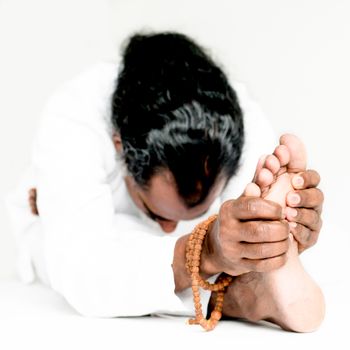
Yoga is 99% practice, 1% theory
The eventual aim of Yoga is to evince interest about Yoga among the people.
-
60
Jnana Yoga
justify">The Hindu schools of Yoga share a common ideology. They all deem Yoga a powerful and sophisticated art of life that is replete with the inherent principles of vital energy and life. The philosophy of Yoga as depicted and conceptualized by Patanjali is an art of life that engulfs the ethical practices of mind and spirit to achieve a free state of existence. Patanjali’s Yoga is also called ‘Astanga Yoga’ or ‘the Yoga of mind control.’ The 8 elements of Patanjali Sutra’s Yoga: Yama: It essentially deals with the principles of ethical etiquette towards others Niyama: It essentially deals with the principles of ethical etiquette towards self. Asanas: It deals with the various Yoga poses that can provide relaxation to body and mind. Pranayama: More often than not, it deals with the breathing exercises that can control the mind. Pratyahara: It is an organized practice of withdrawing one’s attention from the body and its senses. Dharana: It is the supreme practice of attaining supreme concentration. Dhyana: It is ‘Meditation at its best.’ Samadhi: It is the uninterrupted contemplation of reality. Anatomy of Human Body in Yoga Philosophy The complete anatomy of human body in Yoga philosophy comprises: Physical body Astral body Causal body Each of these bodies comprises a sheath that serves the purpose of a structure and a viable framework. The physical body consists of food sheath. The astral body consists of pranic sheath that can control our sensations. In addition, it consists of mental sheath that has the ability to control our thoughts and emotions and intellectual sheath that aids us in effective decision making. Many a time, intellectual sheath is adjudged to be the residence of ego. The causal body consists of bliss sheath that causes bliss and brings umpteen reasons to smile. The celebrated Bhagavad Gita uses the term ‘Yoga’ in a broad perspective. Bhagavad Gita has been instrumental in introducing three prominent types of Yoga: Karma Yoga: It is the Yoga of action. The whole essence of Bhagavad Gita lies in the divine practice of Karma Yoga. Do well and be good. Do the assigned jobs with complete dedication. Leave the results to the destiny. Bhakti Yoga: It is the Yoga of devotion. The whole essence of Bhakti Yoga lies in establishing a sacred bond with God and experience the ecstasy of life. However, practicing this form of Yoga without the guidance of a master or guru can lead to hallucinations. Hence, it is advised to master Bhakti Yoga under the guidance of a guru to experience spiritual truths and obviate hallucinations. Jnana Yoga: It is the Yoga of true knowledge. To experience the supreme state of spiritual consciousness, one must acquire knowledge. The practitioner has to gain immense discrimination ability i.e., the ability to distinguish between reality and virtual environment. The widely acclaimed Bhagavad Gita consists of 18 chapters and 700 verses. Each chapter introduces a new variant of Yoga thus laying a path of 18 Yoga practices for a complete life. Hatha Yoga is the physical dimension of Yoga philosophy. To attain the divine spirit of life, one must cleanse his mind and body. To have a firm grip of emotions and thoughts, it is advised to practice Yoga. It can cure and prevent diseases such as cancer, diabetes etc. The admired Mahabharata defines the purpose of Yoga as the purpose of staying vibrant and realizing human potential for a healthier lifestyle. Mokshadhrama section of 12th chapter of Mahabharata emphasizes on Yoga. It also emphasizes on the sacred practice of meditation to tread the path of ‘moksha.’ To understand the structure and anatomy of human body as per the schools of Yoga, it is essential to comprehend the system of chakras and nadis. As per the renowned schools of Yoga, the human body consists of 7 chakras and 72000 nadis. The three important nadis are ida, pingala and shushuma. Whenever we practice Yoga with absolute concentration, the 7 chakras and the 72000 nadis reach the state of equilibrium and fine-tune our thoughts. A typical Yoga session includes: Asanas Meditation Pranayama Chanting of mantras and verses Relaxation Meditation A few examples of mantras are Soham, Om Namah Shivayah, and Om. Yoga is something more than poses. It is a combination of gentle and vigorous series of asanas that are practiced for the prosperity of human life. Most of the doctors recommend Yoga to obviate the occurrence of diseases such as insomnia, asthma, diabetes, hypertension and migraine. Some of the famous practitioners of Yoga are: Ramakrishna Paramahamsa – Bhakti Yoga Swami Vivekananda - Jnana Yoga Lahiri Mahasaya – Karma Yoga Mother Teresa – Karma Yoga Maha Avatar Babaji – Jnana Yoga Raman Maharshi - Bhakti Yoga BKS Iyengar – Hatha Yoga
-
70
Bhakti Yoga
justify">The Hindu schools of Yoga share a common ideology. They all deem Yoga a powerful and sophisticated art of life that is replete with the inherent principles of vital energy and life. The philosophy of Yoga as depicted and conceptualized by Patanjali is an art of life that engulfs the ethical practices of mind and spirit to achieve a free state of existence. Patanjali’s Yoga is also called ‘Astanga Yoga’ or ‘the Yoga of mind control.’ The 8 elements of Patanjali Sutra’s Yoga: Yama: It essentially deals with the principles of ethical etiquette towards others Niyama: It essentially deals with the principles of ethical etiquette towards self. Asanas: It deals with the various Yoga poses that can provide relaxation to body and mind. Pranayama: More often than not, it deals with the breathing exercises that can control the mind. Pratyahara: It is an organized practice of withdrawing one’s attention from the body and its senses. Dharana: It is the supreme practice of attaining supreme concentration. Dhyana: It is ‘Meditation at its best.’ Samadhi: It is the uninterrupted contemplation of reality. Anatomy of Human Body in Yoga Philosophy The complete anatomy of human body in Yoga philosophy comprises: Physical body Astral body Causal body Each of these bodies comprises a sheath that serves the purpose of a structure and a viable framework. The physical body consists of food sheath. The astral body consists of pranic sheath that can control our sensations. In addition, it consists of mental sheath that has the ability to control our thoughts and emotions and intellectual sheath that aids us in effective decision making. Many a time, intellectual sheath is adjudged to be the residence of ego. The causal body consists of bliss sheath that causes bliss and brings umpteen reasons to smile. The celebrated Bhagavad Gita uses the term ‘Yoga’ in a broad perspective. Bhagavad Gita has been instrumental in introducing three prominent types of Yoga: Karma Yoga: It is the Yoga of action. The whole essence of Bhagavad Gita lies in the divine practice of Karma Yoga. Do well and be good. Do the assigned jobs with complete dedication. Leave the results to the destiny. Bhakti Yoga: It is the Yoga of devotion. The whole essence of Bhakti Yoga lies in establishing a sacred bond with God and experience the ecstasy of life. However, practicing this form of Yoga without the guidance of a master or guru can lead to hallucinations. Hence, it is advised to master Bhakti Yoga under the guidance of a guru to experience spiritual truths and obviate hallucinations. Jnana Yoga: It is the Yoga of true knowledge. To experience the supreme state of spiritual consciousness, one must acquire knowledge. The practitioner has to gain immense discrimination ability i.e., the ability to distinguish between reality and virtual environment. The widely acclaimed Bhagavad Gita consists of 18 chapters and 700 verses. Each chapter introduces a new variant of Yoga thus laying a path of 18 Yoga practices for a complete life. Hatha Yoga is the physical dimension of Yoga philosophy. To attain the divine spirit of life, one must cleanse his mind and body. To have a firm grip of emotions and thoughts, it is advised to practice Yoga. It can cure and prevent diseases such as cancer, diabetes etc. The admired Mahabharata defines the purpose of Yoga as the purpose of staying vibrant and realizing human potential for a healthier lifestyle. Mokshadhrama section of 12th chapter of Mahabharata emphasizes on Yoga. It also emphasizes on the sacred practice of meditation to tread the path of ‘moksha.’ To understand the structure and anatomy of human body as per the schools of Yoga, it is essential to comprehend the system of chakras and nadis. As per the renowned schools of Yoga, the human body consists of 7 chakras and 72000 nadis. The three important nadis are ida, pingala and shushuma. Whenever we practice Yoga with absolute concentration, the 7 chakras and the 72000 nadis reach the state of equilibrium and fine-tune our thoughts. A typical Yoga session includes: Asanas Meditation Pranayama Chanting of mantras and verses Relaxation Meditation A few examples of mantras are Soham, Om Namah Shivayah, and Om. Yoga is something more than poses. It is a combination of gentle and vigorous series of asanas that are practiced for the prosperity of human life. Most of the doctors recommend Yoga to obviate the occurrence of diseases such as insomnia, asthma, diabetes, hypertension and migraine. Some of the famous practitioners of Yoga are: Ramakrishna Paramahamsa – Bhakti Yoga Swami Vivekananda - Jnana Yoga Lahiri Mahasaya – Karma Yoga Mother Teresa – Karma Yoga Maha Avatar Babaji – Jnana Yoga Raman Maharshi - Bhakti Yoga BKS Iyengar – Hatha Yoga
-
80
Karma Yoga
justify">The Hindu schools of Yoga share a common ideology. They all deem Yoga a powerful and sophisticated art of life that is replete with the inherent principles of vital energy and life. The philosophy of Yoga as depicted and conceptualized by Patanjali is an art of life that engulfs the ethical practices of mind and spirit to achieve a free state of existence. Patanjali’s Yoga is also called ‘Astanga Yoga’ or ‘the Yoga of mind control.’ The 8 elements of Patanjali Sutra’s Yoga: Yama: It essentially deals with the principles of ethical etiquette towards others Niyama: It essentially deals with the principles of ethical etiquette towards self. Asanas: It deals with the various Yoga poses that can provide relaxation to body and mind. Pranayama: More often than not, it deals with the breathing exercises that can control the mind. Pratyahara: It is an organized practice of withdrawing one’s attention from the body and its senses. Dharana: It is the supreme practice of attaining supreme concentration. Dhyana: It is ‘Meditation at its best.’ Samadhi: It is the uninterrupted contemplation of reality. Anatomy of Human Body in Yoga Philosophy The complete anatomy of human body in Yoga philosophy comprises: Physical body Astral body Causal body Each of these bodies comprises a sheath that serves the purpose of a structure and a viable framework. The physical body consists of food sheath. The astral body consists of pranic sheath that can control our sensations. In addition, it consists of mental sheath that has the ability to control our thoughts and emotions and intellectual sheath that aids us in effective decision making. Many a time, intellectual sheath is adjudged to be the residence of ego. The causal body consists of bliss sheath that causes bliss and brings umpteen reasons to smile. The celebrated Bhagavad Gita uses the term ‘Yoga’ in a broad perspective. Bhagavad Gita has been instrumental in introducing three prominent types of Yoga: Karma Yoga: It is the Yoga of action. The whole essence of Bhagavad Gita lies in the divine practice of Karma Yoga. Do well and be good. Do the assigned jobs with complete dedication. Leave the results to the destiny. Bhakti Yoga: It is the Yoga of devotion. The whole essence of Bhakti Yoga lies in establishing a sacred bond with God and experience the ecstasy of life. However, practicing this form of Yoga without the guidance of a master or guru can lead to hallucinations. Hence, it is advised to master Bhakti Yoga under the guidance of a guru to experience spiritual truths and obviate hallucinations. Jnana Yoga: It is the Yoga of true knowledge. To experience the supreme state of spiritual consciousness, one must acquire knowledge. The practitioner has to gain immense discrimination ability i.e., the ability to distinguish between reality and virtual environment. The widely acclaimed Bhagavad Gita consists of 18 chapters and 700 verses. Each chapter introduces a new variant of Yoga thus laying a path of 18 Yoga practices for a complete life. Hatha Yoga is the physical dimension of Yoga philosophy. To attain the divine spirit of life, one must cleanse his mind and body. To have a firm grip of emotions and thoughts, it is advised to practice Yoga. It can cure and prevent diseases such as cancer, diabetes etc. The admired Mahabharata defines the purpose of Yoga as the purpose of staying vibrant and realizing human potential for a healthier lifestyle. Mokshadhrama section of 12th chapter of Mahabharata emphasizes on Yoga. It also emphasizes on the sacred practice of meditation to tread the path of ‘moksha.’ To understand the structure and anatomy of human body as per the schools of Yoga, it is essential to comprehend the system of chakras and nadis. As per the renowned schools of Yoga, the human body consists of 7 chakras and 72000 nadis. The three important nadis are ida, pingala and shushuma. Whenever we practice Yoga with absolute concentration, the 7 chakras and the 72000 nadis reach the state of equilibrium and fine-tune our thoughts. A typical Yoga session includes: Asanas Meditation Pranayama Chanting of mantras and verses Relaxation Meditation A few examples of mantras are Soham, Om Namah Shivayah, and Om. Yoga is something more than poses. It is a combination of gentle and vigorous series of asanas that are practiced for the prosperity of human life. Most of the doctors recommend Yoga to obviate the occurrence of diseases such as insomnia, asthma, diabetes, hypertension and migraine. Some of the famous practitioners of Yoga are: Ramakrishna Paramahamsa – Bhakti Yoga Swami Vivekananda - Jnana Yoga Lahiri Mahasaya – Karma Yoga Mother Teresa – Karma Yoga Maha Avatar Babaji – Jnana Yoga Raman Maharshi - Bhakti Yoga BKS Iyengar – Hatha Yoga
-
90
Laya Yoga
justify">The Hindu schools of Yoga share a common ideology. They all deem Yoga a powerful and sophisticated art of life that is replete with the inherent principles of vital energy and life. The philosophy of Yoga as depicted and conceptualized by Patanjali is an art of life that engulfs the ethical practices of mind and spirit to achieve a free state of existence. Patanjali’s Yoga is also called ‘Astanga Yoga’ or ‘the Yoga of mind control.’ The 8 elements of Patanjali Sutra’s Yoga: Yama: It essentially deals with the principles of ethical etiquette towards others Niyama: It essentially deals with the principles of ethical etiquette towards self. Asanas: It deals with the various Yoga poses that can provide relaxation to body and mind. Pranayama: More often than not, it deals with the breathing exercises that can control the mind. Pratyahara: It is an organized practice of withdrawing one’s attention from the body and its senses. Dharana: It is the supreme practice of attaining supreme concentration. Dhyana: It is ‘Meditation at its best.’ Samadhi: It is the uninterrupted contemplation of reality. Anatomy of Human Body in Yoga Philosophy The complete anatomy of human body in Yoga philosophy comprises: Physical body Astral body Causal body Each of these bodies comprises a sheath that serves the purpose of a structure and a viable framework. The physical body consists of food sheath. The astral body consists of pranic sheath that can control our sensations. In addition, it consists of mental sheath that has the ability to control our thoughts and emotions and intellectual sheath that aids us in effective decision making. Many a time, intellectual sheath is adjudged to be the residence of ego. The causal body consists of bliss sheath that causes bliss and brings umpteen reasons to smile. The celebrated Bhagavad Gita uses the term ‘Yoga’ in a broad perspective. Bhagavad Gita has been instrumental in introducing three prominent types of Yoga: Karma Yoga: It is the Yoga of action. The whole essence of Bhagavad Gita lies in the divine practice of Karma Yoga. Do well and be good. Do the assigned jobs with complete dedication. Leave the results to the destiny. Bhakti Yoga: It is the Yoga of devotion. The whole essence of Bhakti Yoga lies in establishing a sacred bond with God and experience the ecstasy of life. However, practicing this form of Yoga without the guidance of a master or guru can lead to hallucinations. Hence, it is advised to master Bhakti Yoga under the guidance of a guru to experience spiritual truths and obviate hallucinations. Jnana Yoga: It is the Yoga of true knowledge. To experience the supreme state of spiritual consciousness, one must acquire knowledge. The practitioner has to gain immense discrimination ability i.e., the ability to distinguish between reality and virtual environment. The widely acclaimed Bhagavad Gita consists of 18 chapters and 700 verses. Each chapter introduces a new variant of Yoga thus laying a path of 18 Yoga practices for a complete life. Hatha Yoga is the physical dimension of Yoga philosophy. To attain the divine spirit of life, one must cleanse his mind and body. To have a firm grip of emotions and thoughts, it is advised to practice Yoga. It can cure and prevent diseases such as cancer, diabetes etc. The admired Mahabharata defines the purpose of Yoga as the purpose of staying vibrant and realizing human potential for a healthier lifestyle. Mokshadhrama section of 12th chapter of Mahabharata emphasizes on Yoga. It also emphasizes on the sacred practice of meditation to tread the path of ‘moksha.’ To understand the structure and anatomy of human body as per the schools of Yoga, it is essential to comprehend the system of chakras and nadis. As per the renowned schools of Yoga, the human body consists of 7 chakras and 72000 nadis. The three important nadis are ida, pingala and shushuma. Whenever we practice Yoga with absolute concentration, the 7 chakras and the 72000 nadis reach the state of equilibrium and fine-tune our thoughts. A typical Yoga session includes: Asanas Meditation Pranayama Chanting of mantras and verses Relaxation Meditation A few examples of mantras are Soham, Om Namah Shivayah, and Om. Yoga is something more than poses. It is a combination of gentle and vigorous series of asanas that are practiced for the prosperity of human life. Most of the doctors recommend Yoga to obviate the occurrence of diseases such as insomnia, asthma, diabetes, hypertension and migraine. Some of the famous practitioners of Yoga are: Ramakrishna Paramahamsa – Bhakti Yoga Swami Vivekananda - Jnana Yoga Lahiri Mahasaya – Karma Yoga Mother Teresa – Karma Yoga Maha Avatar Babaji – Jnana Yoga Raman Maharshi - Bhakti Yoga BKS Iyengar – Hatha Yoga
-
Advertisement
-
100
Hatha Yoga
justify">The Hindu schools of Yoga share a common ideology. They all deem Yoga a powerful and sophisticated art of life that is replete with the inherent principles of vital energy and life. The philosophy of Yoga as depicted and conceptualized by Patanjali is an art of life that engulfs the ethical practices of mind and spirit to achieve a free state of existence. Patanjali’s Yoga is also called ‘Astanga Yoga’ or ‘the Yoga of mind control.’ The 8 elements of Patanjali Sutra’s Yoga: Yama: It essentially deals with the principles of ethical etiquette towards others Niyama: It essentially deals with the principles of ethical etiquette towards self. Asanas: It deals with the various Yoga poses that can provide relaxation to body and mind. Pranayama: More often than not, it deals with the breathing exercises that can control the mind. Pratyahara: It is an organized practice of withdrawing one’s attention from the body and its senses. Dharana: It is the supreme practice of attaining supreme concentration. Dhyana: It is ‘Meditation at its best.’ Samadhi: It is the uninterrupted contemplation of reality. Anatomy of Human Body in Yoga Philosophy The complete anatomy of human body in Yoga philosophy comprises: Physical body Astral body Causal body Each of these bodies comprises a sheath that serves the purpose of a structure and a viable framework. The physical body consists of food sheath. The astral body consists of pranic sheath that can control our sensations. In addition, it consists of mental sheath that has the ability to control our thoughts and emotions and intellectual sheath that aids us in effective decision making. Many a time, intellectual sheath is adjudged to be the residence of ego. The causal body consists of bliss sheath that causes bliss and brings umpteen reasons to smile. The celebrated Bhagavad Gita uses the term ‘Yoga’ in a broad perspective. Bhagavad Gita has been instrumental in introducing three prominent types of Yoga: Karma Yoga: It is the Yoga of action. The whole essence of Bhagavad Gita lies in the divine practice of Karma Yoga. Do well and be good. Do the assigned jobs with complete dedication. Leave the results to the destiny. Bhakti Yoga: It is the Yoga of devotion. The whole essence of Bhakti Yoga lies in establishing a sacred bond with God and experience the ecstasy of life. However, practicing this form of Yoga without the guidance of a master or guru can lead to hallucinations. Hence, it is advised to master Bhakti Yoga under the guidance of a guru to experience spiritual truths and obviate hallucinations. Jnana Yoga: It is the Yoga of true knowledge. To experience the supreme state of spiritual consciousness, one must acquire knowledge. The practitioner has to gain immense discrimination ability i.e., the ability to distinguish between reality and virtual environment. The widely acclaimed Bhagavad Gita consists of 18 chapters and 700 verses. Each chapter introduces a new variant of Yoga thus laying a path of 18 Yoga practices for a complete life. Hatha Yoga is the physical dimension of Yoga philosophy. To attain the divine spirit of life, one must cleanse his mind and body. To have a firm grip of emotions and thoughts, it is advised to practice Yoga. It can cure and prevent diseases such as cancer, diabetes etc. The admired Mahabharata defines the purpose of Yoga as the purpose of staying vibrant and realizing human potential for a healthier lifestyle. Mokshadhrama section of 12th chapter of Mahabharata emphasizes on Yoga. It also emphasizes on the sacred practice of meditation to tread the path of ‘moksha.’ To understand the structure and anatomy of human body as per the schools of Yoga, it is essential to comprehend the system of chakras and nadis. As per the renowned schools of Yoga, the human body consists of 7 chakras and 72000 nadis. The three important nadis are ida, pingala and shushuma. Whenever we practice Yoga with absolute concentration, the 7 chakras and the 72000 nadis reach the state of equilibrium and fine-tune our thoughts. A typical Yoga session includes: Asanas Meditation Pranayama Chanting of mantras and verses Relaxation Meditation A few examples of mantras are Soham, Om Namah Shivayah, and Om. Yoga is something more than poses. It is a combination of gentle and vigorous series of asanas that are practiced for the prosperity of human life. Most of the doctors recommend Yoga to obviate the occurrence of diseases such as insomnia, asthma, diabetes, hypertension and migraine. Some of the famous practitioners of Yoga are: Ramakrishna Paramahamsa – Bhakti Yoga Swami Vivekananda - Jnana Yoga Lahiri Mahasaya – Karma Yoga Mother Teresa – Karma Yoga Maha Avatar Babaji – Jnana Yoga Raman Maharshi - Bhakti Yoga BKS Iyengar – Hatha Yoga
-
110
Raja Yoga
justify">The Hindu schools of Yoga share a common ideology. They all deem Yoga a powerful and sophisticated art of life that is replete with the inherent principles of vital energy and life. The philosophy of Yoga as depicted and conceptualized by Patanjali is an art of life that engulfs the ethical practices of mind and spirit to achieve a free state of existence. Patanjali’s Yoga is also called ‘Astanga Yoga’ or ‘the Yoga of mind control.’ The 8 elements of Patanjali Sutra’s Yoga: Yama: It essentially deals with the principles of ethical etiquette towards others Niyama: It essentially deals with the principles of ethical etiquette towards self. Asanas: It deals with the various Yoga poses that can provide relaxation to body and mind. Pranayama: More often than not, it deals with the breathing exercises that can control the mind. Pratyahara: It is an organized practice of withdrawing one’s attention from the body and its senses. Dharana: It is the supreme practice of attaining supreme concentration. Dhyana: It is ‘Meditation at its best.’ Samadhi: It is the uninterrupted contemplation of reality. Anatomy of Human Body in Yoga Philosophy The complete anatomy of human body in Yoga philosophy comprises: Physical body Astral body Causal body Each of these bodies comprises a sheath that serves the purpose of a structure and a viable framework. The physical body consists of food sheath. The astral body consists of pranic sheath that can control our sensations. In addition, it consists of mental sheath that has the ability to control our thoughts and emotions and intellectual sheath that aids us in effective decision making. Many a time, intellectual sheath is adjudged to be the residence of ego. The causal body consists of bliss sheath that causes bliss and brings umpteen reasons to smile. The celebrated Bhagavad Gita uses the term ‘Yoga’ in a broad perspective. Bhagavad Gita has been instrumental in introducing three prominent types of Yoga: Karma Yoga: It is the Yoga of action. The whole essence of Bhagavad Gita lies in the divine practice of Karma Yoga. Do well and be good. Do the assigned jobs with complete dedication. Leave the results to the destiny. Bhakti Yoga: It is the Yoga of devotion. The whole essence of Bhakti Yoga lies in establishing a sacred bond with God and experience the ecstasy of life. However, practicing this form of Yoga without the guidance of a master or guru can lead to hallucinations. Hence, it is advised to master Bhakti Yoga under the guidance of a guru to experience spiritual truths and obviate hallucinations. Jnana Yoga: It is the Yoga of true knowledge. To experience the supreme state of spiritual consciousness, one must acquire knowledge. The practitioner has to gain immense discrimination ability i.e., the ability to distinguish between reality and virtual environment. The widely acclaimed Bhagavad Gita consists of 18 chapters and 700 verses. Each chapter introduces a new variant of Yoga thus laying a path of 18 Yoga practices for a complete life. Hatha Yoga is the physical dimension of Yoga philosophy. To attain the divine spirit of life, one must cleanse his mind and body. To have a firm grip of emotions and thoughts, it is advised to practice Yoga. It can cure and prevent diseases such as cancer, diabetes etc. The admired Mahabharata defines the purpose of Yoga as the purpose of staying vibrant and realizing human potential for a healthier lifestyle. Mokshadhrama section of 12th chapter of Mahabharata emphasizes on Yoga. It also emphasizes on the sacred practice of meditation to tread the path of ‘moksha.’ To understand the structure and anatomy of human body as per the schools of Yoga, it is essential to comprehend the system of chakras and nadis. As per the renowned schools of Yoga, the human body consists of 7 chakras and 72000 nadis. The three important nadis are ida, pingala and shushuma. Whenever we practice Yoga with absolute concentration, the 7 chakras and the 72000 nadis reach the state of equilibrium and fine-tune our thoughts. A typical Yoga session includes: Asanas Meditation Pranayama Chanting of mantras and verses Relaxation Meditation A few examples of mantras are Soham, Om Namah Shivayah, and Om. Yoga is something more than poses. It is a combination of gentle and vigorous series of asanas that are practiced for the prosperity of human life. Most of the doctors recommend Yoga to obviate the occurrence of diseases such as insomnia, asthma, diabetes, hypertension and migraine. Some of the famous practitioners of Yoga are: Ramakrishna Paramahamsa – Bhakti Yoga Swami Vivekananda - Jnana Yoga Lahiri Mahasaya – Karma Yoga Mother Teresa – Karma Yoga Maha Avatar Babaji – Jnana Yoga Raman Maharshi - Bhakti Yoga BKS Iyengar – Hatha Yoga
-
120
Yama (Ethical Restraints)
It essentially deals with the principles of ethical etiquette towards self. Asanas: It deals with the various Yoga poses that can provide relaxation to body and mind. Pranayama: More often than not, it deals with the breathing exercises that can control the mind. Pratyahara: It is an organized practice of withdrawing one’s attention from the body and its senses. Dharana: It is the supreme practice of attaining supreme concentration. Dhyana: It is ‘Meditation at its best.’ Samadhi: It is the uninterrupted contemplation of reality. Anatomy of Human Body in Yoga Philosophy The complete anatomy of human body in Yoga philosophy comprises: Physical body Astral body Causal body Each of these bodies comprises a sheath that serves the purpose of a structure and a viable framework. The physical body consists of food sheath. The astral body consists of pranic sheath that can control our sensations. In addition, it consists of mental sheath that has the ability to control our thoughts and emotions and intellectual sheath that aids us in effective decision making. Many a time, intellectual sheath is adjudged to be the residence of ego. The causal body consists of bliss sheath that causes bliss and brings umpteen reasons to smile. The celebrated Bhagavad Gita uses the term ‘Yoga’ in a broad perspective. Bhagavad Gita has been instrumental in introducing three prominent types of Yoga: Karma Yoga: It is the Yoga of action. The whole essence of Bhagavad Gita lies in the divine practice of Karma Yoga. Do well and be good. Do the assigned jobs with complete dedication. Leave the results to the destiny. Bhakti Yoga: It is the Yoga of devotion. The whole essence of Bhakti Yoga lies in establishing a sacred bond with God and experience the ecstasy of life. However, practicing this form of Yoga without the guidance of a master or guru can lead to hallucinations. Hence, it is advised to master Bhakti Yoga under the guidance of a guru to experience spiritual truths and obviate hallucinations. Jnana Yoga: It is the Yoga of true knowledge. To experience the supreme state of spiritual consciousness, one must acquire knowledge. The practitioner has to gain immense discrimination ability i.e., the ability to distinguish between reality and virtual environment. The widely acclaimed Bhagavad Gita consists of 18 chapters and 700 verses. Each chapter introduces a new variant of Yoga thus laying a path of 18 Yoga practices for a complete life. Hatha Yoga is the physical dimension of Yoga philosophy. To attain the divine spirit of life, one must cleanse his mind and body. To have a firm grip of emotions and thoughts, it is advised to practice Yoga. It can cure and prevent diseases such as cancer, diabetes etc. The admired Mahabharata defines the purpose of Yoga as the purpose of staying vibrant and realizing human potential for a healthier lifestyle. Mokshadhrama section of 12th chapter of Mahabharata emphasizes on Yoga. It also emphasizes on the sacred practice of meditation to tread the path of ‘moksha.’ To understand the structure and anatomy of human body as per the schools of Yoga, it is essential to comprehend the system of chakras and nadis. As per the renowned schools of Yoga, the human body consists of 7 chakras and 72000 nadis. The three important nadis are ida, pingala and shushuma. Whenever we practice Yoga with absolute concentration, the 7 chakras and the 72000 nadis reach the state of equilibrium and fine-tune our thoughts. A typical Yoga session includes: Asanas Meditation Pranayama Chanting of mantras and verses Relaxation Meditation A few examples of mantras are Soham, Om Namah Shivayah, and Om. Yoga is something more than poses. It is a combination of gentle and vigorous series of asanas that are practiced for the prosperity of human life. Most of the doctors recommend Yoga to obviate the occurrence of diseases such as insomnia, asthma, diabetes, hypertension and migraine. Some of the famous practitioners of Yoga are: Ramakrishna Paramahamsa – Bhakti Yoga Swami Vivekananda - Jnana Yoga Lahiri Mahasaya – Karma Yoga Mother Teresa – Karma Yoga Maha Avatar Babaji – Jnana Yoga Raman Maharshi - Bhakti Yoga BKS Iyengar – Hatha Yoga
-
130
Niyama (Personal Observances)
It deals with the various Yoga poses that can provide relaxation to body and mind. Pranayama: More often than not, it deals with the breathing exercises that can control the mind. Pratyahara: It is an organized practice of withdrawing one’s attention from the body and its senses. Dharana: It is the supreme practice of attaining supreme concentration. Dhyana: It is ‘Meditation at its best.’ Samadhi: It is the uninterrupted contemplation of reality. Anatomy of Human Body in Yoga Philosophy The complete anatomy of human body in Yoga philosophy comprises: Physical body Astral body Causal body Each of these bodies comprises a sheath that serves the purpose of a structure and a viable framework. The physical body consists of food sheath. The astral body consists of pranic sheath that can control our sensations. In addition, it consists of mental sheath that has the ability to control our thoughts and emotions and intellectual sheath that aids us in effective decision making. Many a time, intellectual sheath is adjudged to be the residence of ego. The causal body consists of bliss sheath that causes bliss and brings umpteen reasons to smile. The celebrated Bhagavad Gita uses the term ‘Yoga’ in a broad perspective. Bhagavad Gita has been instrumental in introducing three prominent types of Yoga: Karma Yoga: It is the Yoga of action. The whole essence of Bhagavad Gita lies in the divine practice of Karma Yoga. Do well and be good. Do the assigned jobs with complete dedication. Leave the results to the destiny. Bhakti Yoga: It is the Yoga of devotion. The whole essence of Bhakti Yoga lies in establishing a sacred bond with God and experience the ecstasy of life. However, practicing this form of Yoga without the guidance of a master or guru can lead to hallucinations. Hence, it is advised to master Bhakti Yoga under the guidance of a guru to experience spiritual truths and obviate hallucinations. Jnana Yoga: It is the Yoga of true knowledge. To experience the supreme state of spiritual consciousness, one must acquire knowledge. The practitioner has to gain immense discrimination ability i.e., the ability to distinguish between reality and virtual environment. The widely acclaimed Bhagavad Gita consists of 18 chapters and 700 verses. Each chapter introduces a new variant of Yoga thus laying a path of 18 Yoga practices for a complete life. Hatha Yoga is the physical dimension of Yoga philosophy. To attain the divine spirit of life, one must cleanse his mind and body. To have a firm grip of emotions and thoughts, it is advised to practice Yoga. It can cure and prevent diseases such as cancer, diabetes etc. The admired Mahabharata defines the purpose of Yoga as the purpose of staying vibrant and realizing human potential for a healthier lifestyle. Mokshadhrama section of 12th chapter of Mahabharata emphasizes on Yoga. It also emphasizes on the sacred practice of meditation to tread the path of ‘moksha.’ To understand the structure and anatomy of human body as per the schools of Yoga, it is essential to comprehend the system of chakras and nadis. As per the renowned schools of Yoga, the human body consists of 7 chakras and 72000 nadis. The three important nadis are ida, pingala and shushuma. Whenever we practice Yoga with absolute concentration, the 7 chakras and the 72000 nadis reach the state of equilibrium and fine-tune our thoughts. A typical Yoga session includes: Asanas Meditation Pranayama Chanting of mantras and verses Relaxation Meditation A few examples of mantras are Soham, Om Namah Shivayah, and Om. Yoga is something more than poses. It is a combination of gentle and vigorous series of asanas that are practiced for the prosperity of human life. Most of the doctors recommend Yoga to obviate the occurrence of diseases such as insomnia, asthma, diabetes, hypertension and migraine. Some of the famous practitioners of Yoga are: Ramakrishna Paramahamsa – Bhakti Yoga Swami Vivekananda - Jnana Yoga Lahiri Mahasaya – Karma Yoga Mother Teresa – Karma Yoga Maha Avatar Babaji – Jnana Yoga Raman Maharshi - Bhakti Yoga BKS Iyengar – Hatha Yoga
-
140
Asana (Yoga Postures)
More often than not, it deals with the breathing exercises that can control the mind. Pratyahara: It is an organized practice of withdrawing one’s attention from the body and its senses. Dharana: It is the supreme practice of attaining supreme concentration. Dhyana: It is ‘Meditation at its best.’ Samadhi: It is the uninterrupted contemplation of reality. Anatomy of Human Body in Yoga Philosophy The complete anatomy of human body in Yoga philosophy comprises: Physical body Astral body Causal body Each of these bodies comprises a sheath that serves the purpose of a structure and a viable framework. The physical body consists of food sheath. The astral body consists of pranic sheath that can control our sensations. In addition, it consists of mental sheath that has the ability to control our thoughts and emotions and intellectual sheath that aids us in effective decision making. Many a time, intellectual sheath is adjudged to be the residence of ego. The causal body consists of bliss sheath that causes bliss and brings umpteen reasons to smile. The celebrated Bhagavad Gita uses the term ‘Yoga’ in a broad perspective. Bhagavad Gita has been instrumental in introducing three prominent types of Yoga: Karma Yoga: It is the Yoga of action. The whole essence of Bhagavad Gita lies in the divine practice of Karma Yoga. Do well and be good. Do the assigned jobs with complete dedication. Leave the results to the destiny. Bhakti Yoga: It is the Yoga of devotion. The whole essence of Bhakti Yoga lies in establishing a sacred bond with God and experience the ecstasy of life. However, practicing this form of Yoga without the guidance of a master or guru can lead to hallucinations. Hence, it is advised to master Bhakti Yoga under the guidance of a guru to experience spiritual truths and obviate hallucinations. Jnana Yoga: It is the Yoga of true knowledge. To experience the supreme state of spiritual consciousness, one must acquire knowledge. The practitioner has to gain immense discrimination ability i.e., the ability to distinguish between reality and virtual environment. The widely acclaimed Bhagavad Gita consists of 18 chapters and 700 verses. Each chapter introduces a new variant of Yoga thus laying a path of 18 Yoga practices for a complete life. Hatha Yoga is the physical dimension of Yoga philosophy. To attain the divine spirit of life, one must cleanse his mind and body. To have a firm grip of emotions and thoughts, it is advised to practice Yoga. It can cure and prevent diseases such as cancer, diabetes etc. The admired Mahabharata defines the purpose of Yoga as the purpose of staying vibrant and realizing human potential for a healthier lifestyle. Mokshadhrama section of 12th chapter of Mahabharata emphasizes on Yoga. It also emphasizes on the sacred practice of meditation to tread the path of ‘moksha.’ To understand the structure and anatomy of human body as per the schools of Yoga, it is essential to comprehend the system of chakras and nadis. As per the renowned schools of Yoga, the human body consists of 7 chakras and 72000 nadis. The three important nadis are ida, pingala and shushuma. Whenever we practice Yoga with absolute concentration, the 7 chakras and the 72000 nadis reach the state of equilibrium and fine-tune our thoughts. A typical Yoga session includes: Asanas Meditation Pranayama Chanting of mantras and verses Relaxation Meditation A few examples of mantras are Soham, Om Namah Shivayah, and Om. Yoga is something more than poses. It is a combination of gentle and vigorous series of asanas that are practiced for the prosperity of human life. Most of the doctors recommend Yoga to obviate the occurrence of diseases such as insomnia, asthma, diabetes, hypertension and migraine. Some of the famous practitioners of Yoga are: Ramakrishna Paramahamsa – Bhakti Yoga Swami Vivekananda - Jnana Yoga Lahiri Mahasaya – Karma Yoga Mother Teresa – Karma Yoga Maha Avatar Babaji – Jnana Yoga Raman Maharshi - Bhakti Yoga BKS Iyengar – Hatha Yoga
-
Advertisement
-
150
Pranayama (Breath Control)
It is an organized practice of withdrawing one’s attention from the body and its senses. Dharana: It is the supreme practice of attaining supreme concentration. Dhyana: It is ‘Meditation at its best.’ Samadhi: It is the uninterrupted contemplation of reality. Anatomy of Human Body in Yoga Philosophy The complete anatomy of human body in Yoga philosophy comprises: Physical body Astral body Causal body Each of these bodies comprises a sheath that serves the purpose of a structure and a viable framework. The physical body consists of food sheath. The astral body consists of pranic sheath that can control our sensations. In addition, it consists of mental sheath that has the ability to control our thoughts and emotions and intellectual sheath that aids us in effective decision making. Many a time, intellectual sheath is adjudged to be the residence of ego. The causal body consists of bliss sheath that causes bliss and brings umpteen reasons to smile. The celebrated Bhagavad Gita uses the term ‘Yoga’ in a broad perspective. Bhagavad Gita has been instrumental in introducing three prominent types of Yoga: Karma Yoga: It is the Yoga of action. The whole essence of Bhagavad Gita lies in the divine practice of Karma Yoga. Do well and be good. Do the assigned jobs with complete dedication. Leave the results to the destiny. Bhakti Yoga: It is the Yoga of devotion. The whole essence of Bhakti Yoga lies in establishing a sacred bond with God and experience the ecstasy of life. However, practicing this form of Yoga without the guidance of a master or guru can lead to hallucinations. Hence, it is advised to master Bhakti Yoga under the guidance of a guru to experience spiritual truths and obviate hallucinations. Jnana Yoga: It is the Yoga of true knowledge. To experience the supreme state of spiritual consciousness, one must acquire knowledge. The practitioner has to gain immense discrimination ability i.e., the ability to distinguish between reality and virtual environment. The widely acclaimed Bhagavad Gita consists of 18 chapters and 700 verses. Each chapter introduces a new variant of Yoga thus laying a path of 18 Yoga practices for a complete life. Hatha Yoga is the physical dimension of Yoga philosophy. To attain the divine spirit of life, one must cleanse his mind and body. To have a firm grip of emotions and thoughts, it is advised to practice Yoga. It can cure and prevent diseases such as cancer, diabetes etc. The admired Mahabharata defines the purpose of Yoga as the purpose of staying vibrant and realizing human potential for a healthier lifestyle. Mokshadhrama section of 12th chapter of Mahabharata emphasizes on Yoga. It also emphasizes on the sacred practice of meditation to tread the path of ‘moksha.’ To understand the structure and anatomy of human body as per the schools of Yoga, it is essential to comprehend the system of chakras and nadis. As per the renowned schools of Yoga, the human body consists of 7 chakras and 72000 nadis. The three important nadis are ida, pingala and shushuma. Whenever we practice Yoga with absolute concentration, the 7 chakras and the 72000 nadis reach the state of equilibrium and fine-tune our thoughts. A typical Yoga session includes: Asanas Meditation Pranayama Chanting of mantras and verses Relaxation Meditation A few examples of mantras are Soham, Om Namah Shivayah, and Om. Yoga is something more than poses. It is a combination of gentle and vigorous series of asanas that are practiced for the prosperity of human life. Most of the doctors recommend Yoga to obviate the occurrence of diseases such as insomnia, asthma, diabetes, hypertension and migraine. Some of the famous practitioners of Yoga are: Ramakrishna Paramahamsa – Bhakti Yoga Swami Vivekananda - Jnana Yoga Lahiri Mahasaya – Karma Yoga Mother Teresa – Karma Yoga Maha Avatar Babaji – Jnana Yoga Raman Maharshi - Bhakti Yoga BKS Iyengar – Hatha Yoga
-
160
Pratyahara (Sense Withdrawal)
It is the supreme practice of attaining supreme concentration. Dhyana: It is ‘Meditation at its best.’ Samadhi: It is the uninterrupted contemplation of reality. Anatomy of Human Body in Yoga Philosophy The complete anatomy of human body in Yoga philosophy comprises: Physical body Astral body Causal body Each of these bodies comprises a sheath that serves the purpose of a structure and a viable framework. The physical body consists of food sheath. The astral body consists of pranic sheath that can control our sensations. In addition, it consists of mental sheath that has the ability to control our thoughts and emotions and intellectual sheath that aids us in effective decision making. Many a time, intellectual sheath is adjudged to be the residence of ego. The causal body consists of bliss sheath that causes bliss and brings umpteen reasons to smile. The celebrated Bhagavad Gita uses the term ‘Yoga’ in a broad perspective. Bhagavad Gita has been instrumental in introducing three prominent types of Yoga: Karma Yoga: It is the Yoga of action. The whole essence of Bhagavad Gita lies in the divine practice of Karma Yoga. Do well and be good. Do the assigned jobs with complete dedication. Leave the results to the destiny. Bhakti Yoga: It is the Yoga of devotion. The whole essence of Bhakti Yoga lies in establishing a sacred bond with God and experience the ecstasy of life. However, practicing this form of Yoga without the guidance of a master or guru can lead to hallucinations. Hence, it is advised to master Bhakti Yoga under the guidance of a guru to experience spiritual truths and obviate hallucinations. Jnana Yoga: It is the Yoga of true knowledge. To experience the supreme state of spiritual consciousness, one must acquire knowledge. The practitioner has to gain immense discrimination ability i.e., the ability to distinguish between reality and virtual environment. The widely acclaimed Bhagavad Gita consists of 18 chapters and 700 verses. Each chapter introduces a new variant of Yoga thus laying a path of 18 Yoga practices for a complete life. Hatha Yoga is the physical dimension of Yoga philosophy. To attain the divine spirit of life, one must cleanse his mind and body. To have a firm grip of emotions and thoughts, it is advised to practice Yoga. It can cure and prevent diseases such as cancer, diabetes etc. The admired Mahabharata defines the purpose of Yoga as the purpose of staying vibrant and realizing human potential for a healthier lifestyle. Mokshadhrama section of 12th chapter of Mahabharata emphasizes on Yoga. It also emphasizes on the sacred practice of meditation to tread the path of ‘moksha.’ To understand the structure and anatomy of human body as per the schools of Yoga, it is essential to comprehend the system of chakras and nadis. As per the renowned schools of Yoga, the human body consists of 7 chakras and 72000 nadis. The three important nadis are ida, pingala and shushuma. Whenever we practice Yoga with absolute concentration, the 7 chakras and the 72000 nadis reach the state of equilibrium and fine-tune our thoughts. A typical Yoga session includes: Asanas Meditation Pranayama Chanting of mantras and verses Relaxation Meditation A few examples of mantras are Soham, Om Namah Shivayah, and Om. Yoga is something more than poses. It is a combination of gentle and vigorous series of asanas that are practiced for the prosperity of human life. Most of the doctors recommend Yoga to obviate the occurrence of diseases such as insomnia, asthma, diabetes, hypertension and migraine. Some of the famous practitioners of Yoga are: Ramakrishna Paramahamsa – Bhakti Yoga Swami Vivekananda - Jnana Yoga Lahiri Mahasaya – Karma Yoga Mother Teresa – Karma Yoga Maha Avatar Babaji – Jnana Yoga Raman Maharshi - Bhakti Yoga BKS Iyengar – Hatha Yoga
-
170
Dharana: It is the supreme practice of attaining supreme concentration.
It is ‘Meditation at its best.’ Samadhi: It is the uninterrupted contemplation of reality. Anatomy of Human Body in Yoga Philosophy The complete anatomy of human body in Yoga philosophy comprises: Physical body Astral body Causal body Each of these bodies comprises a sheath that serves the purpose of a structure and a viable framework. The physical body consists of food sheath. The astral body consists of pranic sheath that can control our sensations. In addition, it consists of mental sheath that has the ability to control our thoughts and emotions and intellectual sheath that aids us in effective decision making. Many a time, intellectual sheath is adjudged to be the residence of ego. The causal body consists of bliss sheath that causes bliss and brings umpteen reasons to smile. The celebrated Bhagavad Gita uses the term ‘Yoga’ in a broad perspective. Bhagavad Gita has been instrumental in introducing three prominent types of Yoga: Karma Yoga: It is the Yoga of action. The whole essence of Bhagavad Gita lies in the divine practice of Karma Yoga. Do well and be good. Do the assigned jobs with complete dedication. Leave the results to the destiny. Bhakti Yoga: It is the Yoga of devotion. The whole essence of Bhakti Yoga lies in establishing a sacred bond with God and experience the ecstasy of life. However, practicing this form of Yoga without the guidance of a master or guru can lead to hallucinations. Hence, it is advised to master Bhakti Yoga under the guidance of a guru to experience spiritual truths and obviate hallucinations. Jnana Yoga: It is the Yoga of true knowledge. To experience the supreme state of spiritual consciousness, one must acquire knowledge. The practitioner has to gain immense discrimination ability i.e., the ability to distinguish between reality and virtual environment. The widely acclaimed Bhagavad Gita consists of 18 chapters and 700 verses. Each chapter introduces a new variant of Yoga thus laying a path of 18 Yoga practices for a complete life. Hatha Yoga is the physical dimension of Yoga philosophy. To attain the divine spirit of life, one must cleanse his mind and body. To have a firm grip of emotions and thoughts, it is advised to practice Yoga. It can cure and prevent diseases such as cancer, diabetes etc. The admired Mahabharata defines the purpose of Yoga as the purpose of staying vibrant and realizing human potential for a healthier lifestyle. Mokshadhrama section of 12th chapter of Mahabharata emphasizes on Yoga. It also emphasizes on the sacred practice of meditation to tread the path of ‘moksha.’ To understand the structure and anatomy of human body as per the schools of Yoga, it is essential to comprehend the system of chakras and nadis. As per the renowned schools of Yoga, the human body consists of 7 chakras and 72000 nadis. The three important nadis are ida, pingala and shushuma. Whenever we practice Yoga with absolute concentration, the 7 chakras and the 72000 nadis reach the state of equilibrium and fine-tune our thoughts. A typical Yoga session includes: Asanas Meditation Pranayama Chanting of mantras and verses Relaxation Meditation A few examples of mantras are Soham, Om Namah Shivayah, and Om. Yoga is something more than poses. It is a combination of gentle and vigorous series of asanas that are practiced for the prosperity of human life. Most of the doctors recommend Yoga to obviate the occurrence of diseases such as insomnia, asthma, diabetes, hypertension and migraine. Some of the famous practitioners of Yoga are: Ramakrishna Paramahamsa – Bhakti Yoga Swami Vivekananda - Jnana Yoga Lahiri Mahasaya – Karma Yoga Mother Teresa – Karma Yoga Maha Avatar Babaji – Jnana Yoga Raman Maharshi - Bhakti Yoga BKS Iyengar – Hatha Yoga
-
180
Dhyana: It is ‘Meditation at its best.’
It is the uninterrupted contemplation of reality. Anatomy of Human Body in Yoga Philosophy The complete anatomy of human body in Yoga philosophy comprises: Physical body Astral body Causal body Each of these bodies comprises a sheath that serves the purpose of a structure and a viable framework. The physical body consists of food sheath. The astral body consists of pranic sheath that can control our sensations. In addition, it consists of mental sheath that has the ability to control our thoughts and emotions and intellectual sheath that aids us in effective decision making. Many a time, intellectual sheath is adjudged to be the residence of ego. The causal body consists of bliss sheath that causes bliss and brings umpteen reasons to smile. The celebrated Bhagavad Gita uses the term ‘Yoga’ in a broad perspective. Bhagavad Gita has been instrumental in introducing three prominent types of Yoga: Karma Yoga: It is the Yoga of action. The whole essence of Bhagavad Gita lies in the divine practice of Karma Yoga. Do well and be good. Do the assigned jobs with complete dedication. Leave the results to the destiny. Bhakti Yoga: It is the Yoga of devotion. The whole essence of Bhakti Yoga lies in establishing a sacred bond with God and experience the ecstasy of life. However, practicing this form of Yoga without the guidance of a master or guru can lead to hallucinations. Hence, it is advised to master Bhakti Yoga under the guidance of a guru to experience spiritual truths and obviate hallucinations. Jnana Yoga: It is the Yoga of true knowledge. To experience the supreme state of spiritual consciousness, one must acquire knowledge. The practitioner has to gain immense discrimination ability i.e., the ability to distinguish between reality and virtual environment. The widely acclaimed Bhagavad Gita consists of 18 chapters and 700 verses. Each chapter introduces a new variant of Yoga thus laying a path of 18 Yoga practices for a complete life. Hatha Yoga is the physical dimension of Yoga philosophy. To attain the divine spirit of life, one must cleanse his mind and body. To have a firm grip of emotions and thoughts, it is advised to practice Yoga. It can cure and prevent diseases such as cancer, diabetes etc. The admired Mahabharata defines the purpose of Yoga as the purpose of staying vibrant and realizing human potential for a healthier lifestyle. Mokshadhrama section of 12th chapter of Mahabharata emphasizes on Yoga. It also emphasizes on the sacred practice of meditation to tread the path of ‘moksha.’ To understand the structure and anatomy of human body as per the schools of Yoga, it is essential to comprehend the system of chakras and nadis. As per the renowned schools of Yoga, the human body consists of 7 chakras and 72000 nadis. The three important nadis are ida, pingala and shushuma. Whenever we practice Yoga with absolute concentration, the 7 chakras and the 72000 nadis reach the state of equilibrium and fine-tune our thoughts. A typical Yoga session includes: Asanas Meditation Pranayama Chanting of mantras and verses Relaxation Meditation A few examples of mantras are Soham, Om Namah Shivayah, and Om. Yoga is something more than poses. It is a combination of gentle and vigorous series of asanas that are practiced for the prosperity of human life. Most of the doctors recommend Yoga to obviate the occurrence of diseases such as insomnia, asthma, diabetes, hypertension and migraine. Some of the famous practitioners of Yoga are: Ramakrishna Paramahamsa – Bhakti Yoga Swami Vivekananda - Jnana Yoga Lahiri Mahasaya – Karma Yoga Mother Teresa – Karma Yoga Maha Avatar Babaji – Jnana Yoga Raman Maharshi - Bhakti Yoga BKS Iyengar – Hatha Yoga
-
190
Samadhi: It is the uninterrupted contemplation of reality.
justify">Anatomy of Human Body in Yoga Philosophy The complete anatomy of human body in Yoga philosophy comprises: Physical body Astral body Causal body Each of these bodies comprises a sheath that serves the purpose of a structure and a viable framework. The physical body consists of food sheath. The astral body consists of pranic sheath that can control our sensations. In addition, it consists of mental sheath that has the ability to control our thoughts and emotions and intellectual sheath that aids us in effective decision making. Many a time, intellectual sheath is adjudged to be the residence of ego. The causal body consists of bliss sheath that causes bliss and brings umpteen reasons to smile. The celebrated Bhagavad Gita uses the term ‘Yoga’ in a broad perspective. Bhagavad Gita has been instrumental in introducing three prominent types of Yoga: Karma Yoga: It is the Yoga of action. The whole essence of Bhagavad Gita lies in the divine practice of Karma Yoga. Do well and be good. Do the assigned jobs with complete dedication. Leave the results to the destiny. Bhakti Yoga: It is the Yoga of devotion. The whole essence of Bhakti Yoga lies in establishing a sacred bond with God and experience the ecstasy of life. However, practicing this form of Yoga without the guidance of a master or guru can lead to hallucinations. Hence, it is advised to master Bhakti Yoga under the guidance of a guru to experience spiritual truths and obviate hallucinations. Jnana Yoga: It is the Yoga of true knowledge. To experience the supreme state of spiritual consciousness, one must acquire knowledge. The practitioner has to gain immense discrimination ability i.e., the ability to distinguish between reality and virtual environment. The widely acclaimed Bhagavad Gita consists of 18 chapters and 700 verses. Each chapter introduces a new variant of Yoga thus laying a path of 18 Yoga practices for a complete life. Hatha Yoga is the physical dimension of Yoga philosophy. To attain the divine spirit of life, one must cleanse his mind and body. To have a firm grip of emotions and thoughts, it is advised to practice Yoga. It can cure and prevent diseases such as cancer, diabetes etc. The admired Mahabharata defines the purpose of Yoga as the purpose of staying vibrant and realizing human potential for a healthier lifestyle. Mokshadhrama section of 12th chapter of Mahabharata emphasizes on Yoga. It also emphasizes on the sacred practice of meditation to tread the path of ‘moksha.’ To understand the structure and anatomy of human body as per the schools of Yoga, it is essential to comprehend the system of chakras and nadis. As per the renowned schools of Yoga, the human body consists of 7 chakras and 72000 nadis. The three important nadis are ida, pingala and shushuma. Whenever we practice Yoga with absolute concentration, the 7 chakras and the 72000 nadis reach the state of equilibrium and fine-tune our thoughts. A typical Yoga session includes: Asanas Meditation Pranayama Chanting of mantras and verses Relaxation Meditation A few examples of mantras are Soham, Om Namah Shivayah, and Om. Yoga is something more than poses. It is a combination of gentle and vigorous series of asanas that are practiced for the prosperity of human life. Most of the doctors recommend Yoga to obviate the occurrence of diseases such as insomnia, asthma, diabetes, hypertension and migraine. Some of the famous practitioners of Yoga are: Ramakrishna Paramahamsa – Bhakti Yoga Swami Vivekananda - Jnana Yoga Lahiri Mahasaya – Karma Yoga Mother Teresa – Karma Yoga Maha Avatar Babaji – Jnana Yoga Raman Maharshi - Bhakti Yoga BKS Iyengar – Hatha Yoga
-
Advertisement
-
200
Physical body
justify">Each of these bodies comprises a sheath that serves the purpose of a structure and a viable framework. The physical body consists of food sheath. The astral body consists of pranic sheath that can control our sensations. In addition, it consists of mental sheath that has the ability to control our thoughts and emotions and intellectual sheath that aids us in effective decision making. Many a time, intellectual sheath is adjudged to be the residence of ego. The causal body consists of bliss sheath that causes bliss and brings umpteen reasons to smile. The celebrated Bhagavad Gita uses the term ‘Yoga’ in a broad perspective. Bhagavad Gita has been instrumental in introducing three prominent types of Yoga: Karma Yoga: It is the Yoga of action. The whole essence of Bhagavad Gita lies in the divine practice of Karma Yoga. Do well and be good. Do the assigned jobs with complete dedication. Leave the results to the destiny. Bhakti Yoga: It is the Yoga of devotion. The whole essence of Bhakti Yoga lies in establishing a sacred bond with God and experience the ecstasy of life. However, practicing this form of Yoga without the guidance of a master or guru can lead to hallucinations. Hence, it is advised to master Bhakti Yoga under the guidance of a guru to experience spiritual truths and obviate hallucinations. Jnana Yoga: It is the Yoga of true knowledge. To experience the supreme state of spiritual consciousness, one must acquire knowledge. The practitioner has to gain immense discrimination ability i.e., the ability to distinguish between reality and virtual environment. The widely acclaimed Bhagavad Gita consists of 18 chapters and 700 verses. Each chapter introduces a new variant of Yoga thus laying a path of 18 Yoga practices for a complete life. Hatha Yoga is the physical dimension of Yoga philosophy. To attain the divine spirit of life, one must cleanse his mind and body. To have a firm grip of emotions and thoughts, it is advised to practice Yoga. It can cure and prevent diseases such as cancer, diabetes etc. The admired Mahabharata defines the purpose of Yoga as the purpose of staying vibrant and realizing human potential for a healthier lifestyle. Mokshadhrama section of 12th chapter of Mahabharata emphasizes on Yoga. It also emphasizes on the sacred practice of meditation to tread the path of ‘moksha.’ To understand the structure and anatomy of human body as per the schools of Yoga, it is essential to comprehend the system of chakras and nadis. As per the renowned schools of Yoga, the human body consists of 7 chakras and 72000 nadis. The three important nadis are ida, pingala and shushuma. Whenever we practice Yoga with absolute concentration, the 7 chakras and the 72000 nadis reach the state of equilibrium and fine-tune our thoughts. A typical Yoga session includes: Asanas Meditation Pranayama Chanting of mantras and verses Relaxation Meditation A few examples of mantras are Soham, Om Namah Shivayah, and Om. Yoga is something more than poses. It is a combination of gentle and vigorous series of asanas that are practiced for the prosperity of human life. Most of the doctors recommend Yoga to obviate the occurrence of diseases such as insomnia, asthma, diabetes, hypertension and migraine. Some of the famous practitioners of Yoga are: Ramakrishna Paramahamsa – Bhakti Yoga Swami Vivekananda - Jnana Yoga Lahiri Mahasaya – Karma Yoga Mother Teresa – Karma Yoga Maha Avatar Babaji – Jnana Yoga Raman Maharshi - Bhakti Yoga BKS Iyengar – Hatha Yoga
-
210
Astral body
justify">Each of these bodies comprises a sheath that serves the purpose of a structure and a viable framework. The physical body consists of food sheath. The astral body consists of pranic sheath that can control our sensations. In addition, it consists of mental sheath that has the ability to control our thoughts and emotions and intellectual sheath that aids us in effective decision making. Many a time, intellectual sheath is adjudged to be the residence of ego. The causal body consists of bliss sheath that causes bliss and brings umpteen reasons to smile. The celebrated Bhagavad Gita uses the term ‘Yoga’ in a broad perspective. Bhagavad Gita has been instrumental in introducing three prominent types of Yoga: Karma Yoga: It is the Yoga of action. The whole essence of Bhagavad Gita lies in the divine practice of Karma Yoga. Do well and be good. Do the assigned jobs with complete dedication. Leave the results to the destiny. Bhakti Yoga: It is the Yoga of devotion. The whole essence of Bhakti Yoga lies in establishing a sacred bond with God and experience the ecstasy of life. However, practicing this form of Yoga without the guidance of a master or guru can lead to hallucinations. Hence, it is advised to master Bhakti Yoga under the guidance of a guru to experience spiritual truths and obviate hallucinations. Jnana Yoga: It is the Yoga of true knowledge. To experience the supreme state of spiritual consciousness, one must acquire knowledge. The practitioner has to gain immense discrimination ability i.e., the ability to distinguish between reality and virtual environment. The widely acclaimed Bhagavad Gita consists of 18 chapters and 700 verses. Each chapter introduces a new variant of Yoga thus laying a path of 18 Yoga practices for a complete life. Hatha Yoga is the physical dimension of Yoga philosophy. To attain the divine spirit of life, one must cleanse his mind and body. To have a firm grip of emotions and thoughts, it is advised to practice Yoga. It can cure and prevent diseases such as cancer, diabetes etc. The admired Mahabharata defines the purpose of Yoga as the purpose of staying vibrant and realizing human potential for a healthier lifestyle. Mokshadhrama section of 12th chapter of Mahabharata emphasizes on Yoga. It also emphasizes on the sacred practice of meditation to tread the path of ‘moksha.’ To understand the structure and anatomy of human body as per the schools of Yoga, it is essential to comprehend the system of chakras and nadis. As per the renowned schools of Yoga, the human body consists of 7 chakras and 72000 nadis. The three important nadis are ida, pingala and shushuma. Whenever we practice Yoga with absolute concentration, the 7 chakras and the 72000 nadis reach the state of equilibrium and fine-tune our thoughts. A typical Yoga session includes: Asanas Meditation Pranayama Chanting of mantras and verses Relaxation Meditation A few examples of mantras are Soham, Om Namah Shivayah, and Om. Yoga is something more than poses. It is a combination of gentle and vigorous series of asanas that are practiced for the prosperity of human life. Most of the doctors recommend Yoga to obviate the occurrence of diseases such as insomnia, asthma, diabetes, hypertension and migraine. Some of the famous practitioners of Yoga are: Ramakrishna Paramahamsa – Bhakti Yoga Swami Vivekananda - Jnana Yoga Lahiri Mahasaya – Karma Yoga Mother Teresa – Karma Yoga Maha Avatar Babaji – Jnana Yoga Raman Maharshi - Bhakti Yoga BKS Iyengar – Hatha Yoga
-
220
Causal body
The whole essence of Bhagavad Gita lies in the divine practice of Karma Yoga. Do well and be good. Do the assigned jobs with complete dedication. Leave the results to the destiny.
-
230
Karma Yoga
The whole essence of Bhakti Yoga lies in establishing a sacred bond with God and experience the ecstasy of life. However, practicing this form of Yoga without the guidance of a master or guru can lead to hallucinations. Hence, it is advised to master Bhakti Yoga under the guidance of a guru to experience spiritual truths and obviate hallucinations.
-
230

Karma Yoga: It is the Yoga of action
The whole essence of Bhagavad Gita lies in the divine practice of Karma Yoga. Do well and be good. Do the assigned jobs with complete dedication. Leave the results to the destiny.
Also ranked in
More Lists You Might Like






Frequently Asked Questions
What are the 8 elements of Patanjali's Yoga?
How do the 8 limbs of yoga differ from modern yoga practice?
Are Jnana Yoga and Bhakti Yoga part of Patanjali’s 8 elements?
How is the ranking of the 8 elements determined on this list?
Missing something?
Suggest an addition. Submissions are reviewed before appearing on the list.