

15 Startups Whose Bold Ideas Are Defining the 2020s Economy
Copy this code to embed the top 10:
The 2020s have accelerated technological change at a pace few industries expected. From generative AI and reusable rockets to climate tech and fintech infrastructure, these startups have introduced products and business models that are reshaping how people work, travel, shop, and build companies.
-
10

OpenAI
OpenAI turned generative AI into a mainstream technology with ChatGPT and GPT-based tools that rapidly changed software development, education, marketing, and enterprise workflows. Its partnership with Microsoft also accelerated the race to integrate AI into everyday productivity tools.
-
20

SpaceX
Although founded earlier, SpaceX became one of the defining innovation companies of the decade through Starlink and reusable rocket launches at unprecedented scale. Its ability to lower launch costs and expand satellite internet access has altered both aerospace economics and global connectivity.
-
30

Stripe
Stripe simplified online payments for startups and large enterprises alike, becoming critical infrastructure for internet businesses. The company expanded far beyond payments into billing, financial services, fraud prevention, and embedded finance tools.
-
40

ByteDance
ByteDance transformed digital media consumption through TikTok’s recommendation engine, which changed how content spreads online. Its AI-driven approach influenced social media strategy across nearly every major platform.
-
50

Databricks
Databricks became central to the modern AI and analytics boom by helping organizations manage massive datasets and machine learning workflows. Its lakehouse architecture helped bridge the gap between data engineering and business intelligence.
-
Advertisement
-
60

Canva
Canva democratized graphic design by making professional-looking visual content accessible to non-designers. Its collaborative tools became especially important for remote teams, educators, and small businesses during the decade.
-
70

Notion
Notion reimagined workplace organization with a flexible platform combining notes, databases, wikis, and project management. Its modular approach helped define the modern all-in-one productivity software trend.
-
80

Figma
Figma changed digital product design by moving collaborative workflows entirely into the browser. The company’s real-time multiplayer editing model became a benchmark for creative software collaboration.
-
90

Rivian
Rivian brought fresh competition to the electric vehicle market with premium electric trucks and delivery vans. Its large commercial partnership with Amazon highlighted how EV startups could influence logistics and fleet transportation.
-
100

Anthropic
Anthropic emerged as a major force in AI safety and large language model development with its Claude AI systems. The company pushed conversations around responsible AI deployment while competing directly with the biggest names in the field.
-
Advertisement
-
110

Anduril Industries
Anduril modernized defense technology with AI-powered surveillance systems, autonomous platforms, and software-first military tools. The startup helped reshape how governments think about defense procurement and advanced security systems.
-
120

Northvolt
Northvolt became a leading European battery startup focused on sustainable battery production for electric vehicles and energy storage. Its manufacturing ambitions reflected the growing importance of localized clean-energy supply chains.
-
130

Chime
Chime helped popularize mobile-first banking by offering low-fee financial services designed around smartphone users. Its rapid growth highlighted consumer demand for simpler, more transparent fintech experiences.
-
140
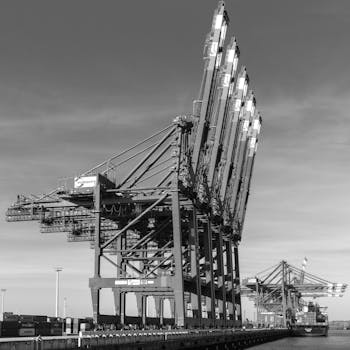
Flexport
Flexport digitized freight forwarding and supply chain management with software-driven logistics tools. During periods of global shipping disruption, its visibility and analytics capabilities became especially valuable to businesses.
-
150
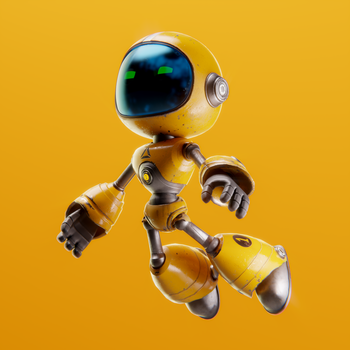
Mistral AI
Mistral AI quickly became one of Europe’s most closely watched AI startups by developing high-performance open-weight language models. The company demonstrated that serious AI competition could emerge outside Silicon Valley’s largest firms.
Also ranked in
- 15 Game-Changing Startups That Defined Innovation in the 2020s 11 shared
- 12 Boundary-Breaking Startups That Reimagined Entire Industries in the 2020s 10 shared
- 13 Startups That Reimagined Entire Industries Through Relentless Innovation 10 shared
- 12 Startups Whose Technology Changed How the World Works 9 shared
- 15 Startups That Quietly Rebuilt Everyday Life Through Innovation 9 shared
More Lists You Might Like




Frequently Asked Questions
What makes a startup truly innovative?
Why are AI startups dominating conversations in the 2020s?
Are all of these companies still privately owned startups?
Which industries saw the biggest startup disruption during the decade?
How do startups influence larger corporations?
Missing something?
Suggest an addition. Submissions are reviewed before appearing on the list.